
The Brief
California Attorney General Rob Bonta has charged 14 individuals in a massive tax evasion scheme involving over $20 million in luxury vehicles registered through the “Montana Loophole.”
State investigators identified nearly 500 dealerships—including high-end Bay Area and Southern California stores—involved in 2,500 suspicious sales intended to dodge California’s 7.25%+ sales tax.
While 601 vehicles have been identified as fraudulent so far, authorities estimate the state loses over $10 million annually, suggesting hundreds of additional owners may soon face audits.
LOS ANGELES – California has launched an aggressive criminal and civil crackdown on wealthy residents and dealerships using out-of-state “shell companies” to evade millions in vehicle sales taxes.
The state’s Tax Recovery in the Underground Economy (TRUE) task force is identifying thousands of suspicious registrations, triggering a massive wave of enforcement against fraudulent out-of-state vehicle titling.
What we know
On March 6, the California Department of Tax and Fee Administration (CDTFA) and the DMV announced a major enforcement action against owners and dealers using Montana-based LLCs to register cars in the Golden State.
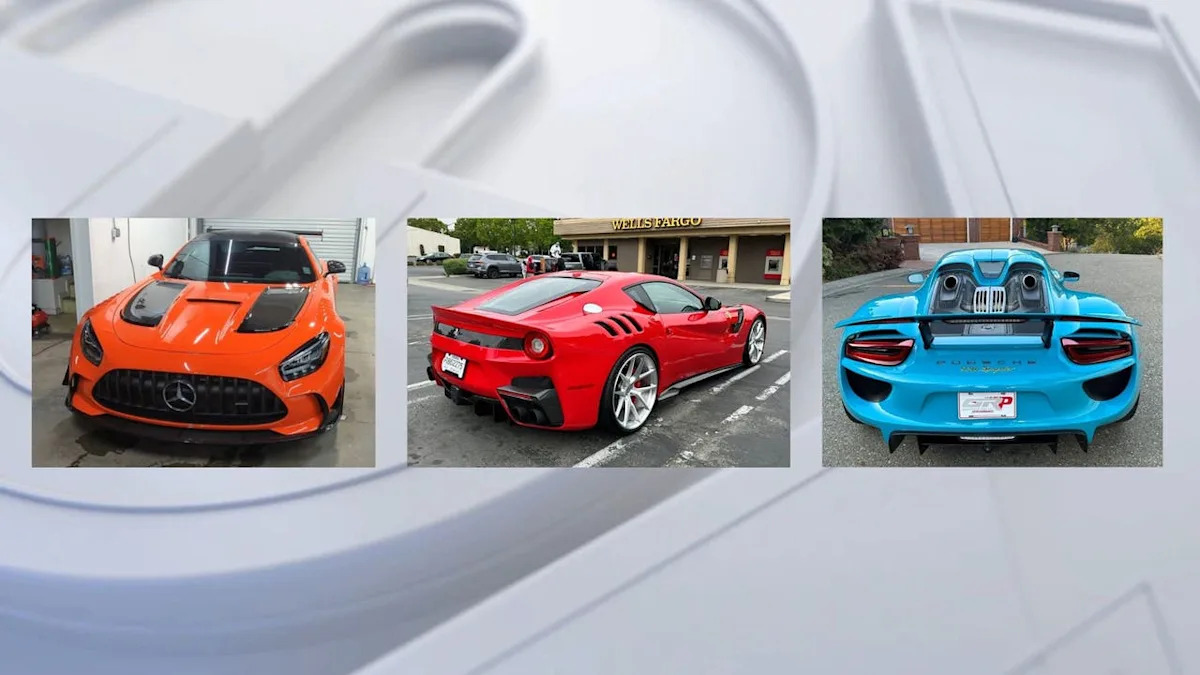
Because Montana has no statewide sales tax, wealthy Californians have historically used “shell companies” to avoid paying five- and six-figure tax bills on vehicles like the McLaren Elva ($1.8M) and Porsche 918 Spyder ($1.5M, according to authorities.
Since 2023, authorities have identified over 2,500 questionable sales across nearly 500 dealerships—concentrated heavily in cities like Beverly Hills and Costa Mesa—costing the state over $10 million annually in lost revenue.
SUGGESTED: SoCal gas prices keep going up: See a county-by-county breakdown
To combat this, the CDTFA has launched hundreds of audits and issued formal warnings to dealers regarding their liability for missing shipping documentation, while the DMV has pursued dozens of criminal investigations to recover millions in unpaid registrations.
Under state law, residents must pay California sales tax unless a vehicle is kept out of state for at least 12 months; those found circumventing these rules face back taxes, registration fees, and steep financial penalties reaching 50% of the purchase tax.
By the numbers
The state has released a breakdown of cities with the highest concentration of these suspicious sales:
Beverly Hills: 416 suspicious sales
Costa Mesa: 359 suspicious sales
San Diego: 269 suspicious sales
Mill Valley: 99 suspicious sales
Carlsbad: 97 suspicious sales
What they’re saying
“Every dollar of unpaid taxes is a dollar taken from California’s roads, schools, and the vital services our communities rely on,” said Bonta. State officials noted that caught tax-evaders face the original tax bill plus a 50% penalty on the purchase price.
“This indictment demonstrates DMV’s commitment to investigate and prosecute individuals and entities that are defrauding our state out of critical vehicle registration dollars,” said DMV Director Steve Gordon. “Since 2023, the DMV has launched over 80 investigations and recovered $2.3 million and we’ll continue this work ensuring that Californians who purchase and operate cars in California comply with state laws.”
SUGGESTED: California dominates 2026 ‘happiness’ rankings: Fremont named #1 in US (again)
“CDTFA is committed to investigating and taking action against people who are avoiding their tax responsibilities, as exemplified by the filing of this case,” said California Department of Tax and Fee Administration Director Trista Gonzalez. “California’s scenic roads are maintained by the tax dollars these motorists and their accomplices are trying to avoid. Today’s filing will hopefully discourage others from participating in this scheme.”
What’s next
Authorities warned they are expanding their search beyond Montana to other “no-tax” states, including Alaska, Delaware, New Hampshire, and Oregon.
The Source
This report is based on a criminal complaint filed by the California Department of Justice and official news releases from the California Department of Tax and Fee Administration (CDTFA). Data regarding city-specific hotspots and recovered revenue ($2.3 million to date) was provided by the DMV’s investigation task force (TRUE).