
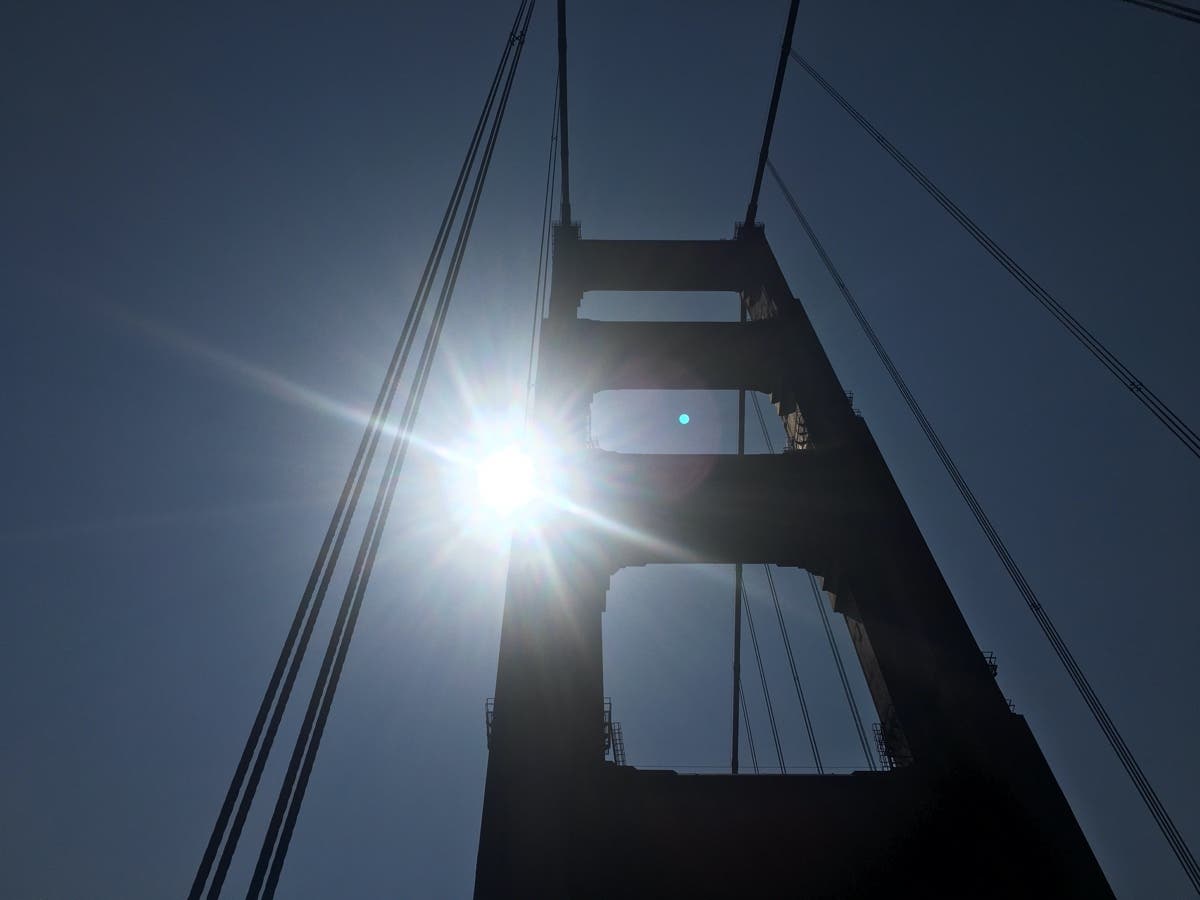
It’s not even spring yet, but it’s already starting to feel like summer across the Bay Area and much of California.
An heat wave caused by a strong ridge of high pressure could bring temperatures as high as 90 degrees in some areas by next week — possible record highs. Highs over the weekend and early next week are expected to be 20 to 30 degrees above seasonal averages, according to the National Weather Service.
🌡️A warming trend begins tomorrow & is likely to persist into early next week. Temperatures have the potential to exceed 90°F by Monday & Tuesday. Wear sunscreen, stay hydrated, try to stay out of the sun, & check back for the most up-to-date forecast! #CAwx #BayAreaWX pic.twitter.com/4UjXMbPqAP
— NWS Bay Area 🌉 (@NWSBayArea) March 10, 2026
Highs are expected to rise into the 80s in inland cities like Concord, Livermore, and San Jose starting Thursday, and reach the mid-80s over the weekend. Oakland is expected to reach the mid 80s over the weekend, and even San Francisco is expected to climb to 80 over the weekend and early next week. Some inland cities could see temperatures as high as 90 next week. Temperatures are expected to begin dropping by Wednesday, and will be closer to the upper 60s, according to the National Weather Service.
On average, northern California doesn’t typically see 80 degrees until April, according to ABC10 meteorologist Monica Woods. The earliest 90-degree day on record in Sacramento took place April 6, 1989, and the region doesn’t typically see its first 90-degree day until May.
The situation in Southern California is even more dramatic, where even some coastal areas could rise to 90 degrees over the next few days. Inland temperatures are expected to rise to the mid-90s. This caps off the warmest winter on record in Southern California since 1896, according to NOAA data. The National Weather Service issued Heat Advisories for Los Angeles and Ventura counties, including coastal areas, from Thursday to Friday.
The warm winter has resulted in a snowpack that is just 53% of its normal levels, according to the California Department of Water Resources. Experts are concerned that the heat wave will cause rapid snowmelt months earlier than usual, leading to flood risk, less water in the reservoirs later in the year, and increased fire risk. Meteorologists predict that weak rain may be possible later in the month, but no “Miracle March” is predicted.
During the hot weather, officials recommend staying hydrated, wearing sunscreen, and never leaving children or pets inside hot cars. Cooling centers are often available at local libraries, senior centers, and community centers.
SEE ALSO: