
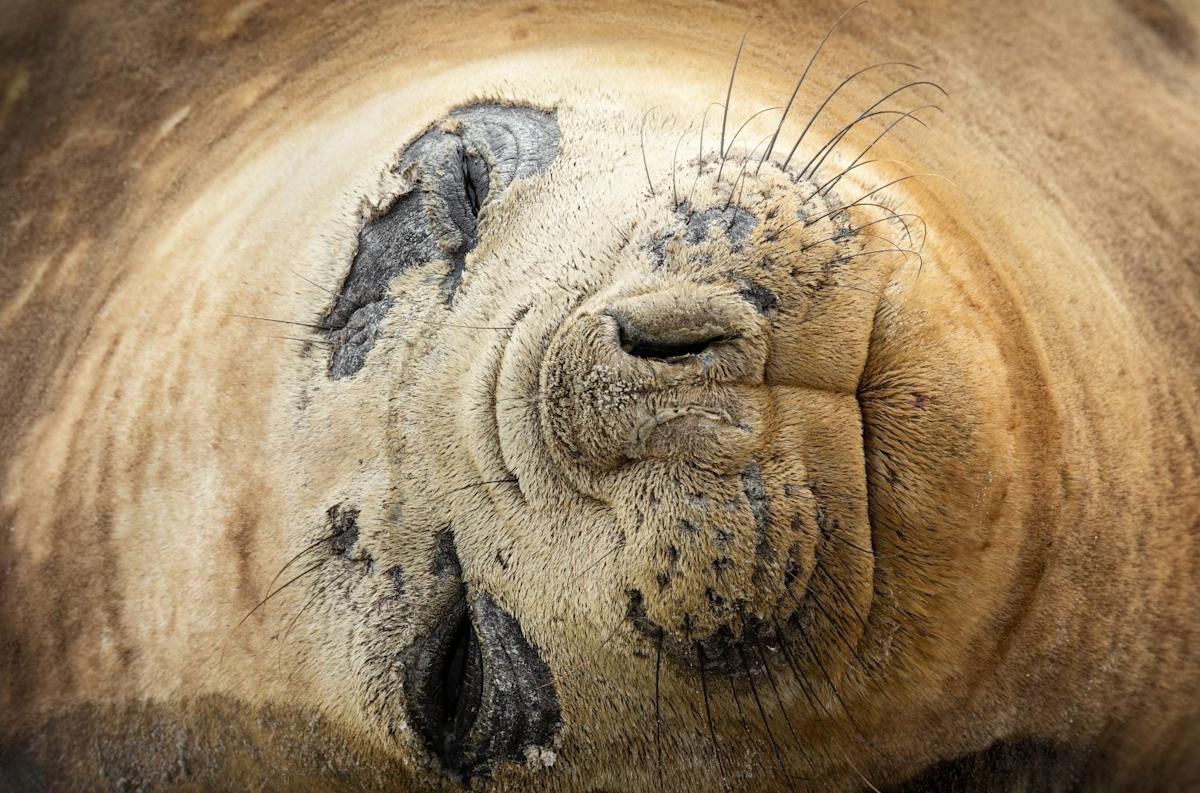
Close-up portrait of a Southern Elephant Seal (Mirounga leonina) showing detailed textures of its face and skin during molting season in the Falkland Islands.© Giedriius/Shutterstock.com
Quick Take
Scientists in California recently detected the first cases of H5N1 virus, avian influenza, in the northern elephant seal population at Año Nuevo State Park.
At least seven seal pups tested positive for the virus.
A similar outbreak in Argentina in 2023 killed about 17,000 southern elephant seals, most of them pups.
Wildlife experts in California are hopeful a similar outbreak won’t occur in the state.
Avian influenza has reached the U.S. west coast’s marine mammal population. Young northern elephant seals located at Año Nuevo State Park have tested positive for H5N1, a deadly virus also known as bird flu.
This marks the first confirmed cases of the virus in California’s marine mammal population. The discovery was announced on February 26, 2026 by the Marine Mammal Center.
This outbreak could have a devastating impact on California’s northern elephant seal population.
What is Avian Influenza?
Avian influenza, often referred to as bird flu, is a deadly strain of the H5N1 virus. It primarily affects wild birds and domestic poultry, where it has a very high mortality rate. However, the virus has also shown the ability to easily transmit to mammals.
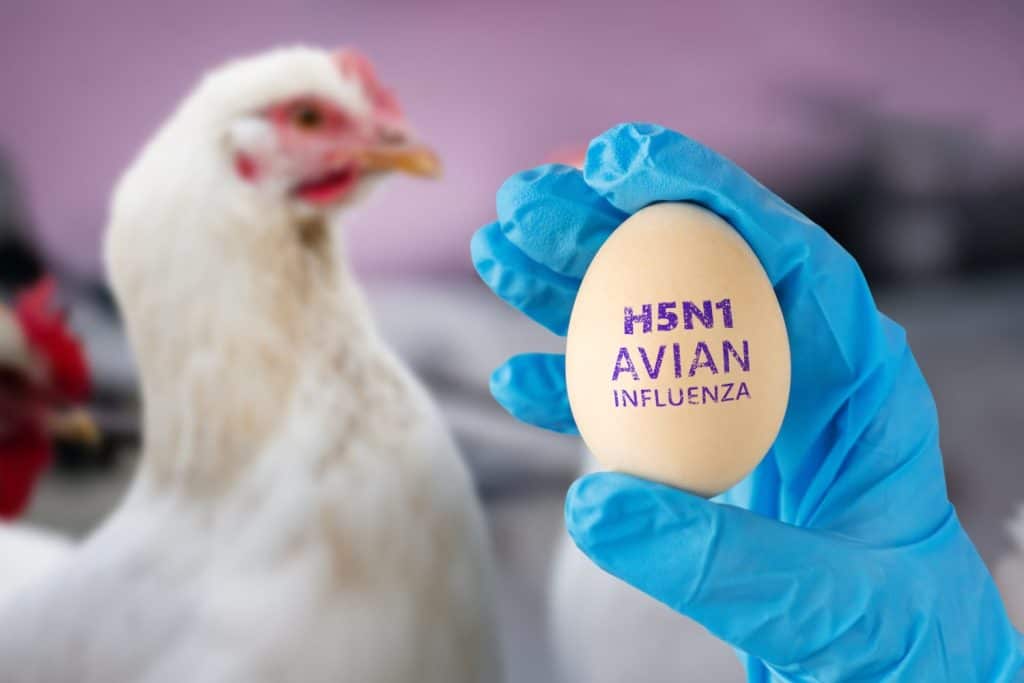
Bird flu has traditionally had a deadly impact on domestic poultry and wild fowl. However, it has now jumped to marine mammals, with devastating effects.
©Melnikov Dmitriy/Shutterstock.com
(Melnikov Dmitriy/Shutterstock.com)
Scientists have noted that the virus is “completely out of control” in wild animal populations.
While the virus has devastated farm animal populations, including dairy cattle, it has also had a significant impact on other species, including elephant seals.
How Has H5N1 Affected Elephant Seal Populations Worldwide?
The most noteworthy virus-to-mammal transmission story originated in the Peninsula Valdés area of Argentina’s Patagonia region. In 2023, avian influenza quickly tore through breeding colonies of southern elephant seals.
The results were devastating.
Scientists estimate that nearly 96 percent of all pups born that season died from the virus. More than 17,000 elephant seals died overall. It is also estimated that between 50 and 70 percent of the reproductive adult population either died or didn’t return to the beach the next year.
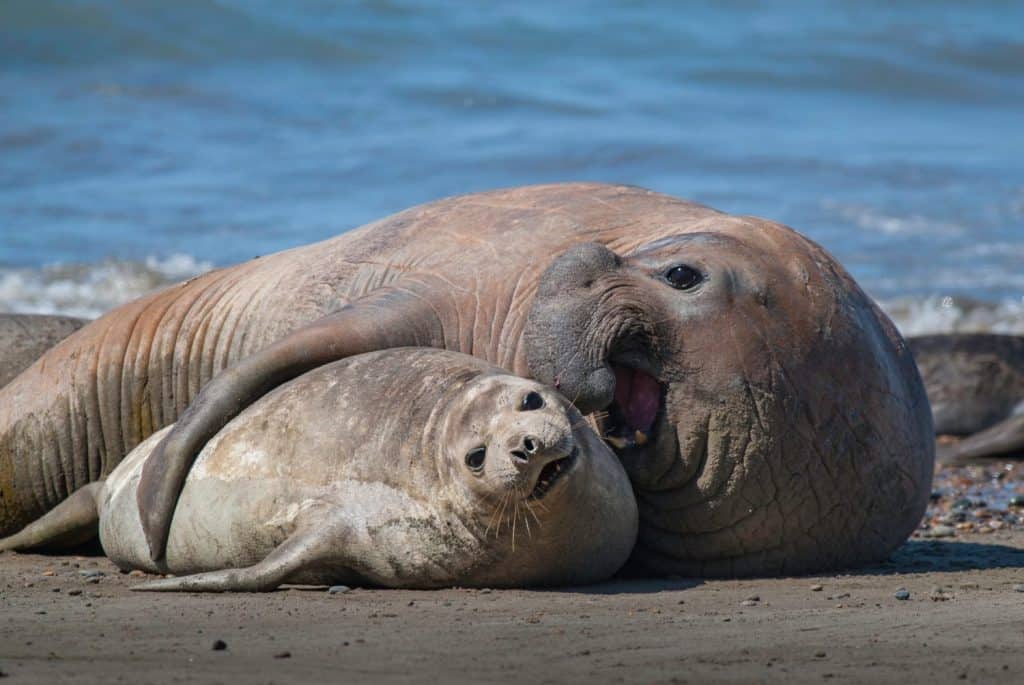
Nearly 96 percent of all southern elephant seal pups born in Argentina’s Peninsula Valdés area died from H5N1 in 2023.
©Foto 4440/Shutterstock.com
(Foto 4440/Shutterstock.com)
According to the Wildlife Conservation Society, “H5N1 now presents an existential threat to the world’s biodiversity.” The Society also notes that the 2023 die-off stood in dramatic contrast to the 18,000 seal pups born and successfully weaned in the preceding year.
Scientists note that in the 2024 and 2025 breeding seasons, census counts showed only about one-third of the expected southern elephant seals returned.
What’s Happening with California’s Elephant Seals?
Scientists in the U.S. knew it was only a matter of time before H5N1 spread to California’s northern elephant seal population. After the devastating outbreak in Argentina, California ecologists and virologists knew the virus would make its way north. It wasn’t if, it was when.
That day arrived in February 2026, when wildlife officials confirmed that seven weaned northern elephant seal pups tested positive for H5N1. The discovery marked several grim firsts. It was the first time the virus was detected in any of California’s marine mammal populations and the first time in northern elephant seals.
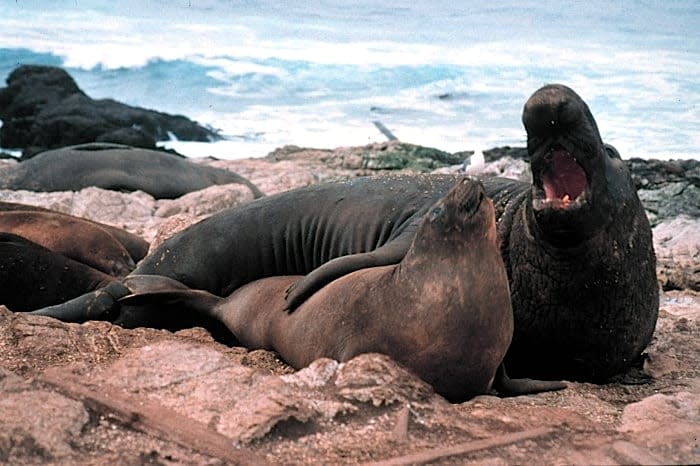
The H5N1 virus has just been detected in California’s northern elephant seal population.
©Jan Roletto – Public Domain
(Jan Roletto – Public Domain)
“Everyone was waiting for the other shoe to drop on a ton of fronts because the same virus…has been marching across the Americas,” said Christine Johnson, director of the Institute for Pandemic Insights at the University of California, Davis’ Weill School of Veterinary Medicine, told Inside Climate News on March 3, 2026.
In an effort to avoid or mitigate a scenario similar to what occurred in Argentina, experts formed a coalition to monitor the situation in California. Experts from the Marine Mammal Center, NOAA, UC Davis, UC Santa Cruz, California Department of Fish and Wildlife, and California Department of Public Health are working together to monitor the northern elephant seal populations within the initial discovery zone and elsewhere on the California coast.
Their goal is to collaborate and guide a science-based and coordinated response.
According to the Marine Mammal Center, scientists and their partners are “actively monitoring seal populations, testing samples, and tracking the situation closely.” They hope that additional early detection will allow for a fast response if the situation grows. The team notes that most of the northern elephant seal colony in Año Nuevo State Park still appears healthy.
How Did Scientists Make the Discovery in California?
Scientists monitoring elephant seal populations at Año Nuevo State Park first noticed an uptick in the number of deceased or sick seals on the beach.
In a normal breeding season, around 5,000 elephant seals gather there to breed and nurse their pups. Once the pups are weaned, the mothers head back out to sea, leaving the pups to fend for themselves.
In a normal breeding season, scientists say it isn’t unusual for pups to die from natural causes. But when researchers monitoring the site discovered 30 sick or deceased seal pups on February 19 and 20, the number caught their attention. So did the sick seals’ behavior. They showed abnormal neurological and respiratory signs that were symptomatic of avian influenza.
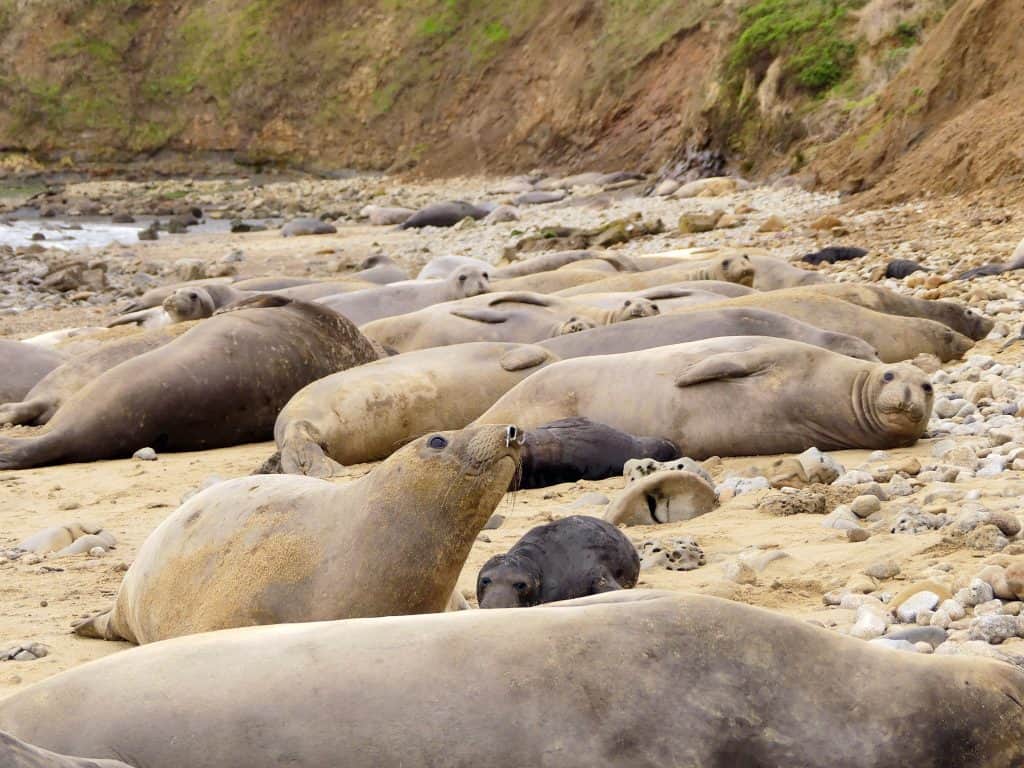
Once weaned, elephant seal pups are left on the beach to fend for themselves.
©Aiko Goldston/NPS/PRNSA/public domain – Original / License
(Aiko Goldston/NPS/PRNSA/public domain)
Scientists took samples from the sick and dead seals and it was quickly determined that H5N1 was present.
The team is hopeful that the outbreak is contained. They note that most of the breeding females had already left the beach after the breeding season concluded, and the remainder of the seals appear healthy.
What Happens Next?
For now, scientists continue to monitor California’s northern elephant seal populations. The elephant seal viewing area at Año Nuevo State Park is closed for the rest of the season and elephant seal tours are canceled. Visitors to the park can still explore the Marine Education Center, Horse Barn Movie Theater, and three-quarters of a mile of the Año Nuevo Point Trail.
The Marine Mammal Center notes that while the risk of H5N1 transmission to humans is low, visitors should still take the following steps to ensure the safety of themselves and the animals in the park:
Stay at least 150 yards away from marine mammals
Don’t touch living or dead wildlife
Keep dogs leashed on or near beaches
Report sick or injured marine mammals to the MMC hotline at 415-289-SEAL (7325)
The post Scientists Confirm Avian Flu in California’s Marine Mammals appeared first on A-Z Animals.