
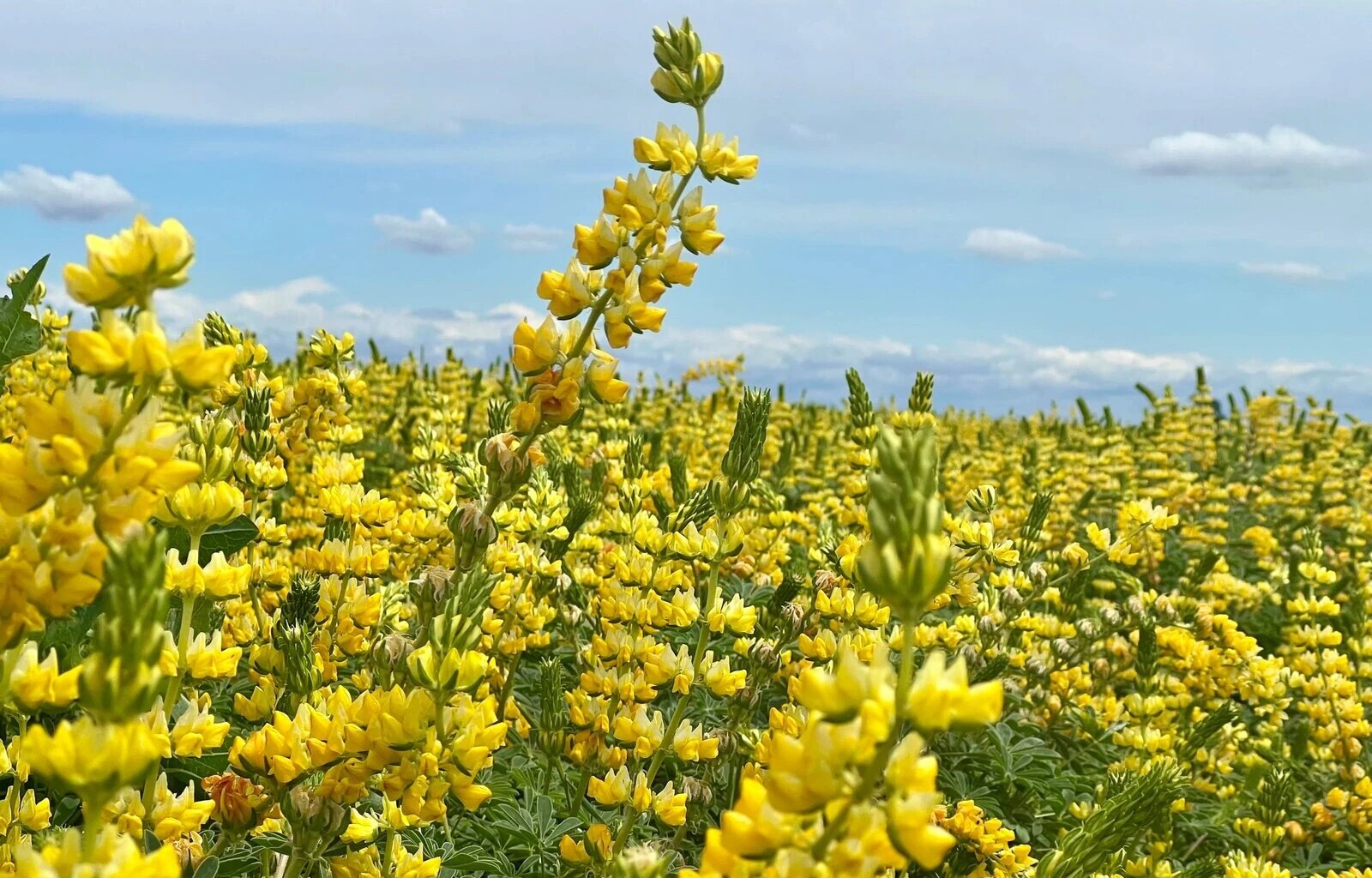
Only then do the specialists carefully propagate the seeds under controlled conditions to maintain genetic diversity, and finally, as Reynolds explains, it’s an art to harvest the new seeds at precisely the right moment — sometimes within a 24-hour window — to ensure viability. Harvest too early and germination rates plummet. Too late, and the seed falls to the ground.
Some species require hand harvesting. Others, including some varieties of milkweed critical to pollinators like monarch butterflies, can cost more than $1,000 per pound to produce. “Milkweed actually is very expensive to amplify,” Reynolds explains. “But we need it because if there is no milkweed, there are no monarch butterflies.”
Heritage Growers was created five years ago to address this systemic shortage. As a venture of River Partners, a nonprofit that has restored tens of thousands of acres of riparian habitat throughout California, the farm operates under a fundamentally different model than commercial seed producers and the network of small nonprofit growers. “Our mission is to restore habitat for the benefit of people and the environment,” Reynolds says.
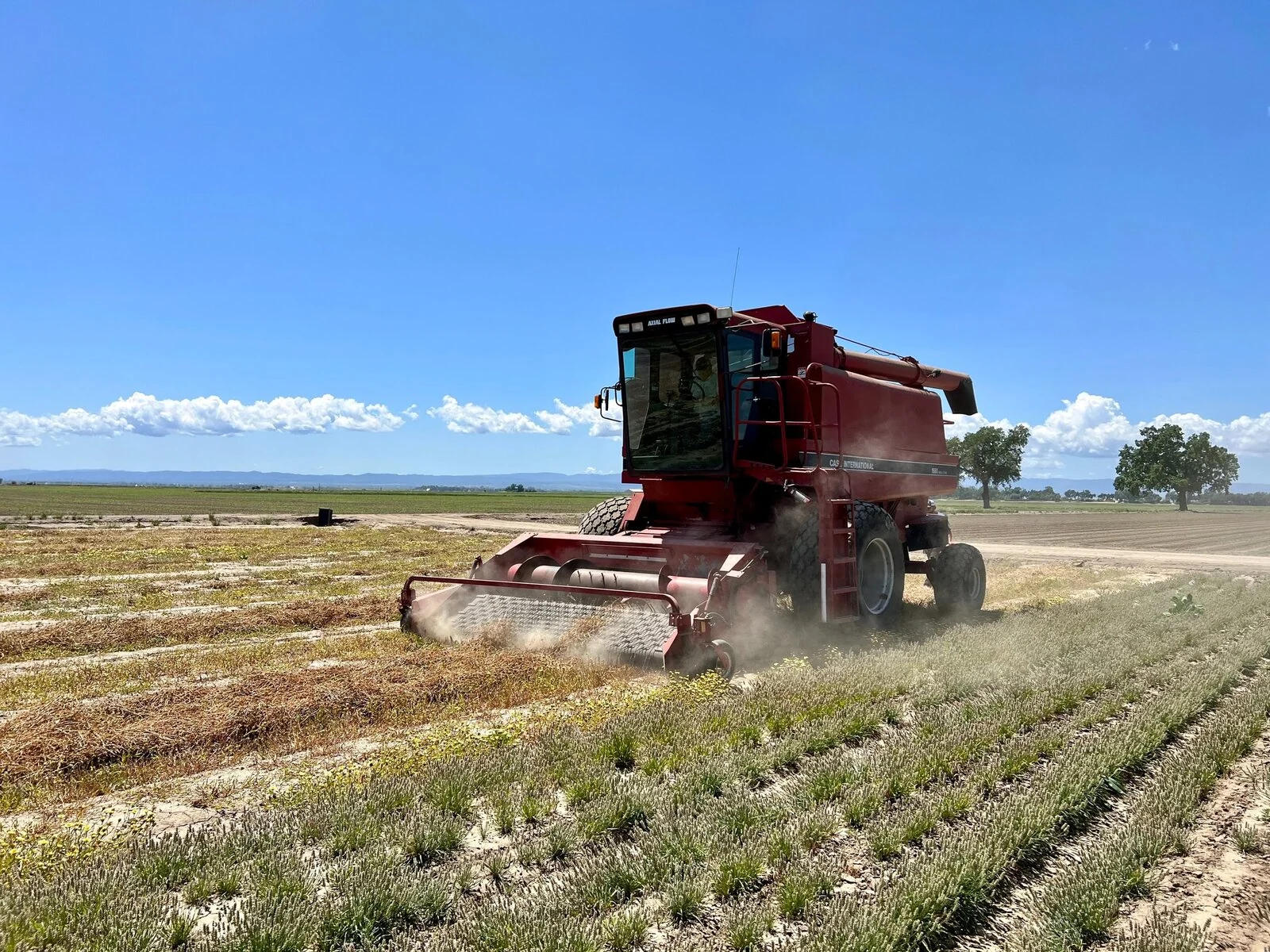 At first glance, Heritage Growers resembles any other working farm. Courtesy of Heritage Growers
Growing its own supply allows the organization to plan ahead — cultivating native grasses, shrubs and wildflowers years in advance of when they’ll be needed in the field. “In the past, River Partners was really at the mercy of the only other real supplier in California,” Reynolds says. When a grant took three years to be awarded, he notes, “the cost of that seed has gone up substantially … and there’s not the money available anymore.” Heritage Growers changes that calculus. The farm currently produces more than 30,000 to 40,000 pounds across up to 200 different seed varieties every year. That makes it one of only three large-scale native seed growers in the state, and the only nonprofit. And yet, the output is still far from enough.
California is widely recognized as one of the world’s most important biodiversity hotspots, supporting thousands of endemic plant and animal species, more than any other US state. However, California’s Biodiversity Initiative notes that its wetlands, riparian woodlands and forests have “suffered extensive losses,” with “an estimated 80–90 percent” of its biologically diverse landscapes altered or lost in the past 150 years. Development, agriculture, invasive species, climate change and increasingly intense wildfires are among the culprits. Reestablishing native vegetation is crucial to reversing those trends.