
A former parole agent who worked for the California Department of Corrections and Rehabilitation says parolees in the state have not been closely tracked and is warning if things don’t change, there could be dangerous consequences.The former agent says he worked for CDCR for 15 years, including six years in the San Francisco parole office. He says his concerns started during the pandemic, when agents were told they needed to do most of their work by phone instead of in-person. “As a sex offender agent, I had GPS tracking information, so I could see pretty much where they were at any given time, but beyond that, what they were doing at those moments I have no idea,” said the former agent. He spoke to KCRA 3 on the condition of his identity being concealed. He said he was fearful of retribution but wanted his safety concerns to be made public. “It was literally, ‘are you abiding by the law today? Yes? Fantastic,'” the former agent said. “Whatever they told us is exactly what we would put in the system.” The former agent said after COVID-19 protocols were lifted, agents did return to the field, but he said there was a directive to not make arrests or do other police work that would generally be involved with parole. When asked why that kind of directive would have been in place, the former agent said, “Logically speaking, if you do not actively investigate, pursue and arrest these individuals, and we are the best tasked to do that … well now rehabilitation appears that it’s working and recidivism is dropping. Because if you’re leaving it to external agencies to do your job … it’s much less likely that they will be discovered at least as often as they’re committing crimes.” It’s that alleged lack of assistance that is the subject of a government tort claim filed earlier this month by the family of Hanako Abe. Abe was 27 years old in December 2020 when she and another woman, 60-year-old Elizabeth Platt, were hit and killed by a car in downtown San Francisco. Prosecutors said the driver, Troy McAlister, was speeding while under the influence of meth and alcohol when he ran a red light and hit the women in a crosswalk.The claim filed by Abe’s family says Daly City Police had contacted CDCR parole agents two days before the crash, asking for help finding McAlister to take him into custody because of parole violations. But the claim says they didn’t get that assistance. The claim cites an email sent from CDCR parole supervisors in San Francisco in May 2020, instructing agents not to provide assistance to other agencies. The claim says the email also tells agents not to search for violations. KCRA 3 reached out to CDCR for comment on the claim and the allegations from the former agent. A spokesperson responded, “While CDCR can’t comment on potential pending litigation, the Department’s top priority is public safety.”The former agent who spoke to KCRA 3 said he is concerned that accidents like what happened in the Bay Area could happen again if parolees aren’t tracked more closely.”They’re not being properly supervised. I believe that’s purposeful in nature. And unequivocally, I will state that they are not safe,” the former agent said. “People are not safe at all. These parolees are left to rampage throughout the state and more issues will occur that are similar in nature to, unfortunately, the incident that occurred in San Francisco.”The criminal case for McAlister is set to go to trial later this month. He is facing charges of vehicular manslaughter. He has previously pleaded not guilty. The criminal case has already received a lot of attention in the Bay Area. It fueled the recall of former district attorney Chesa Boudin, whose office spared McAlister from a life sentence in a prior case.McAlister’s criminal history includes nine felony convictions, including drug offenses, attempted carjacking and robbery.See more coverage of top California stories here | Download our app | Subscribe to our morning newsletter | Find us on YouTube here and subscribe to our channel
A former parole agent who worked for the California Department of Corrections and Rehabilitation says parolees in the state have not been closely tracked and is warning if things don’t change, there could be dangerous consequences.
The former agent says he worked for CDCR for 15 years, including six years in the San Francisco parole office.
He says his concerns started during the pandemic, when agents were told they needed to do most of their work by phone instead of in-person.
“As a sex offender agent, I had GPS tracking information, so I could see pretty much where they were at any given time, but beyond that, what they were doing at those moments I have no idea,” said the former agent.
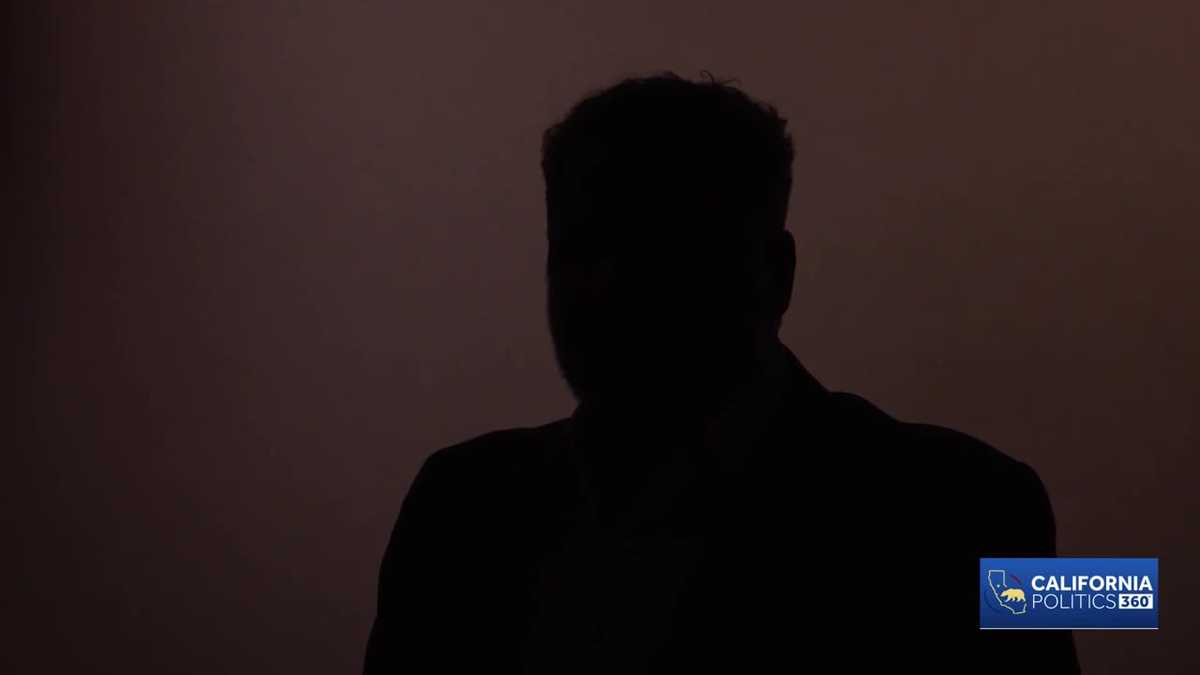
He spoke to KCRA 3 on the condition of his identity being concealed. He said he was fearful of retribution but wanted his safety concerns to be made public.
“It was literally, ‘are you abiding by the law today? Yes? Fantastic,'” the former agent said. “Whatever they told us is exactly what we would put in the system.”
The former agent said after COVID-19 protocols were lifted, agents did return to the field, but he said there was a directive to not make arrests or do other police work that would generally be involved with parole.
When asked why that kind of directive would have been in place, the former agent said, “Logically speaking, if you do not actively investigate, pursue and arrest these individuals, and we are the best tasked to do that … well now rehabilitation appears that it’s working and recidivism is dropping. Because if you’re leaving it to external agencies to do your job … it’s much less likely that they will be discovered at least as often as they’re committing crimes.”
It’s that alleged lack of assistance that is the subject of a government tort claim filed earlier this month by the family of Hanako Abe.
Abe was 27 years old in December 2020 when she and another woman, 60-year-old Elizabeth Platt, were hit and killed by a car in downtown San Francisco.
Prosecutors said the driver, Troy McAlister, was speeding while under the influence of meth and alcohol when he ran a red light and hit the women in a crosswalk.
The claim filed by Abe’s family says Daly City Police had contacted CDCR parole agents two days before the crash, asking for help finding McAlister to take him into custody because of parole violations. But the claim says they didn’t get that assistance.
The claim cites an email sent from CDCR parole supervisors in San Francisco in May 2020, instructing agents not to provide assistance to other agencies.
The claim says the email also tells agents not to search for violations.
KCRA 3 reached out to CDCR for comment on the claim and the allegations from the former agent.
A spokesperson responded, “While CDCR can’t comment on potential pending litigation, the Department’s top priority is public safety.”
The former agent who spoke to KCRA 3 said he is concerned that accidents like what happened in the Bay Area could happen again if parolees aren’t tracked more closely.
“They’re not being properly supervised. I believe that’s purposeful in nature. And unequivocally, I will state that they are not safe,” the former agent said. “People are not safe at all. These parolees are left to rampage throughout the state and more issues will occur that are similar in nature to, unfortunately, the incident that occurred in San Francisco.”
The criminal case for McAlister is set to go to trial later this month. He is facing charges of vehicular manslaughter. He has previously pleaded not guilty.
The criminal case has already received a lot of attention in the Bay Area.
It fueled the recall of former district attorney Chesa Boudin, whose office spared McAlister from a life sentence in a prior case.
McAlister’s criminal history includes nine felony convictions, including drug offenses, attempted carjacking and robbery.
See more coverage of top California stories here | Download our app | Subscribe to our morning newsletter | Find us on YouTube here and subscribe to our channel