
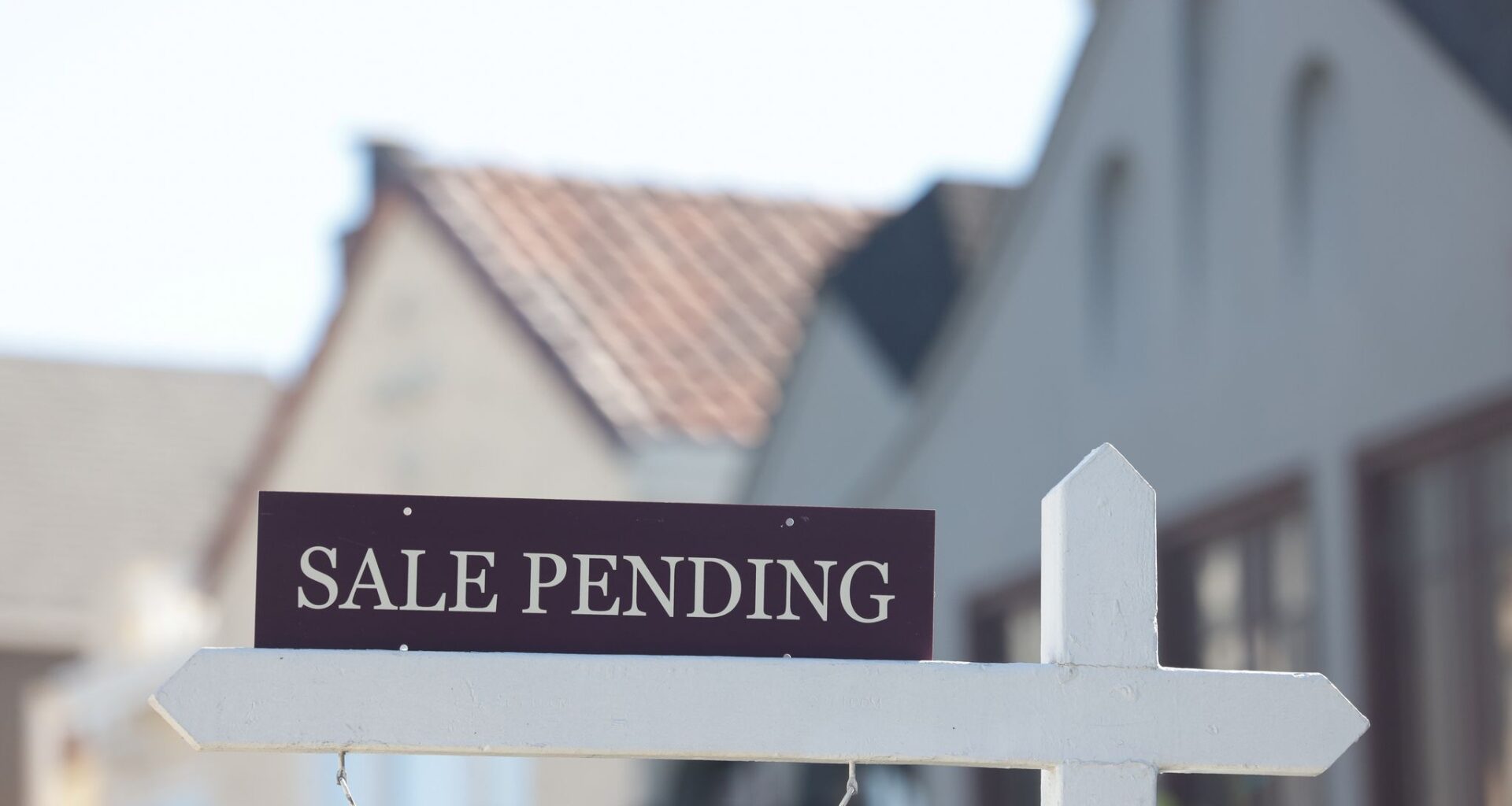
Demand for homes has returned to San Francisco, but the number of listings is on the decline.
Lea Suzuki/S.F. Chronicle
Last spring, San Francisco home sellers had a problem: They were putting their homes on the market, but buyers weren’t interested.
Less than a year later, the tables have turned. It’s increasingly common for tech workers and investors, flush with cash from the artificial intelligence boom, to compete against a dozen other buyers for a single home, some real estate agents say.
Article continues below this ad
But now, the for-sale signs are rarer. San Francisco had fewer than 1,000 active listings in January, according to the latest data from real estate brokerage Redfin. While the housing market generally cools in the winter, that number was even lower than usual for the off-season — down from more than 1,300 homes in January 2025 and the lowest count since January 2020.
The shrinking number of listings in the city began last fall amid a wave of house-buying that stretched into the early winter. That trend makes San Francisco a standout from much of the country, where the number of homes for sale has risen slightly in recent years, gradually approaching its pre-pandemic levels.
San Francisco, meanwhile, saw a jump in listings during the pandemic as residents moved out to the suburbs. Demand is returning, but supply is shrinking again, setting the stage for a potential surge in prices in a city already infamous for its high housing costs.
San Francisco Chronicle Logo
Make us a Preferred Source to get more of our news when you search.
Add Preferred Source
It’s not just that people are buying more in San Francisco, though they are — the city saw 5,500 pending sales in 2025, up 6% from 2024. It’s also that sellers aren’t putting any more homes on the market, with new listings remaining effectively flat at 6,700 from 2024 to 2025.
Article continues below this ad
That’s meant more competition among buyers, especially at the upper end, said Nina Hatvany, a San Francisco real estate agent at Compass. A $4.5 million Pacific Heights house that she listed early this month sold after just a week. It received six offers, with the winning bid landing between $5 million and $6 million.
“It’s unbelievably hectic,” said Nina Hatvany, a San Francisco real estate agent at Compass. “Now there are five people, very sad, looking for a house.”
That kind of gap — a jump in sales without more homes hitting the market — was seen in only a couple of other Bay Area cities: Oakland and Antioch. In most other medium and large Bay Area cities, new listings are still outpacing sales.
But why aren’t more San Francisco sellers taking the current opportunity to snag a tidy profit on their property? It’s simple, some real estate agents say — they’re holding out for more money.
“I think a lot of people realized a tsunami is coming,” said Arrian Binnings, a San Francisco real estate agent with Christie’s International Real Estate. He pointed to reports that rapidly growing tech companies such as OpenAI, Anthropic and Databricks — all based in San Francisco — are preparing to go public in the next one to three years, which could bring even more wealth to the city’s housing market.
Article continues below this ad
Eric Janson, a San Francisco real estate agent with Compass, expects inventory to increase gradually after this spring as news of bidding wars spreads. But many sellers may also have personal reasons for holding onto their homes, he added. While the AI industry is booming, other tech giants are still laying off workers, giving some homeowners pause about selling. In other words, holding onto a home for now, in some sellers’ minds, offers both more stability and the potential of a bigger windfall later in the year.
“If they’re worried that their job is going to be gone, they’re going to stick in a two-bedroom house,” Janson said.
There’s also the reality that many San Francisco homeowners purchased before the 2022 mortgage rate surge, meaning they’d have to eat a much higher monthly payment if they moved. This “lock-in effect” results in fewer new listings, explained Redfin economist Daryl Fairweather, while high mortgage rates also give more leverage to wealthy buyers who can make all-cash offers.
That’s also helped investors pick up more homes in San Francisco, Fairweather added. A recent Redfin analysis indicated that investor purchases of homes in San Francisco and San Mateo County rose by 24% from 2024 to 2025, one of the biggest jumps among large U.S. metropolitan areas. Those investors may be hoping to flip homes into luxury units, Fairweather said.
Article continues below this ad
But such expectations have been proven wrong before. Last year’s tariff threats throttled much of the Bay Area housing market, and concerns over the Iran war could have a partial cooling effect, though real estate agents say it’s too soon to say.
“I’ve been doing this for 35 years, and things can change on a dime,” Hatvany said. “All you need is an earthquake or a war.”