
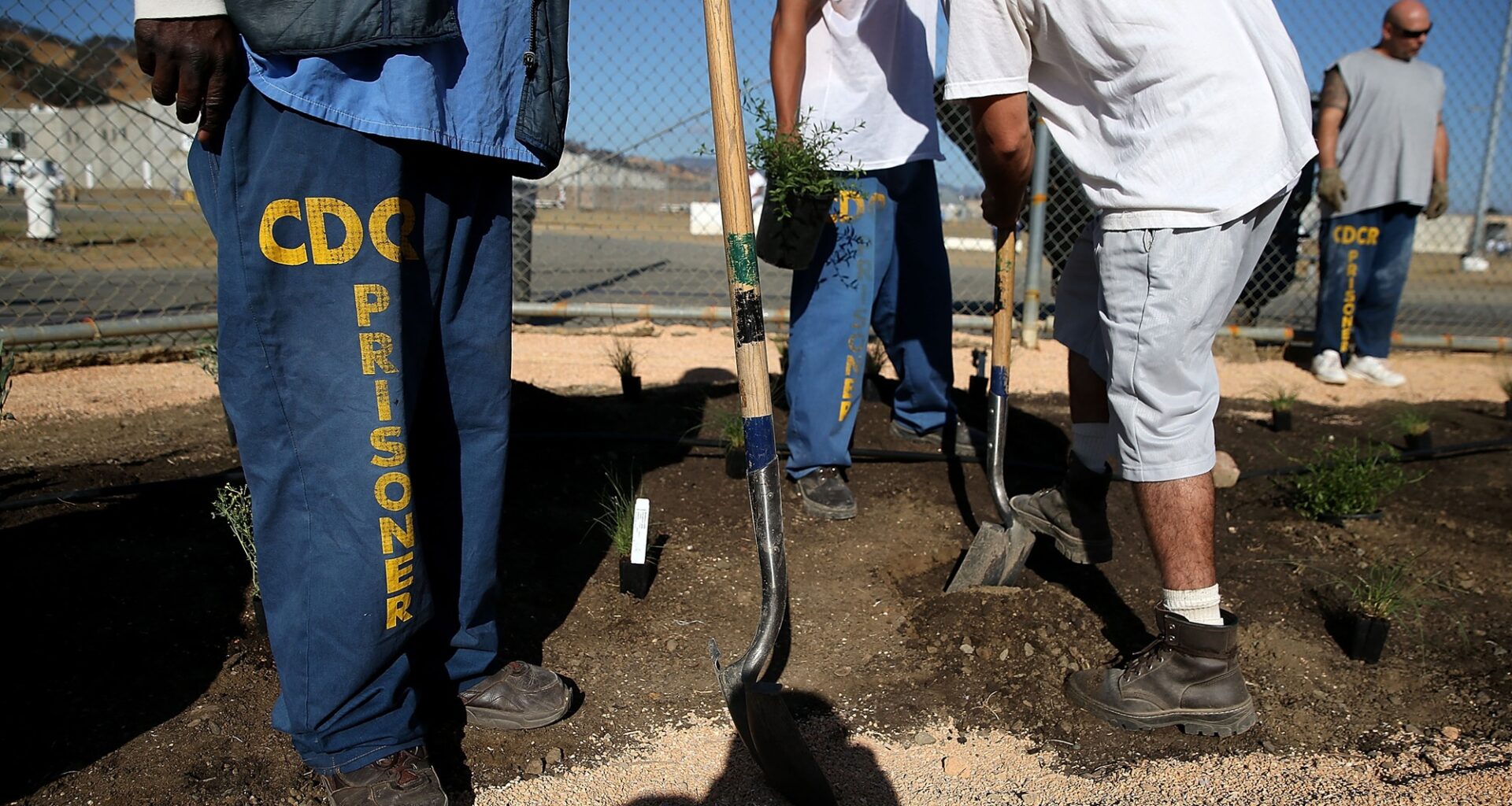
Cal/OSHA spokesperson Denisse Gómez said feedback from stakeholders and others will inform the proposed regulation, which will be discussed next at a public meeting on May 7.
CDCR operates dozens of correctional and rehabilitation facilities, many of them located in the Central Valley, Inland Empire and other regions that often reach triple digits during the summer. Climate change is expected to exacerbate the risks of very high temperatures, which can result in heat stroke and death.
A coalition of workplace safety advocates and unions representing prison staffers back a state bill that would require CDCR to implement minimum relief measures during excessive weather events. AB 2499 would also mandate cooling systems at correctional facilities’ living quarters, work areas, and recreational spaces. The Assembly’s public safety committee plans to hear the proposed legislation on March 24.
State prison officials have estimated that it would cost about $6 billion to implement effective air cooling mechanisms to protect prison workers from extreme heat. Cost concerns led policymakers to exclude CDCR from indoor heat rules issued in 2024 for restaurants, warehouses, manufacturing plants and other indoor workplaces.
Those regulations have a lower temperature trigger than the current proposal for prisons and jails, as businesses are required to provide workers with drinking water and cool-down options when indoor temperatures climb to 82 degrees. If an area reaches 87 degrees, employers must lower the temperature through air conditioning, ventilation and other measures, or reduce worker exposure to the heat.
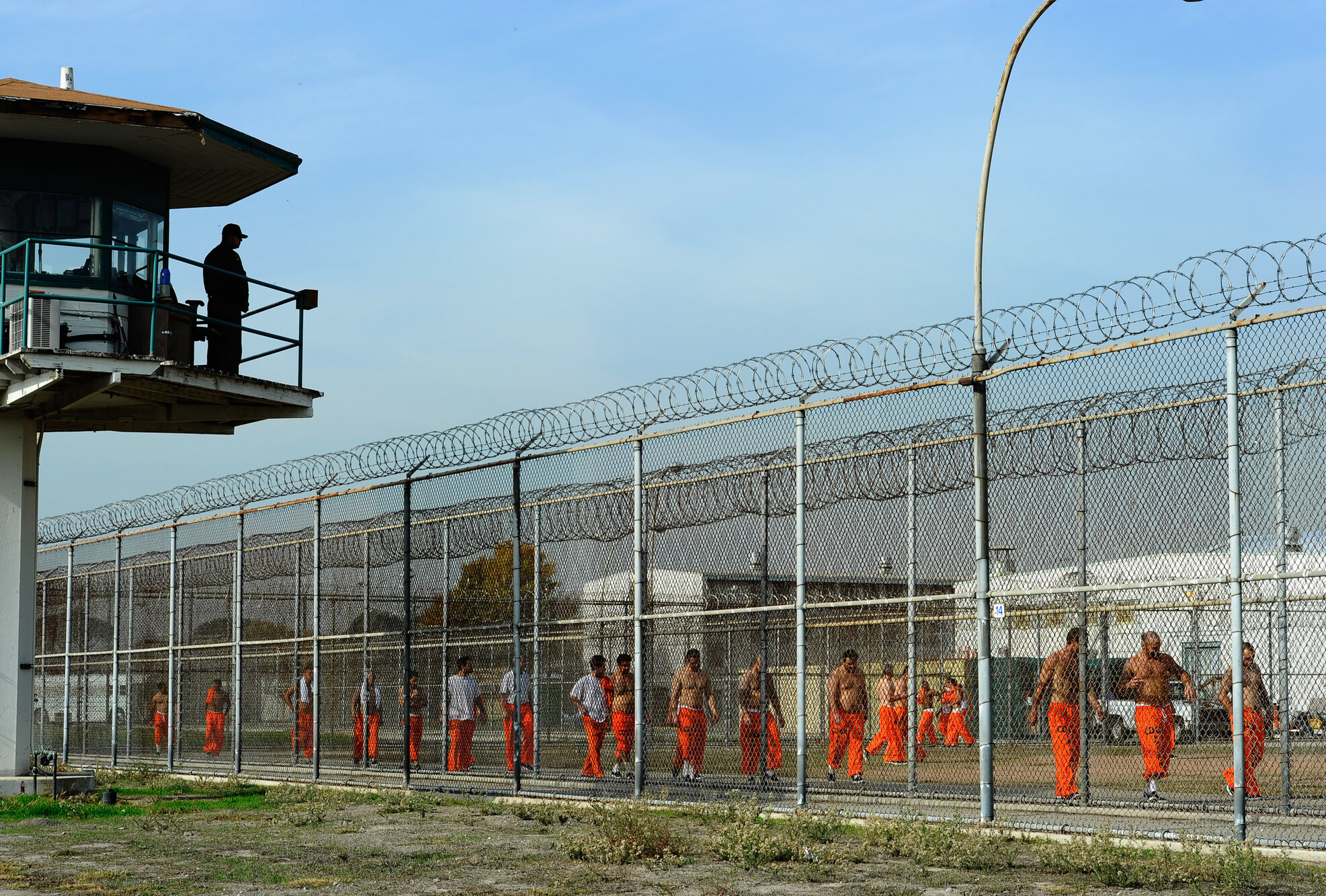 California Department of Corrections officer looks on as inmates at Chino State Prison exercise in the yard Dec. 10, 2010, in Chino, California. (Kevork Djansezian/Getty Images)
CDCR has been working on a $38 million pilot program to test insulation and cooling system improvements at three prisons in Madera, Kern and Los Angeles counties over the next four years. Results are not expected until 2028 at the earliest.
Last year, the Office of the Inspector General reviewed the department’s preparedness for extremely hot and cold temperatures at three prisons — High Desert State Prison, California State Prison, Corcoran and California State Prison, Los Angeles County — and found CDCR was failing to take steps to protect vulnerable incarcerated people. Old cooling and heating equipment commonly failed, as some systems were more than 30 years old, the review found.
“The department has long acknowledged the challenges it has with its aging infrastructure, including heating and cooling systems,” the report said.