
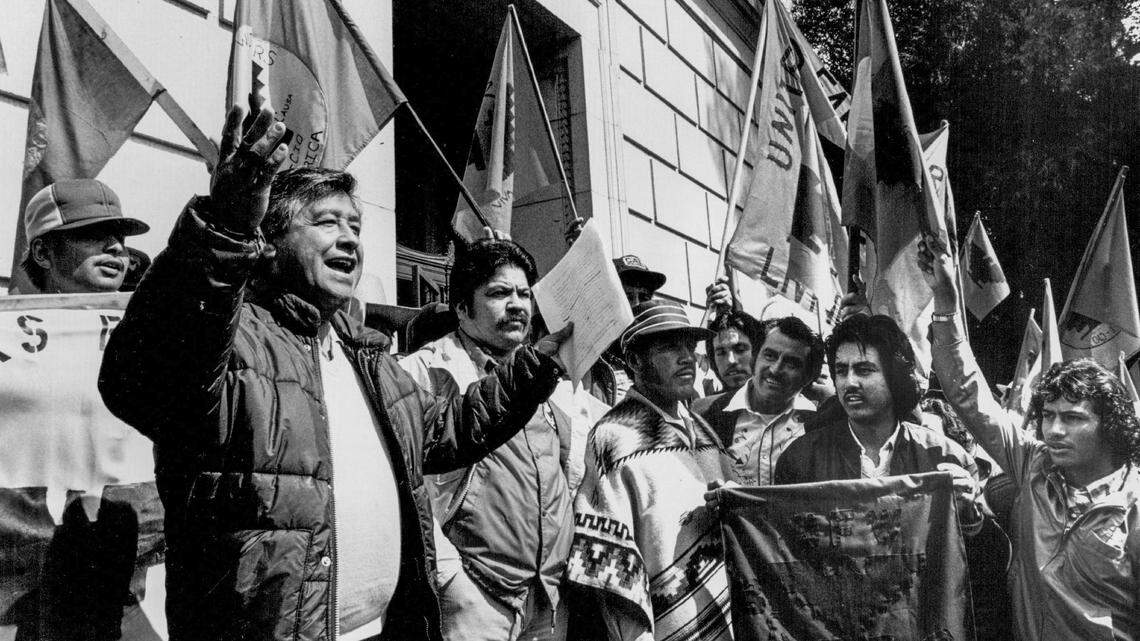
I interviewed Cesar Chavez at the end of 1991, and the venerated labor hero now being accused of unspeakable acts of sexual violence could not have been a bigger jerk. This week, published accounts in the Los Angeles Times and New York Times detail shocking allegations of rape, sexual assault and abuse of minors by Chavez, who has been dead for more than 30 years.
It takes me back to the interview. I was a young reporter who also happened to be the son of Mexican immigrants. Chavez and two of his lieutenants were hostile and nasty.
The Bee had just published a four-day investigation into the abuses of farmworkers in California that hadn’t once mentioned Chavez or his United Farmworkers organization. That was by design. In our series, called “Fields of Pain,” we had found that the UFW of those years had become a divisive force. The group wasn’t effectively organizing and, in some cases, was disparaging other farmworker advocates.
I made the five-hour drive from Sacramento to the Kern County town of Keene to interview Chavez in his office.
I was led in to see him with former Bee reporter Mike Wagner. I was startled to suddenly see a man my parents deeply respected, a man viewed as a kind of God in our Mexican American community. Chavez was described as the best among us and to this day, whenever politicians want to talk about my community, they pull Chavez off the shelf as if none of us have ever done anything worth mentioning.
An angry Chavez
That day, Chavez was sitting behind a desk with incense burning in the room. He was angry. He would grow a lot more angry in February 1992, when my story published in The Bee. I had many people speaking on the record about how Chavez and his helpers were far different from their vaunted public images.
I left Keene after the interview shaking my head at how people choose false idols to worship. For a while, I took endless abuse for my story, especially from people in my own community.
The work that the UFW did and continues to do on behalf of farmworkers is critically important. The hostility that farmworker advocates took then — and continue to absorb — created a siege mentality that made people respond with outsized portions of love and respect for Chavez that he didn’t deserve then or now.
Once Chavez was designated as a hero, we forgot that he was just a man. The work that he did was more important than him.
False idols
Of course, I’m shocked by the new allegations against Chavez. But I’m not surprised.
The impulse to worship false idols is as old as time. From Biblical characters to modern-day politicians, we become blind to the excesses of human beings we want to believe in for a myriad reasons. When considering Cesar Chavez this week, the words that come to mind are: We never learn.
We need to separate Chavez from the work of his union that goes on to this day. In the end, the flaws of Cesar Chavez were his own.
He was a sinner like the rest of us.
But some sins are far, far worse than others.
This story was originally published March 18, 2026 at 11:00 AM.
Related Stories from Sacramento Bee
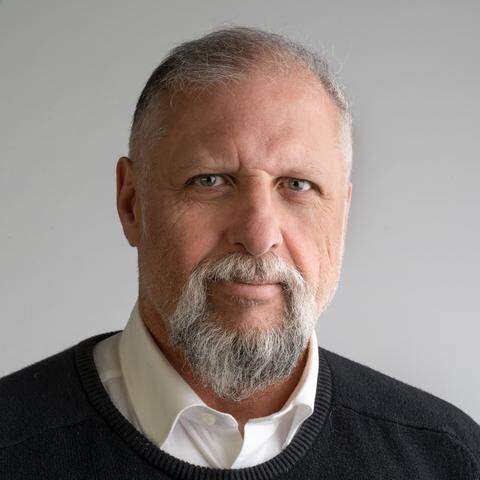
Marcos Bretón oversees The Sacramento Bee’s Editorial Board. He’s been a California newspaperman for more than 30 years. He’s a graduate of San Jose State University, a voter for the Baseball Hall of Fame and the proud son of Mexican immigrants.