
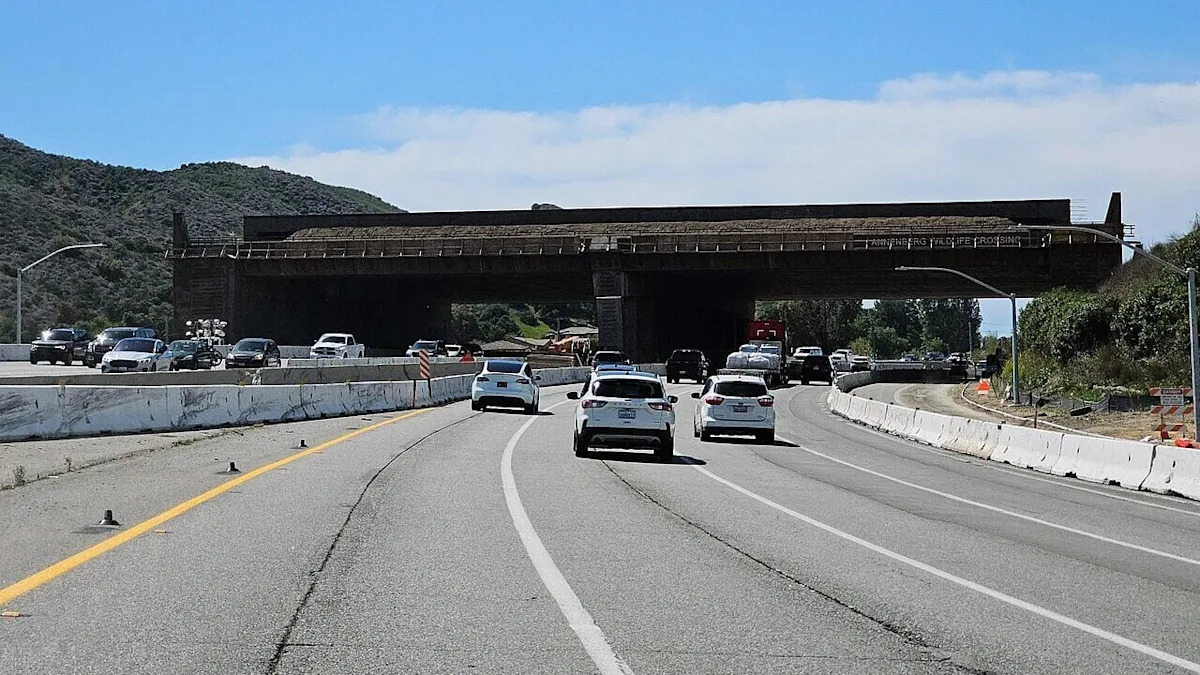
California is building a bridge that drivers will never use, yet motorists may end up benefiting from it the most. Rising above the busy lanes of US 101 in Los Angeles, the Wallis Annenberg Wildlife Crossing is not designed for traffic, commuters, or commerce. It is being built for animals. Yes, even butterflies.
The ambitious project, backed by California Governor Gavin Newsom, has drawn attention for both its purpose and its price tag. Initially estimated at 93 million dollars, the cost has now climbed to about 114 million dollars, according to reporting by the Los Angeles Times.
The state is footing roughly 77 million dollars of that total, with the rest coming from private donors.
Construction began in earnest after the project was announced in 2022, with the goal of reconnecting wildlife habitats split apart by one of the busiest highways in the United States.
The 10-lane stretch of US 101 has long acted as a barrier between the Santa Monica Mountains and nearby ranges, cutting off natural migration routes for animals ranging from mountain lions to deer and smaller species.
An Ecosystem on Top of a Freeway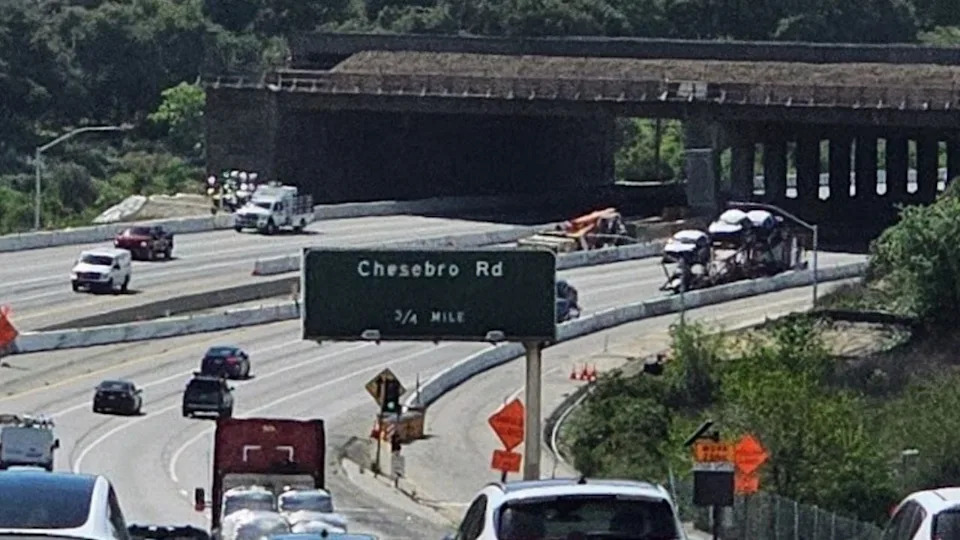
Image Credit: AragonChristopherR17Z – Own work, CC BY-SA 4.0, Wikimedia.
From the air, the crossing already looks like something out of a nature documentary rather than a piece of highway infrastructure. The main structure spans the road, topped with mounds of soil, native vegetation, and pathways carefully designed to mimic the surrounding landscape.
The idea is simple in theory but complex in execution. Animals will not cross a bare concrete bridge, so engineers and conservationists are effectively recreating an ecosystem on top of a freeway.
Yet despite the visual progress, the bridge is not ready for its intended users. It remains incomplete and currently does not connect fully to the ground on either side. That means no animal, whether a bear or a butterfly, can actually use it just yet.
The timeline has also slipped. Originally expected to open by the end of 2025, the project is now projected for completion in fall 2026.
State officials describe the crossing as an investment in both conservation and public safety. Newsom has called it an ambitious effort to bridge the gap between urban development and the natural world. By giving animals a safe passage over the highway, the project aims to reduce vehicle collisions involving wildlife, which can be dangerous and costly for drivers.
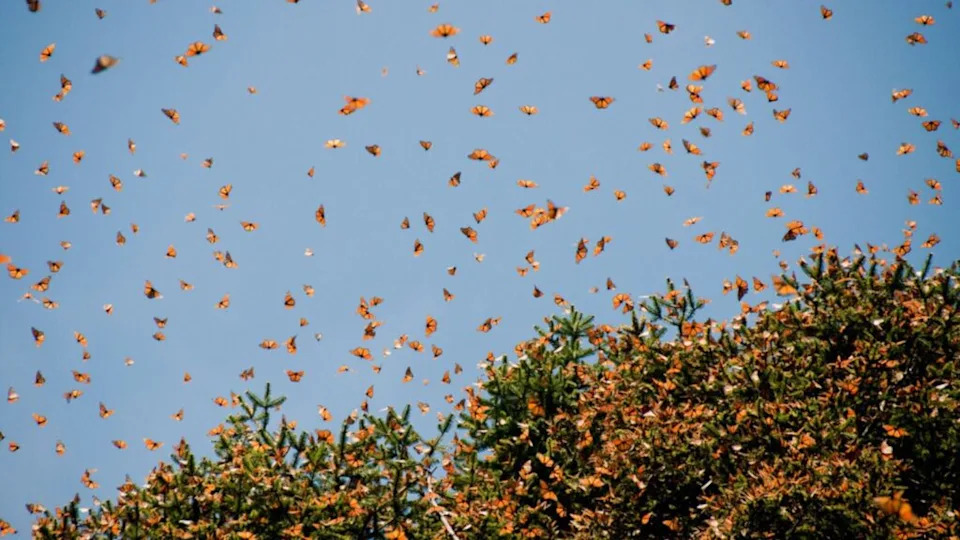
Monarch Butterfly Biosphere Reserve, Michoacan (Mexico)
There are also ecological stakes to consider. The crossing is expected to help restore genetic diversity among animal populations that have been isolated for decades. Without safe passage, species such as mountain lions risk inbreeding, which can weaken long term survival.
The bridge is intended to reverse that trend by reconnecting fragmented habitats.
A $114 Million Project Under Scrutiny
Of course, the price and delays have made it a lightning rod for criticism. Detractors question whether more than 100 million dollars should be spent on a structure that, at least on the surface, appears to serve animals rather than people.
Supporters argue that the benefits are broader than they seem, pointing to reduced accidents, healthier ecosystems, and a long-term vision for coexistence.
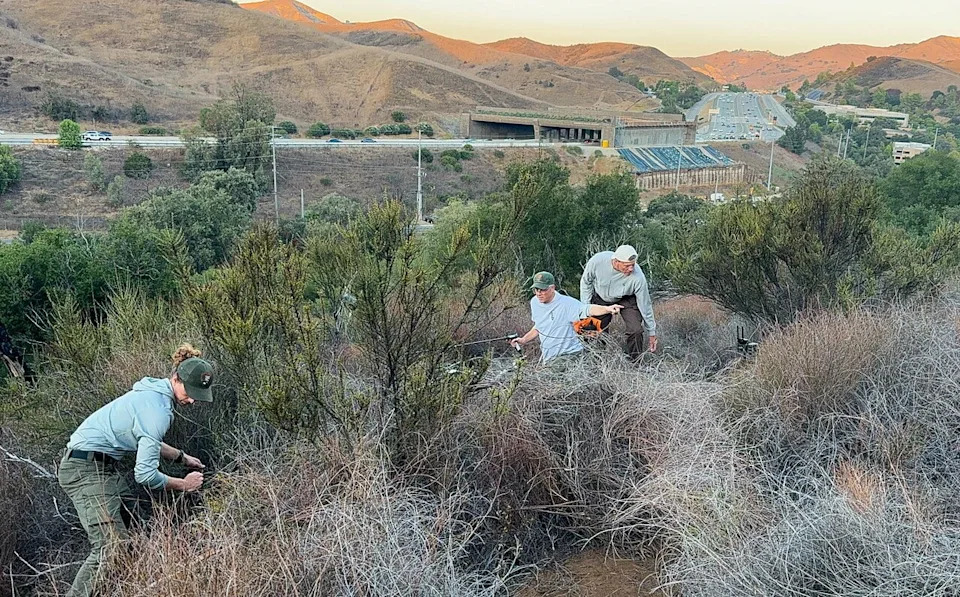
Image Credit: Santa Monica Mountains National Recreation Area – Public Domain, Wikimedia.
The cost increases have been attributed to a mix of factors, including supply chain challenges, tariffs, and the impact of wildfires, which have driven up the price of equipment and materials. Heavy rains in 2022 and 2023 also slowed construction, adding to the delays.
Work is still ongoing. Crews are building out the approaches that will connect the bridge to the surrounding land, relocating power lines underground, and drilling deep support structures to secure the crossing.
Meanwhile, conservation groups involved in the project continue to raise additional funds to maintain the habitat once the bridge is complete.
Meanwhile, the Wallis Annenberg Wildlife Crossing stands as a rare kind of infrastructure project. Humans and motorists will never use it, but it can quietly make the road safer for everyone who does.
Sources: Los Angeles Times
Read More