
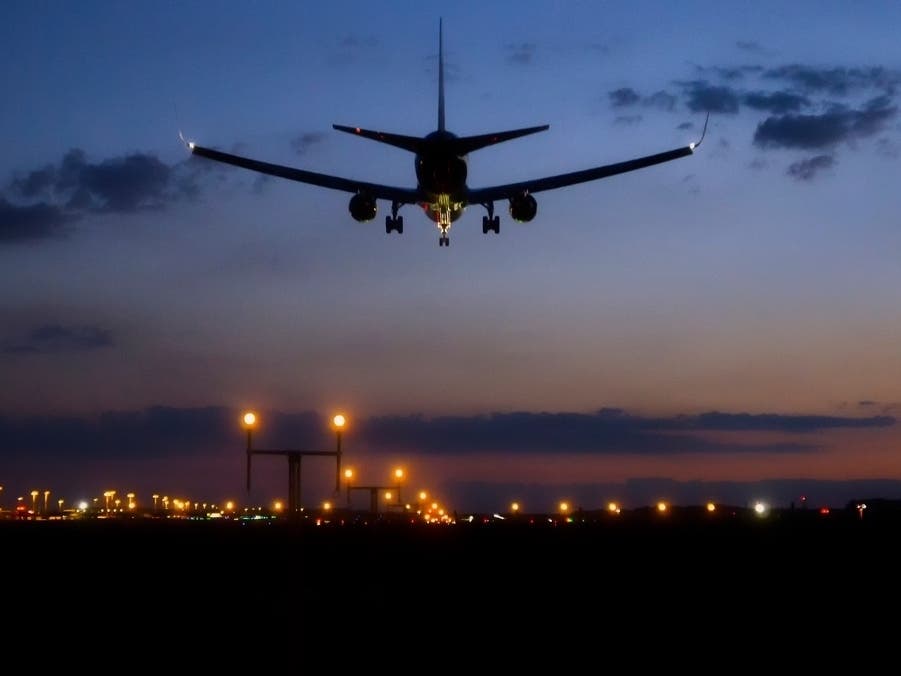
Federal authorities have flagged 34 California airports as having “hot spot” areas known for having a risk of collisions or runway confusion.
The airports listed in the most recent publication by the Federal Aviation Administration include the international airports in the Bay Area, Los Angeles and San Diego and a long list of smaller airports.
The FAA’s “airport surface hot spots” list aims to highlight known problem areas to ensure “heightened attention by pilots” and “avoid confusion, USA Today reported.
The “hot spots” concern issues including planes taxiing into the wrong taxiway, short distances between parallel runways, or pilots needing to navigate taxiways with heavy vehicle traffic.
“The FAA for many years has published a ‘hot spot’ list showing pilots where incidents have occurred on runways and taxiways at airports nationwide,” an FAA spokesperson told USA Today. “The purpose is to alert pilots to be extra attentive when operating in these locations, which are typically complex or confusing intersections.”
Los Angeles International Airport has three hot spots listed in its most recent report, San Diego International Airport has one, and San Francisco International Airport has four.
The publication of the “hot spot” document comes the same month that the FAA instituted a rule change at airports nationwide based in part on safety concerns at a California airport.
Earlier this year, the chair of the National Transportation Safety Board said Washington’s Ronald Reagan National Airport and Burbank share similar concerns about the mixing of commercial and helicopter traffic.
“I keep hearing about other areas in the airspace where they are concerned — Burbank is one where commercial airlines have called me to say the next mid-air (collision) is going to be at Burbank. And nobody at FAA is paying attention to us,” Chair Jennifer Homendy said.
Following Homendy’s comments, the FAA issued a statement insisting that it has taken steps to improve safety at airports including Burbank and Van Nuys — which are fewer than 10 miles apart and serve a mix of aircraft with closely spaced takeoff and landing paths.