
With the Santa Clara County agency that fights mosquitoes and pests facing a budget shortfall, property owners have begun voting on a new fee that officials say will allow them to combat rising threats from invasive mosquitoes that can carry deadly diseases.
“It’s our mission to protect public health, our revenues have not kept up with our costs … and we’re facing this significant new challenge (that) represents the introduction of this new public health threat to our community,” said Taylor Kelly, Scientific-Technical Services Manager of the Mosquito and Vector Control District.
Even so, those opposed say the fee would constitute an added burden to property owners across the county. The fees are expected to generate over $8.5 million annually in revenue for the district.
The Santa Clara County Mosquito and Vector Control District works to prevent illness by monitoring and controlling the populations of pests that carry disease. It tracks diseases that are carried by pests like West Nile Virus or ticks that carry Lyme disease. It also helps to limit those pests through programs like spraying pesticides to control mosquito populations and responding to concerns about mosquitos, rodents and wasp removal.
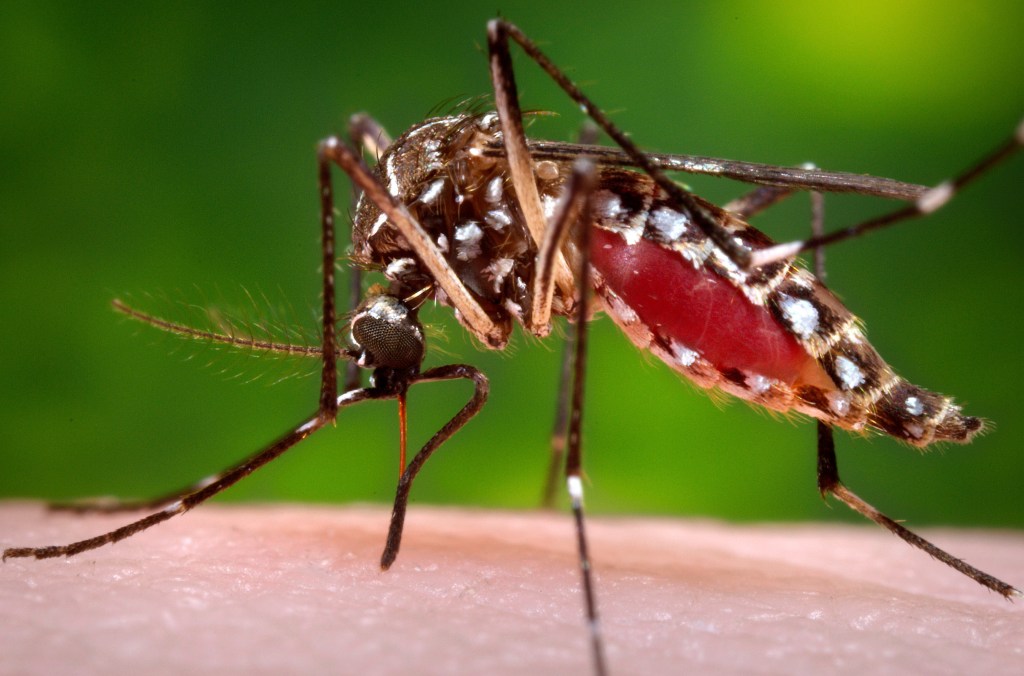
The most recent threat to the county: Aedes aegypti, an invasive mosquito that can carry diseases such as dengue, yellow fever – which can be deadly – and Zika, which can lead to serious birth defects. The insect is also aggressive – often biting the same person multiple times, and unlike native mosquitoes — which are most active in the morning and evening — the invasive pest bites throughout the day. The Aedes aegypti mosquitos were first found in San Jose in 2022, and have since been spotted in cities throughout the county including Milpitas and Gilroy.
Elsewhere in the state, the mosquito has established populations and resulted in cases of dengue acquired locally in California.
“If you look at the statewide situation, it’s spreading rapidly and it’s a real concern,” said Kelly.
The district also has seen an increase in calls for service, which jumped by more than 20% from 2023 to 2024. Despite the increase in demand, the district has seen little increase in funding, so as a result has instituted cost-cutting measures such as delaying hires and equipment updates.
Because the organization is a special district, it does not receive funding directly from the county, and currently the only funding it receives is from fees that are appended to property taxes.
Funds raised by the proposed new fee would be used exclusively by the district. Without the fee, officials say they could face a $3 million dollar deficit on a budget of approximately $11 million, and would be forced to cut services and positions, slowing their response times to public health concerns. That timing can be “critical,” health officials say, as any delays would allow invasive species to establish more rapidly.
“The most important part is that we’re jeopardizing the public health of the community by not being able to be responsive to threats,” said Consumer and Environmental Protection Agency Director Edgar Nolasco of the potential cuts.
To avoid the cuts, the district has proposed a fee increase on a ballot sent last week to property owners throughout the county and its cities. The additional charge would appear on property owners’ property tax bills, and cost approximately $16 a year for a single family home and around $10 a year for a condo. Pricing for multi-family apartments would be based on the number of units and on acreage for other properties.
Despite the dire warnings, some argue that the situation doesn’t merit additional fees. David Johnson, Chairman of the Santa Clara County Republic Party, argued that the mosquitoes were “not a problem.” And though he supported the educational efforts to help reduce mosquitoes, the county should “start with some fiscal accountability.”
“We’re already at the highest level,” said Johnson of local taxation. “It’s so burdensome – no one can afford it.”
The county must receive ballots by May 19, and property owners can hand-deliver the ballots or mail them in.
A full list of prices and more information on the district and the fee are available at stopmosquitoes.org/funding under “Frequently Asked Questions.”