

Kern County plays a pivotal role in California’s agricultural prominence, boasting a produce industry valued at nearly $8 billion according to the county’s official 2024 report. Nearly two-thirds of this value is generated by citrus, grapes, and carrots, as well as almonds and pistachios.
Although 2024 numbers remain robust, they represent a decrease from 2023 due to loss of acreage. The county is no stranger to adverse weather either, though this isn’t new to growers in the area.
“Some of the later rains affected our production, but nothing major,” shares John Harley, vice president of sales and marketing for Anthony Vineyards, Inc. BB #:111344 in Bakersfield. “Fortunately for us, much of it was outside of Kern Country in the north and we’re in the South.
“We had some additional costs because of post-rain measures,” he admits, but it could have been worse. “We didn’t have increases in insect spray or mildew issues, which was good.”
Others, like colleague Rob Spinelli, sales manager for Anthony Vineyards in Coachella, are more worried about the weather prospects ahead.
“March and April are crucial timeframes for us,” he stresses, noting cold snaps, a freeze, or even rain can affect bud break.
“Overall, we need constant high temps from here on out to have a good growing season.”
“Overall, we need constant high temps from here on out to have a good growing season,” Spinelli explains. “In 2024, we had an excessive heatwave in July that really stressed the vineyard. We can’t have those types of days.”
The county experienced a range of extreme weather from late-winter storms, late summer dust storms, and flash floods all through November last year with record rainfall. Then there was the widely reported tule fog that arrived, resulting in unseasonably low temperatures in the southern reaches of the valley.
Challenges Old and New
While Mother Nature creates challenges every season, Bakersfield and Kern County continue to face manmade obstacles including the allocation of water and availability of labor.
“Obviously the water situation is getting dicey,” comments Harley, “not because of shortages but regulation.” He is not impressed with how the state is dealing with the situation.
“Our state government has done a less-than-great job with water resources with regard to planning for the future,” he observes. “They already have seed money that’s been collected and earmarked for water storage and new dams, then defer them to other areas.”
Lou Harmon, in sales for grower and distributor Billingsley Produce Sales, Inc. BB #:131780, headquartered in Bakersfield, agrees, calling out the state government’s water policies as “horrible” and making everything more difficult than necessary.
“For years we should have had a peripheral canal, which my dad spoke about in the 1970s when we needed it, but the state has been dumping water in the ocean instead of providing food for people and water for their homes.”
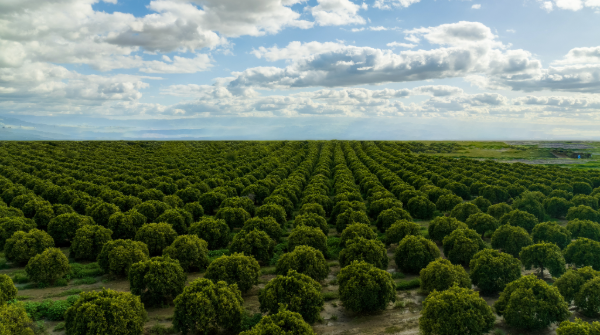 FroZone/Adobe Stock
As far as labor is concerned, fear and border patrol sweeps are having an impact on foreign workers for some growers.
“We weren’t really affected because we start so early,” Harley says. “Our labor starts in May and moves up the state with us,” he explains.
“We’re the earliest start in the San Joaquin Valley—we start in the later part of June with regard to grape production,” he adds. “We lock in our labor and they stay with us all through the season.”
Spinelli offered a different approach to resolving the labor shortages. “One of the issues is that if you let a crew go for a week you might not get them back because others might pick them up and give them weekly work.
“So you need to be strategic—because if you don’t plan ahead you’ll have a shortage. Everyone wants to work a full shift but if you don’t pay the workers their due, they will leave or go elsewhere.”
“There’s a market for both organic and conventional.”
Is the Future More Organics?
Kern County prides itself as being one of California’s more prominent organic producers, and with rising demand, more area growers are investing in organic crops for the future.
“There’s a market for both organic and conventional,” Harley says, mentioning customers who deal in both. Those who regularly handle organic will always seek these items, however, since their customers want them.
Anthony Vineyards continues to transition more conventional varieties to its organic program. Harley says the transition takes about four years to complete. “We’re in this process on a yearly basis at a rate of 200 acres a year.”
Spinelli adds, “Planning and transition can take years, and it takes money and time to plan for new varieties and vineyards. We need to look ahead and find new varieties we can either grow organically, or the consumer and retail chains would like.
“Right now the trend is 60 to 65 percent green grapes compared to 35 percent red grapes and the other grapes are 5 percent or less for retailers. I contribute this to the new varieties of grapes we harvest on the vine all the way up until November instead of keeping it in cold storage.”