
(How did Death Valley get its name? Not from the heat.)
Given the multiple variables involved, superblooms are both rare and difficult to predict, with experts sometimes not realizing parks have reached the peak of their blooms until they’ve passed. Though the uncertainty of wildflower season can make it tough to plan ahead, Tilford sees it as part of what makes a superbloom so special.
“You’ve got to just seize the moment,” she says.

For curious minds of all ages
Subscriptions starting at $39/year
The science behind the bloom
While wildflowers are a regular feature when winter cedes to spring in California, superblooms rely on a unique combination of conditions to thrive. In general, repeated bouts of soaking rain in the fall and winter followed by an abundance of sunshine and warmth will encourage wildflower seeds to sprout. If any of those elements are lacking, the seeds might remain dormant instead, holding out hope for a future year.
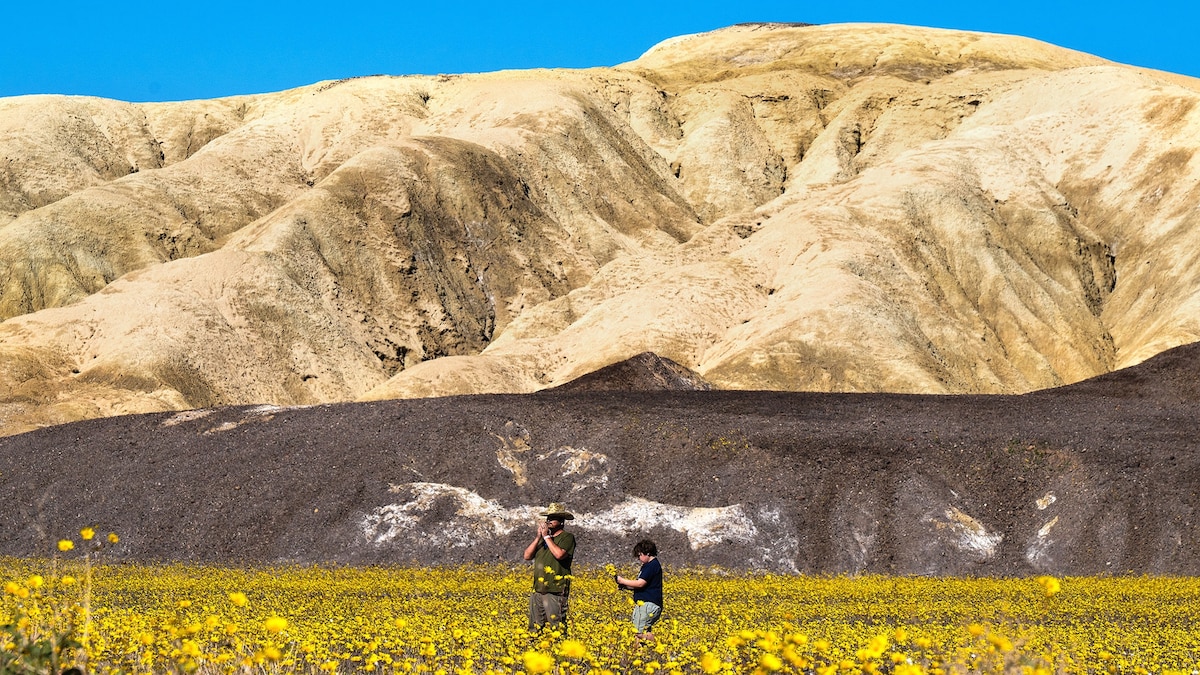
Beyond the basics, different species have their own ideal sprouting scenarios. For example, in Death Valley, flowers like the desert gold will only survive if they have all of these ingredients and if the wind cooperates, as frequent windstorms can cut a promising bloom short, damaging or drying out sprouts. And the namesake poppies of the Antelope Valley California Poppy Reserve enjoy a snowfall during their development, according to California State Parks interpreter Lori Wear.