
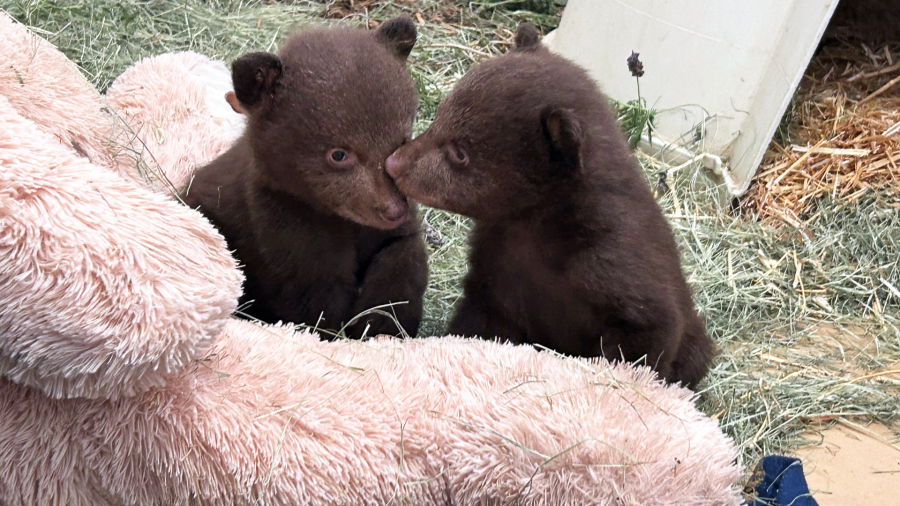
The two cubs of a black bear who had to be euthanized due to public safety concerns are getting specialized care at a local wildlife facility with the hopes that they can be returned to the wild.
The two black bear cubs were brought to the San Diego Humane Society’s Ramona Wildlife Center just over a week ago, Ramona Wildlife Center officials said in a media release. The cubs’ arrival followed a decision by the California Department of Fish and Wildlife (CDFW) to euthanize their mother — known in the community as “Blondie” — after DNA testing confirmed she was involved in two separate public safety incidents in the Monrovia area within the last year. She also got close to KTLA 5’s Erin Myers while she was reporting on bear activity in the foothills east of Los Angeles earlier this month.
Some local community members protested the euthanasia, asking why relocation wasn’t an option.
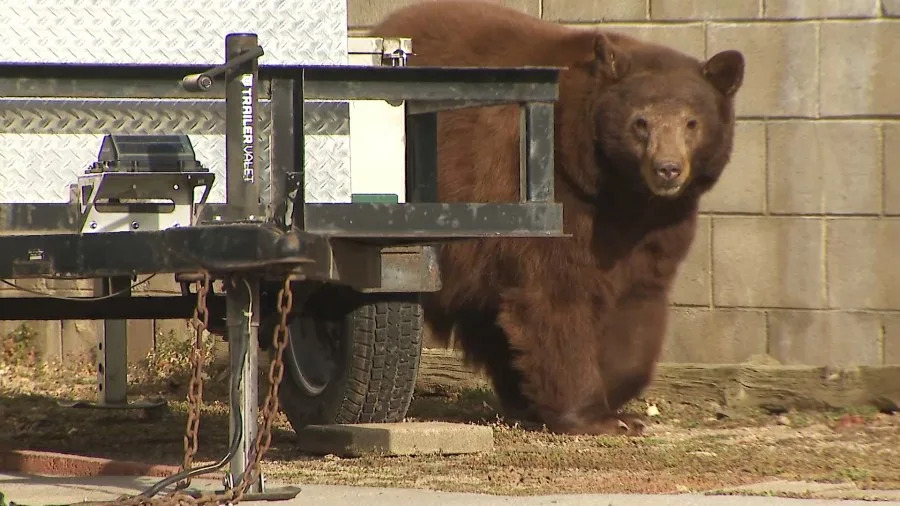
Blondie, an adult female black bear, appeared during a live news broadcast on KTLA in March 2026. (KTLA)

Blondie, an adult female black bear, appeared during a live news report with KTLA’s Erin Myers. March 2026. (KTLA)
According to humane society officials, raising cubs from such a young age — they are estimated to be two to three months old — will require “extraordinary amounts of time, expertise and resources” as it is key that they avoid human interaction. To avoid habituation, staff are using bear masks, animal furs and scents to conceal their human identities during care.
Monrovia bear Blondie euthanized: What happened and why officials acted
“The rehabilitation of orphaned cubs like these is not only important for the individual animals involved, but also for helping interrupt a dangerous generational cycle of habituation and conflict. Mother bears teach their cubs how to survive by modeling behavior,” the humane society explained. “When bears learn to seek out food or shelter around people, cubs can also learn to associate homes and neighborhoods with resources, increasing the likelihood of future human-wildlife conflict.”
CFDW South Coast Region and Inland Deserts Region Information Officer Cort Klopping noted that situations such as these “underscore the importance of prevention and shared responsibility.”
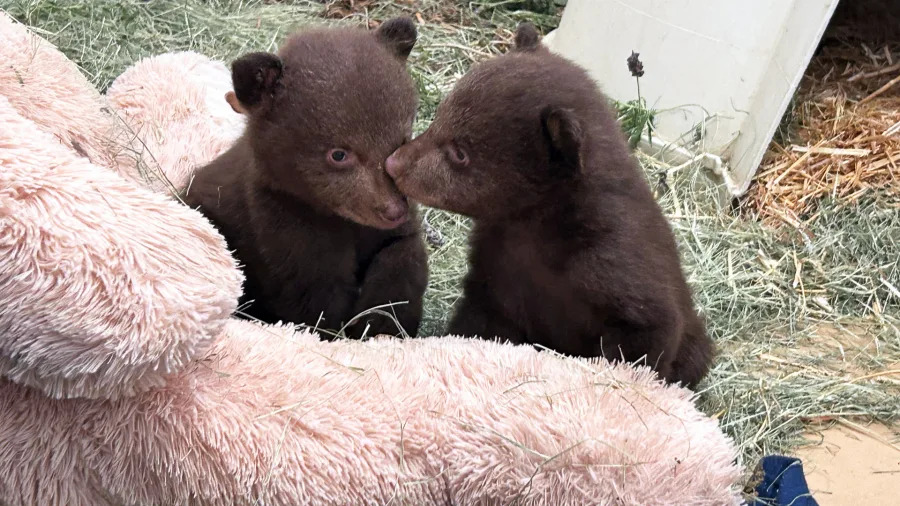
Cubs of euthanized sow receiving specialized care at Southern California wildlife facility. (Photo courtesy: San Diego Humane)
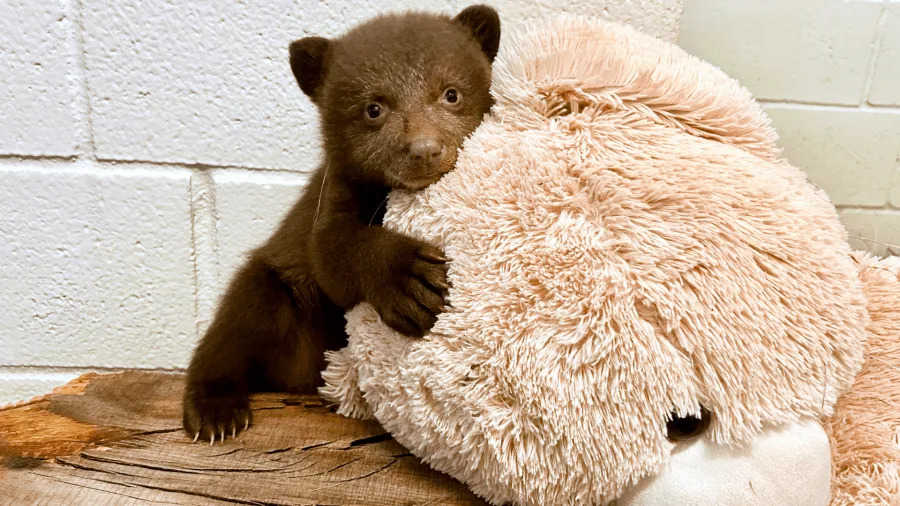
Cubs of euthanized sow receiving specialized care at Southern California wildlife facility. (Photo courtesy: San Diego Humane)
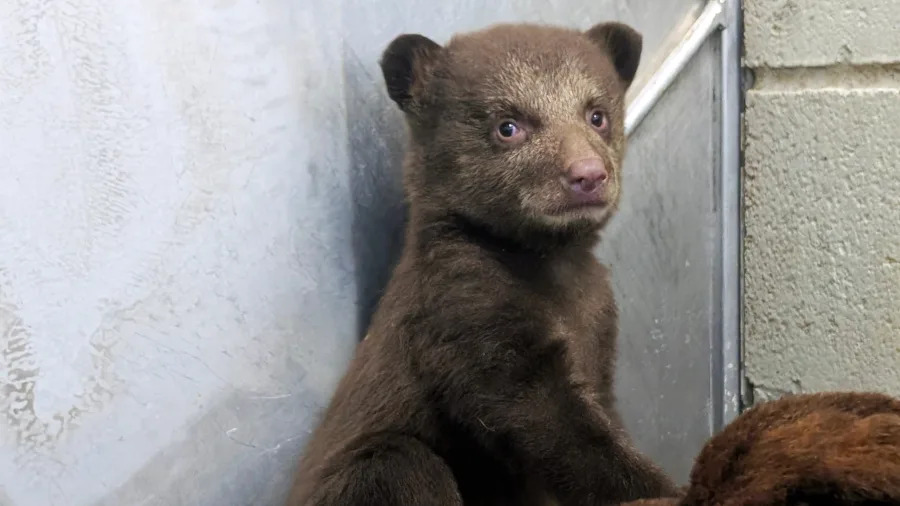
Cubs of euthanized sow receiving specialized care at Southern California wildlife facility. (Photo courtesy: San Diego Humane)
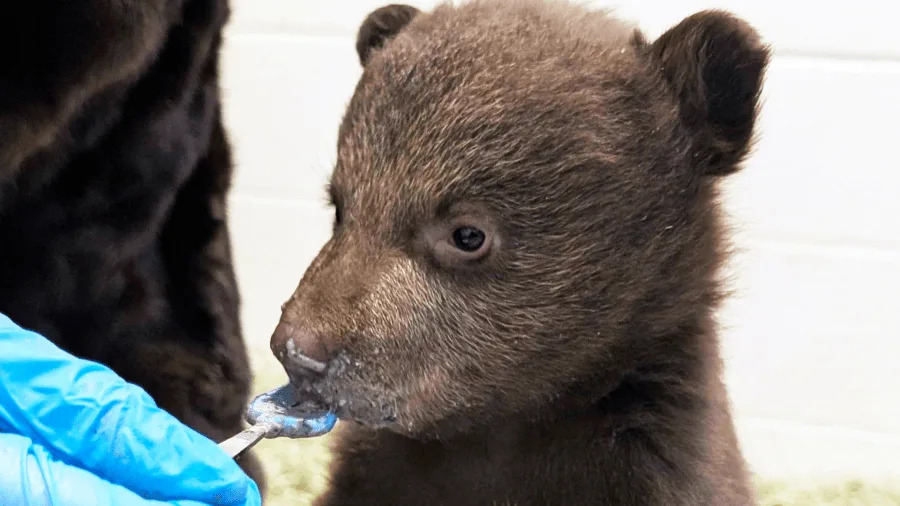
Cubs of euthanized sow receiving specialized care at Southern California wildlife facility. (Photo courtesy: San Diego Humane)
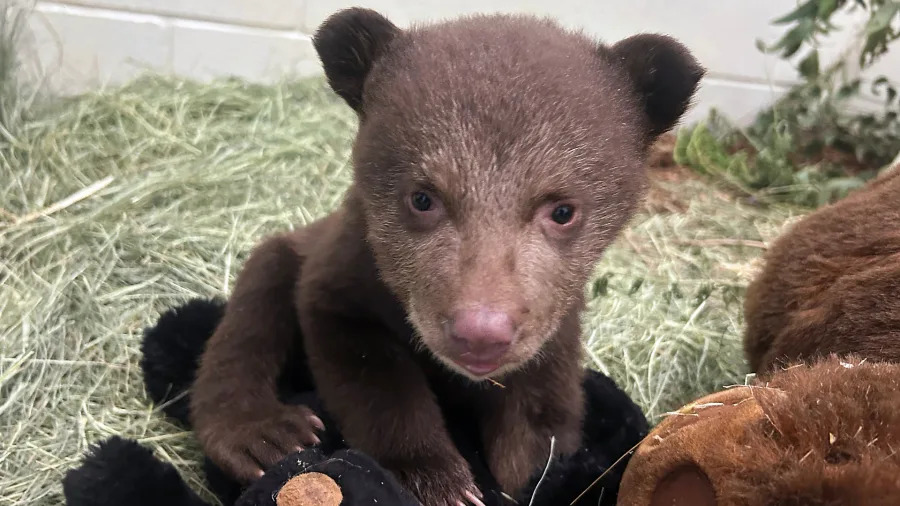
Cubs of euthanized sow receiving specialized care at Southern California wildlife facility. (Photo courtesy: San Diego Humane)
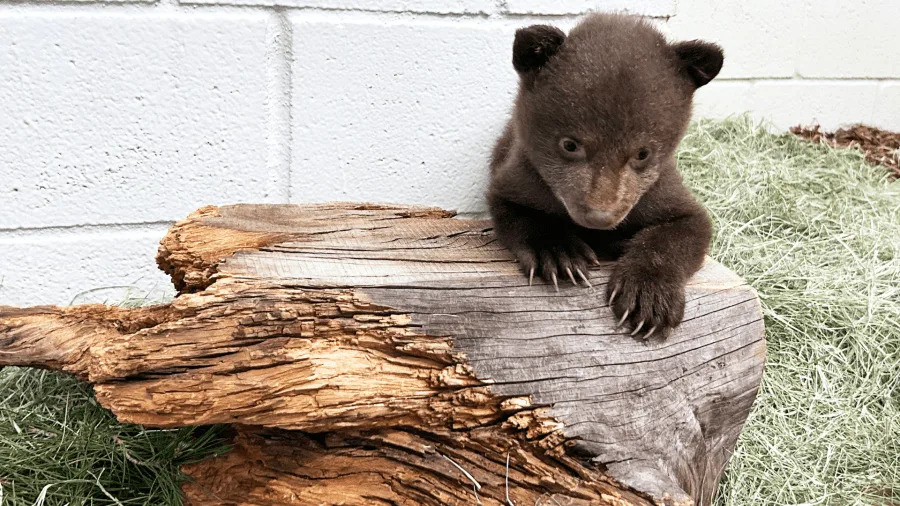
Cubs of euthanized sow receiving specialized care at Southern California wildlife facility. (Photo courtesy: San Diego Humane)
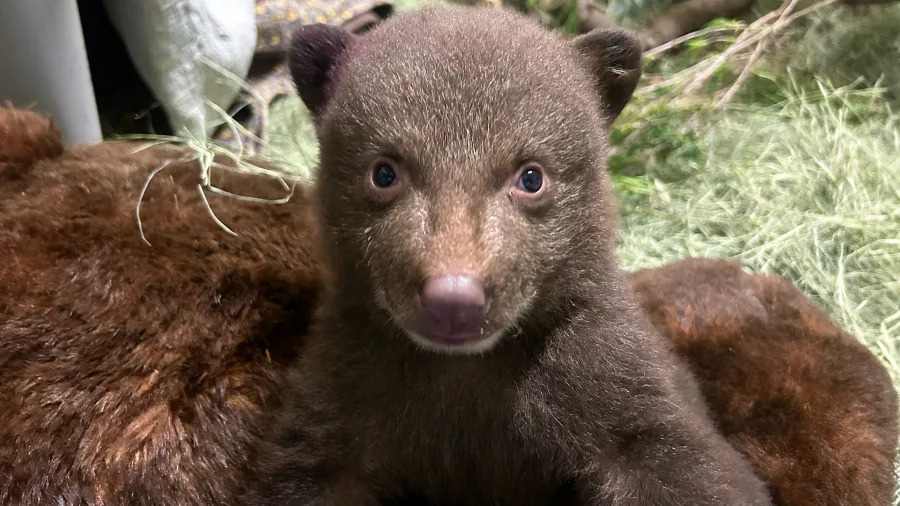
Cubs of euthanized sow receiving specialized care at Southern California wildlife facility. (Photo courtesy: San Diego Humane)
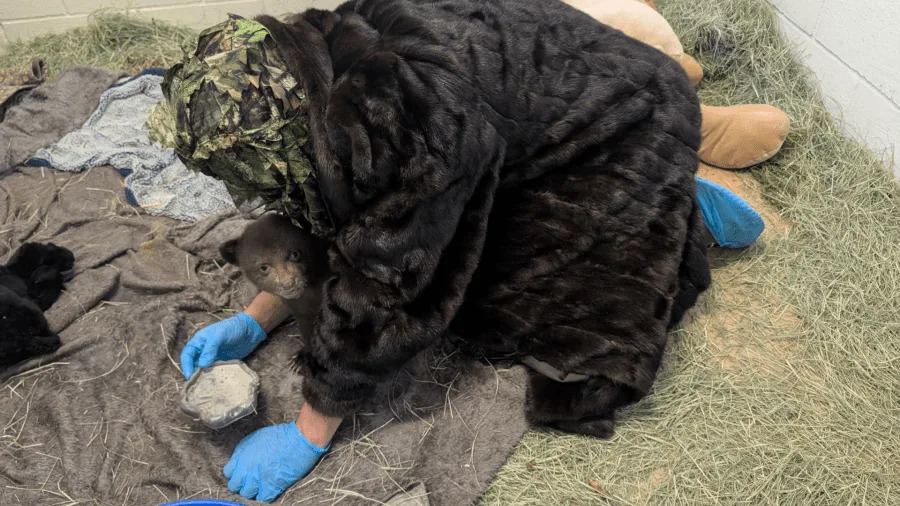
Cubs of euthanized sow receiving specialized care at Southern California wildlife facility. (Photo courtesy: San Diego Humane)
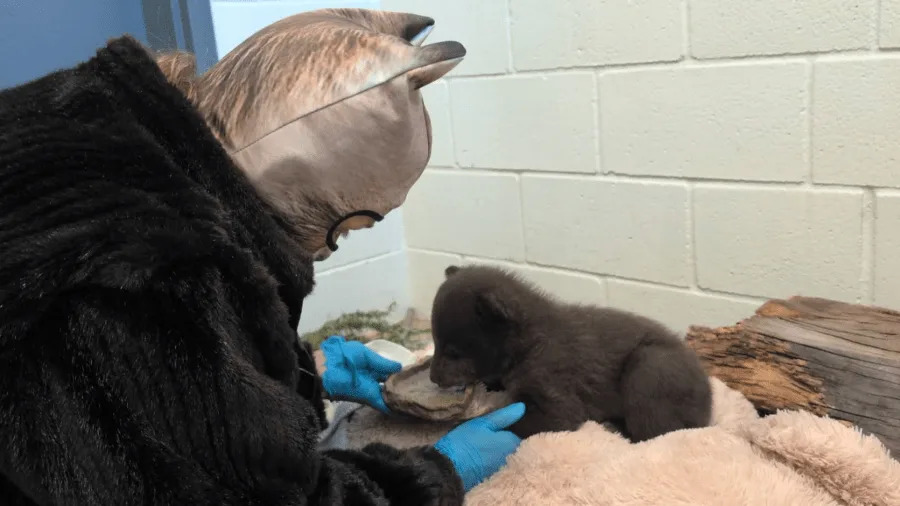
Cubs of euthanized sow receiving specialized care at Southern California wildlife facility. (Photo courtesy: San Diego Humane)
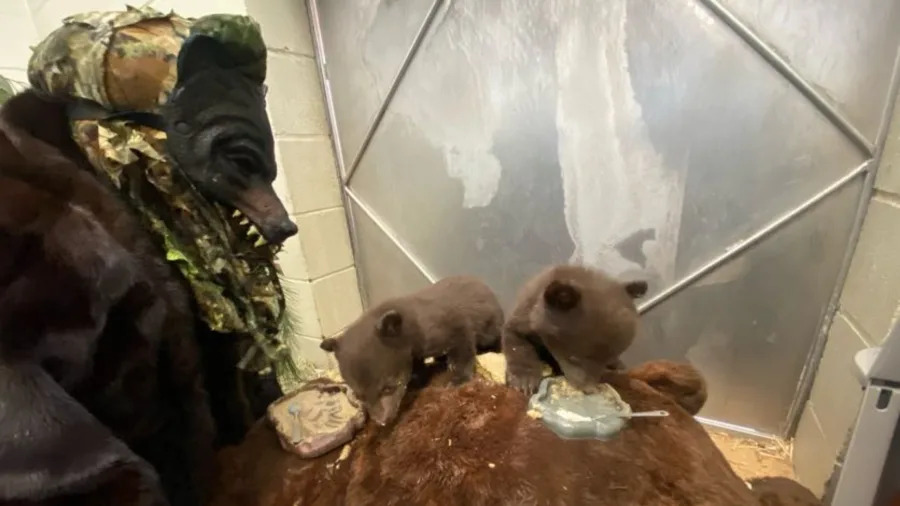
Cubs of euthanized sow receiving specialized care at Southern California wildlife facility. (Photo courtesy: San Diego Humane)
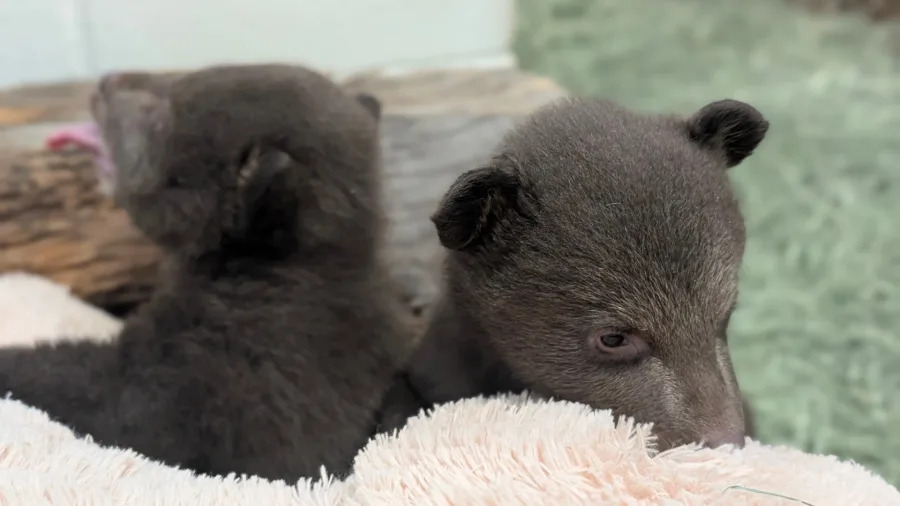
Cubs of euthanized sow receiving specialized care at Southern California wildlife facility. (Photo courtesy: San Diego Humane)
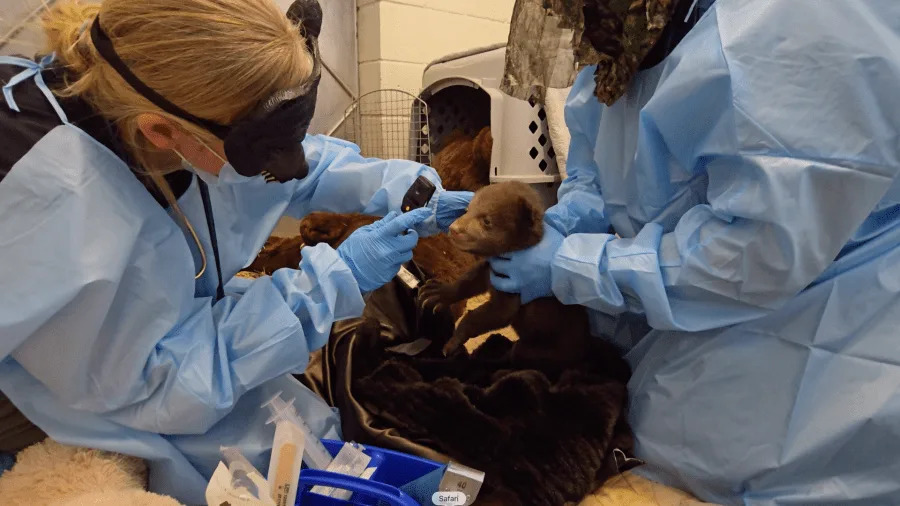
Cubs of euthanized sow receiving specialized care at Southern California wildlife facility. (Photo courtesy: San Diego Humane)
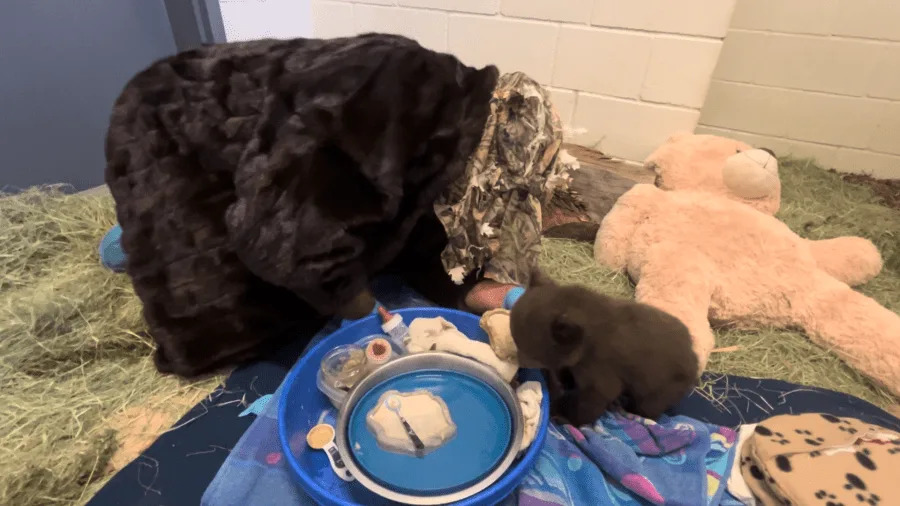
Cubs of euthanized sow receiving specialized care at Southern California wildlife facility. (Photo courtesy: San Diego Humane)
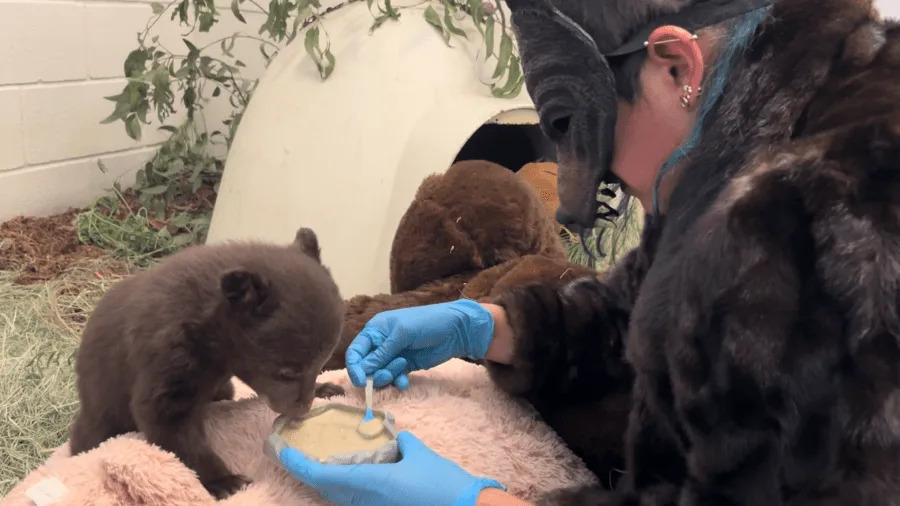
Cubs of euthanized sow receiving specialized care at Southern California wildlife facility. (Photo courtesy: San Diego Humane)
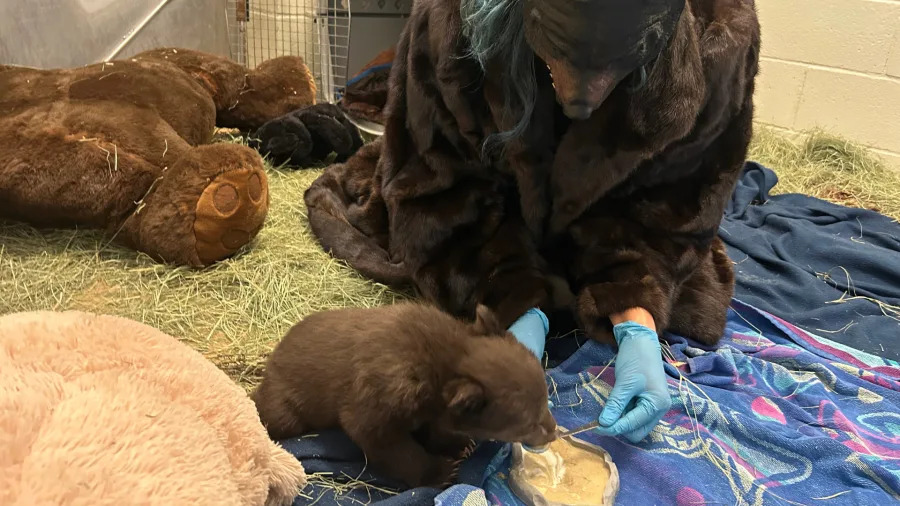
Cubs of euthanized sow receiving specialized care at Southern California wildlife facility. (Photo courtesy: San Diego Humane)
“Bears are highly adaptable and will seek out food and shelter when opportunities are present,” Klopping said. “Securing crawl spaces, removing food attractants such as unsecured trash or pet food and eliminating access to sheltered areas around homes are critical steps residents must take to reduce the likelihood of conflict behaviors and habituation to people.”
“These actions help keep both people and wildlife safe and bears wild,” Klopping added.
The humane society did not provide a timeframe as to when the bear cubs could be released back into the wild.
The black bear (Ursus americanus) is the only bear species living in California today, according to the CDFW.
Copyright 2026 Nexstar Media, Inc. All rights reserved. This material may not be published, broadcast, rewritten, or redistributed.
For the latest news, weather, sports, and streaming video, head to KTLA.