
Home » CRUISE NEWS » Long Beach Tourism in Turmoil: Carnival Cruise Cancellations Spark Economic Anxiety
Published on
March 26, 2026
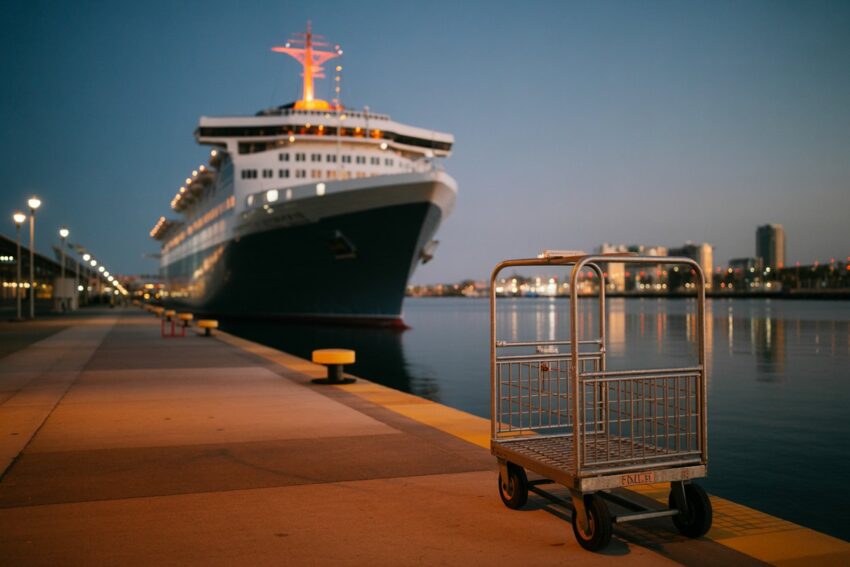
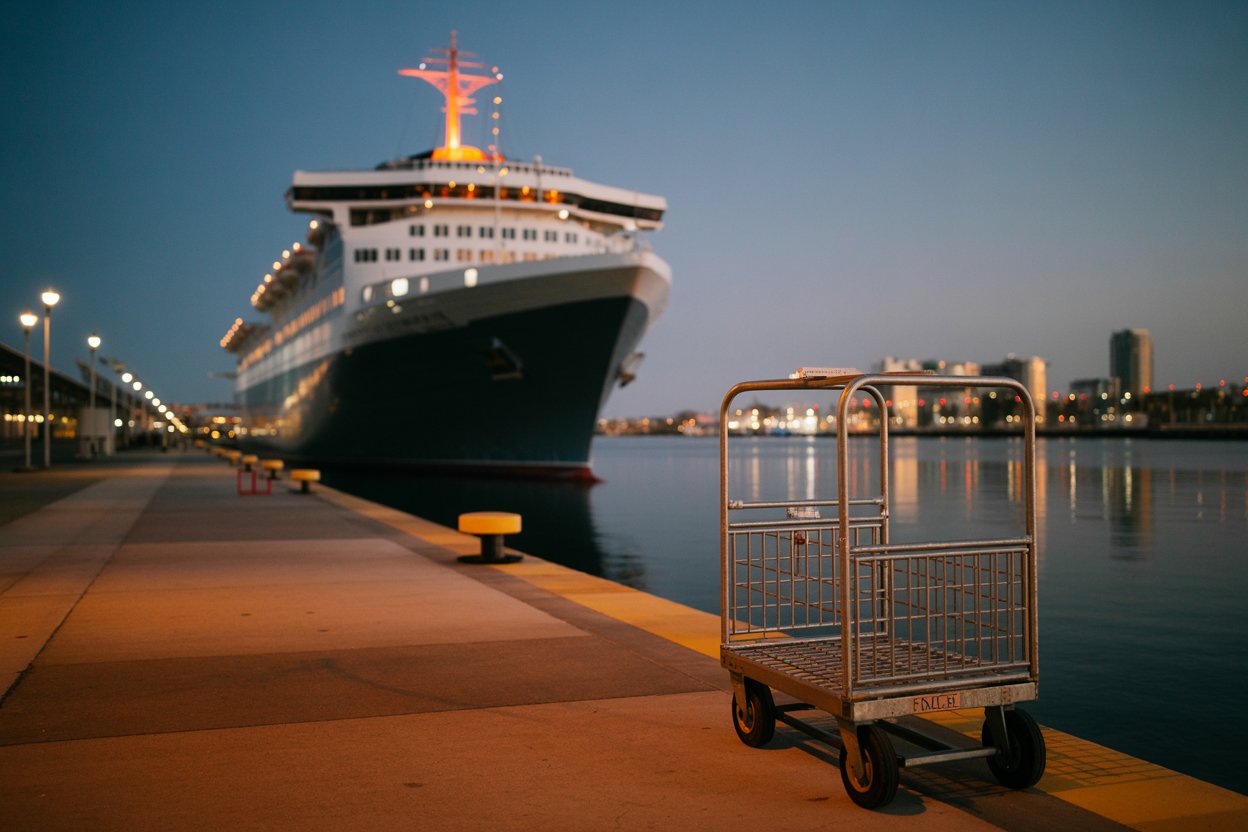
Image generated with Ai
For the city of Long Beach, California, the steady hum of a cruise ship engine is more than just a sound; it is the heartbeat of a thriving local economy. On any given weekend, thousands of travelers descend upon the Port of Long Beach, suitcases in hand, ready to embark on a Pacific getaway. They buy coffee at local cafes, book rooms at the historic Queen Mary, and dine at Shoreline Village.
However, as of late March 2026, that heartbeat has skipped a beat. A series of unexpected cancellations by Carnival Cruise Line has left the city’s tourism sector grappling with a sudden, silent vacuum. What began as a logistical adjustment has snowballed into a period of deep economic and tourism uncertainty for one of California’s most iconic waterfronts.
The Scale of the Departure
The disruption centers on several scheduled sailings of the Carnival Panorama and Carnival Radiance. While the cruise line has cited “operational adjustments” and “regional logistical challenges” as the primary reasons for the March 2026 cancellations, the explanation offers little comfort to the thousands of displaced passengers or the local businesses that rely on their presence.
Long Beach serves as a primary West Coast hub for Carnival. When a ship the size of the Panorama—which carries nearly 4,000 passengers—fails to dock, the loss isn’t just felt on the ship’s manifest. It ripples through the parking structures, the shuttle services, and the hundreds of hospitality workers whose shifts depend on a full terminal.
Advertisement
Advertisement
The Ripple Effect: From the Queen Mary to Pine Avenue
To understand the gravity of these cancellations, one must look at the “cruise ecosystem” of Long Beach. Tourism officials estimate that a single cruise ship visit generates hundreds of thousands of dollars in local economic activity.
The Hospitality Hit: Many passengers arrive a day early or stay a day late. The historic Queen Mary, permanently docked alongside the cruise terminal, often serves as the “pre-cruise” hotel of choice. With thousands of cancellations, the hotel and its surrounding attractions face a sudden drop in occupancy that is difficult to fill on short notice.Small Business Strain: On Pine Avenue and at the Pike Outlets, business owners are feeling the pinch. “The cruise crowd is our bread and butter,” says one local café owner. “They come in for a quick breakfast before heading to the terminal. When the ships aren’t moving, the street feels empty.”Municipal Revenue: The City of Long Beach relies on passenger fees and transit taxes to fund waterfront improvements and public services. A prolonged period of cancellations could lead to a significant shortfall in the city’s projected 2026 tourism budget.A Human Perspective: Dreams Deferred
Beyond the data and the “economic impact reports” are the people. For many travelers, a Carnival cruise out of Long Beach is an accessible luxury—a hard-earned family vacation or a milestone anniversary celebration.
Advertisement
Advertisement
Social media groups are currently flooded with stories of families who had saved for years, only to receive a cancellation notice just days before departure. While Carnival has offered future cruise credits and refunds, the collateral costs—non-refundable airfare to LAX, pre-booked hotel stays, and time off work—are often lost forever.
The frustration is mutual for the port’s workforce. Longshoremen, security personnel, and terminal staff are facing reduced hours. For these workers, a “logistical adjustment” by a major corporation translates directly to a smaller paycheck at the end of the month.
Advertisement
Advertisement
Navigating the Uncertainty: What Lies Ahead?
The big question facing Long Beach is: Is this a temporary glitch or a sign of a shifting tide?
Industry analysts suggest that the cruise industry is currently navigating a complex “re-balancing” phase in 2026. Fluctuating fuel prices and a renewed focus on environmental regulations in California ports are forcing cruise lines to rethink their West Coast schedules. Long Beach, while a premier destination, must compete with other regional hubs that may offer different incentives.
However, Long Beach is not a city that sits idly by. The Long Beach Convention & Visitors Bureau is already pivoting, launching “Staycation” campaigns to encourage Southern California residents to fill the gap left by cruise passengers. There is a push to market the city’s burgeoning arts scene and the newly renovated waterfront parks as standalone destinations that don’t require a boarding pass to enjoy.
The Path to Recovery
For the local economy to stabilize, transparency from Carnival Cruise Line is essential. Business owners need a predictable schedule to manage staffing and inventory. Meanwhile, the city is looking toward the summer of 2026 with cautious optimism, hoping that the “operational challenges” of March will pave the way for a more robust and reliable docking schedule in the months to come.
Long Beach remains a resilient maritime city. From its days as a naval powerhouse to its current status as a tourism gem, it has weathered storms before. But as the fog rolls into the harbor this week, the empty berths at the cruise terminal serve as a stark reminder of how closely the city’s fortune is tied to the giant white ships that call it home.
Advertisement
Advertisement
