
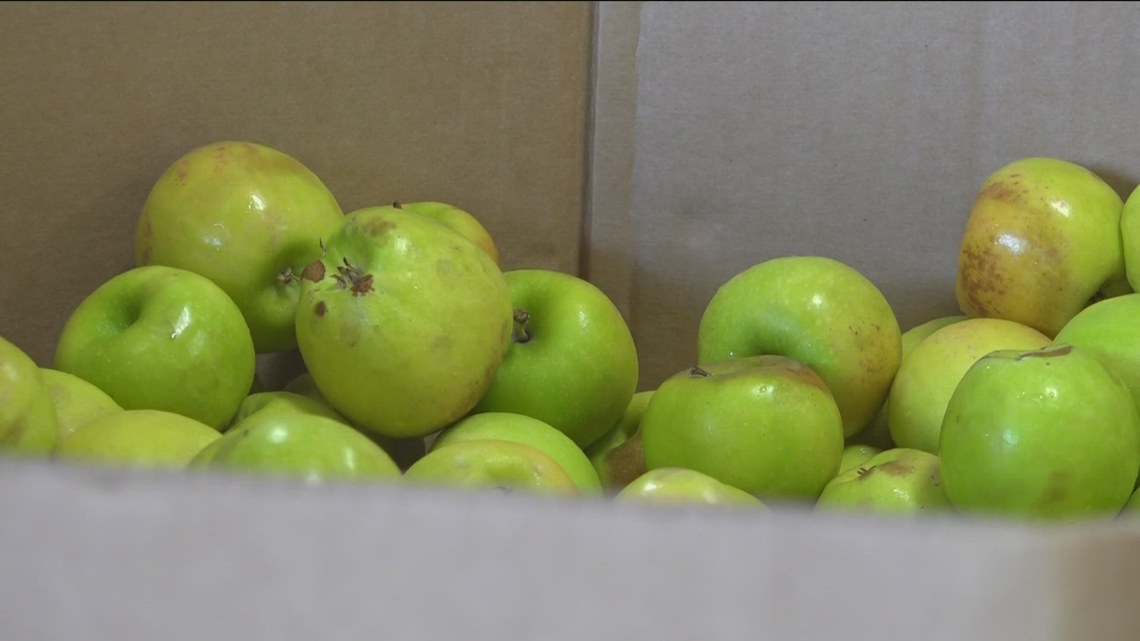
The cuts are part of the ‘Big Beautiful Bill’ signed by President Trump last summer.
SAN DIEGO COUNTY, Calif. — Starting April 1, thousands of San Diego County residents will lose their CalFresh food assistance benefits as part of the “Big Beautiful Bill,” signed by President Trump back in July. Local organizations are mobilizing food distribution efforts across the region in response.
The change will affect approximately 13,000 people in San Diego County who belong to specific non-citizen groups, including refugees, asylees, humanitarian parolees, trafficking victims and people with deportation withheld. Beginning June 1, an additional policy shift will require some adult CalFresh recipients to work 80 hours a month or participate in training or volunteer programs to maintain their benefits. County officials estimate that both changes combined could affect more than 100,000 people.
The San Diego Food Bank distributes supplies to hundreds of thousands of San Diegans annually. “We serve over 450 nonprofit partners in San Diego County that have feeding programs. We supply the food for their programs throughout the county,” said San Diego Food Bank CEO, Casey Castillo.
Last year, the Food Bank distributed 53 million pounds of food. The organization expects that distribution number to grow significantly starting April 1, when certain non-citizen groups will no longer qualify for CalFresh.
“There are roughly 400,000 people in San Diego County on food stamps. This particular requirement will impact about 13,000 people here in the county,” said Castillo.
The organization stands ready to address the challenge ahead. “We exist for challenges just like this, and we’re able to mobilize quickly. We have been preparing,” said Castillo.
Feeding San Diego is also preparing for increased demand. Spokesperson Carissa Casares notes that benefits won’t disappear immediately — only when people renew — but the need will still increase.
“It’s unprecedented, and we’re expecting to see more people at all phases of this rollout coming to Feeding San Diego needing food assistance,” said Casares.
County leaders are working to alert those affected. Residents who believe they may lose benefits should contact Feeding San Diego or the San Diego Food Bank. Both organizations can connect people with food distributions in their area and other resources.
Nonprofits say no one will be turned away. St. Andrew’s Episcopal Church in Encinitas opens its public pantry every Thursday at 2 p.m. “We’ve seen a significant increase in the number of families coming to us, which is fabulous. We want to provide them with high-quality, nutritious food for their families,” said Cynthia Highgold from St. Andrew’s Episcopal Church in Encinitas.