
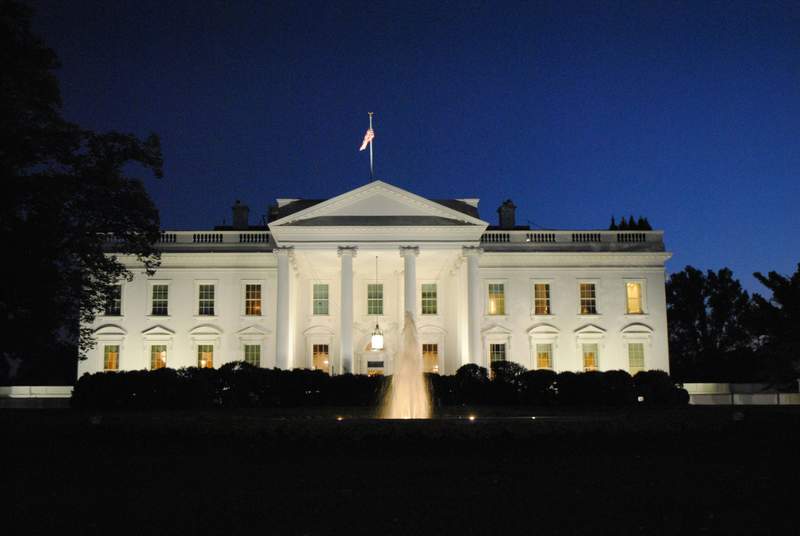
The White House has pushed back against reports suggesting there’s a potential Iranian drone threat targeting California, stating that there is no credible danger to the U.S. homeland.
Press Secretary Karoline Leavitt said that claims of the “threat” stemmed from an unverified FBI tip that was mischaracterized in media coverage.
The clarification came amid heightened tensions following U.S. and Israeli strikes on Iran, which have raised concerns about possible retaliation.
What the FBI alert said
The FBI received information that suggested Iran may have considered launching unmanned aerial vehicles from a vessel off the U.S. coast, potentially aimed at California. By: Unsplash
According to the alert, the FBI received information in early February that suggested Iran may have considered launching unmanned aerial vehicles from a vessel off the U.S. coast, potentially aimed at California. However, the bulletin stressed that authorities had no details on timing, targets or methods and described the intelligence as uncorroborated. The FBI noted the information was “unverified,” according to Assistant DirectorBen Williamson. The advisory reportedly urged law enforcement agencies to maintain awareness but did not identify a specific operational threat. While separate reports also indicated that federal agencies had intercepted encrypted communications possibly linked to Iran, these too were not tied to a confirmed plot.
Media coverage based on the FBI alert
Leavitt directly challenged a report by ABC News, accusing it of misrepresenting the nature of the FBI alert sent to California law enforcement. By: MEGA
Leavitt directly challenged a report by ABC News, accusing it of misrepresenting the nature of the FBI alert sent to California law enforcement. “This post and story should be immediately retracted … for providing false information to intentionally alarm the American people,” she wrote. She further said that the report was based on “one email … about a single, unverified tip” and added that the message itself acknowledged the intelligence was not confirmed. “Yet ABC News left out this critical fact in their story! WHY?” she wrote. “No such threat from Iran to our homeland exists, and it never did,” Leavitt concluded.
California officials respond cautiously to the alert
California Governor Gavin Newsom said he was ‘not aware of any imminent threats at this time,’ while noting the state remains prepared to respond to emergencies. By: MEGA
State officials emphasized coordination rather than alarm upon receiving the FBI alert. A spokesperson for California’s Office of Emergency Services said its Homeland Security team remains “in regular coordination with federal, state and local partners” and added that such information-sharing “happens every day to keep people safe.” Governor Gavin Newsom said he was “not aware of any imminent threats at this time,” while noting the state remains prepared to respond to emergencies. President Donald Trump also addressed the issue, telling reporters the bulletin was “being investigated.” He added, “You have a lot of things happening and all we can do is take them as they come.”
Alert came amid expanding Iran conflict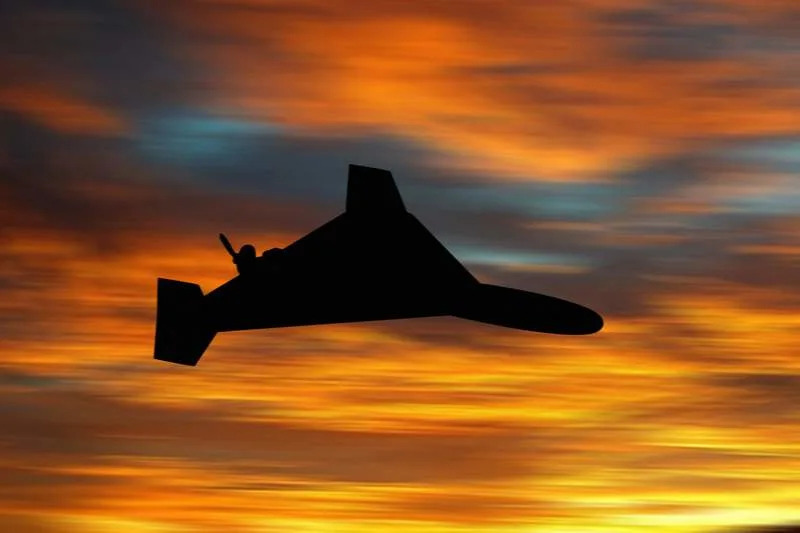
The alert came amid heightened tensions following U.S. and Israeli strikes on Iran and subsequent retaliation across the Middle East. By: MEGA
The alert came amid heightened tensions following U.S. and Israeli strikes on Iran and subsequent retaliation across the Middle East. While concerns about Iranian response have been raised, analysts are worried more about cyberattacks, proxy activity and “sleeper” networks than direct strikes on U.S. territory. Research groups including the Council on Foreign Relations and Center for Strategic and International Studies have noted that while Iran has cyber and proxy capabilities, it has not demonstrated the ability to carry out direct missile strikes on the U.S. mainland.