
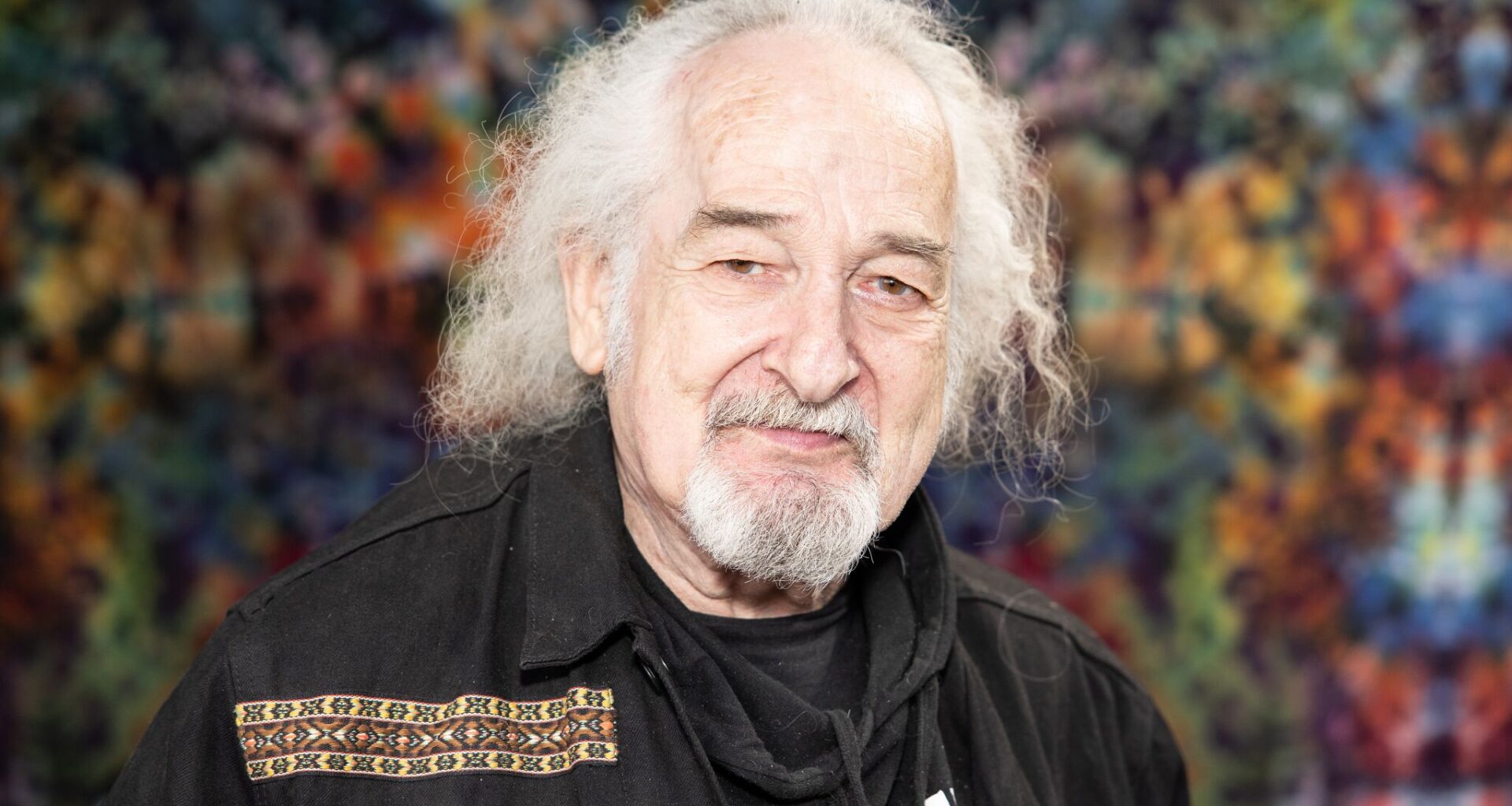
Doug Irwin, the Northern California luthier who designed and built some of Jerry Garcia’s most iconic guitars, has died at 76.
“Today we remember and honor Douglas Leo Irwin,” Irwin Guitars wrote Monday, March 30. “Doug was a master craftsman, a visionary, and someone who dedicated his life to his work. His guitars were never just instruments, they were built with intention, precision, and soul, becoming part of the music and the artists who played them.”
The post said Irwin died Friday, March 27. No cause of death was provided.
Irwin was best known for creating the custom instruments that became inseparable from Garcia’s music and stage presence, including the ones called Wolf, Tiger, Rosebud and the headless Wolf Jr.
His guitars — marked by ornate woodwork, brass hardware and custom electronics — became some of the most recognizable instruments in Grateful Dead history and were central to Garcia’s sound for more than two decades.
His death comes just weeks after Garcia’s Tiger sold for $11.56 million at Christie’s in New York, far exceeding its presale estimate.
Christie’s described the guitar as Garcia’s main instrument from 1979 to 1989, when the band’s marathon live shows became central to its legacy. The auction house said Garcia commissioned the guitar in 1973 and that Irwin spent about 2,000 hours over six years completing it.
Garcia played Irwin guitars almost exclusively for much of his career.
In a 2001 Chronicle story, longtime Garcia equipment manager Steve Parish described the instruments as indispensable.
“We slept with these instruments,” Parish said. “You could lose amps. You could break things, and sometimes we did. But I could never look Jerry in the eye and say, ‘I don’t have your guitar.’”
Irwin’s work extended beyond Garcia. The official Irwin Guitars website says he also built instruments for Grateful Dead bassist Phil Lesh and bassist-keyboardist Pete Sears, though his name remained most closely tied to the one-of-a-kind guitars Garcia played onstage.
Irwin’s collaboration with Garcia began in the early 1970s, after Garcia bought one of his guitars and asked him to build another. That partnership produced a series of instruments that helped define Garcia’s tone and became enduring symbols of the band’s improvisational era.
“His legacy will live on through the instruments he created and the music they helped bring to life,” the statement said.