
Jessie Buckley, center, in the divisive theater scene from “Hamnet.”
Agata Grzybowska/Focus Features
Greetings, Mick: Watching “Hamnet,” I found it worked to good effect until the sequence when Will’s wife Agnes attends a production of “Hamlet.” At that point, it became so emotionally manipulative that it took me out of the story.
Greetings, Ben: I almost agree. I liked “Hamnet,” but didn’t like the theater scene, though I know that scene is a special favorite for lots of people.
Article continues below this ad
The sticking point for me was that, contrary to what the movie suggests, “Hamlet” and the character of Hamlet have nothing to do with Shakespeare’s son, Hamnet. So the connection being made just seemed, not exactly bad, but forced.
Paul Mescal as William Shakespeare in “Hamnet.”
Focus Features
However, you could choose to look at the sequence, not in terms of parallels between Hamlet and Hamnet, but as the moment when Agnes reconnects with her husband. She realizes that he is not uncaring or ungiving, but rather that he’s channeling all his emotion and grief into this art form, the theater. That means that, in addition to whatever else Agnes is going through in that scene, she is having a primitive awakening into how art works and the price of being an artist. Think of the scene in that way and you’ll enjoy it more.
San Francisco Chronicle Logo
Make us a Preferred Source to get more of our news when you search.
Add Preferred Source
Hi, Mick: You didn’t include “Unforgiven” on the list of good/great Clint Eastwood films. Senior moment, or an opinion that literally no one else in the world shares?
Article continues below this ad
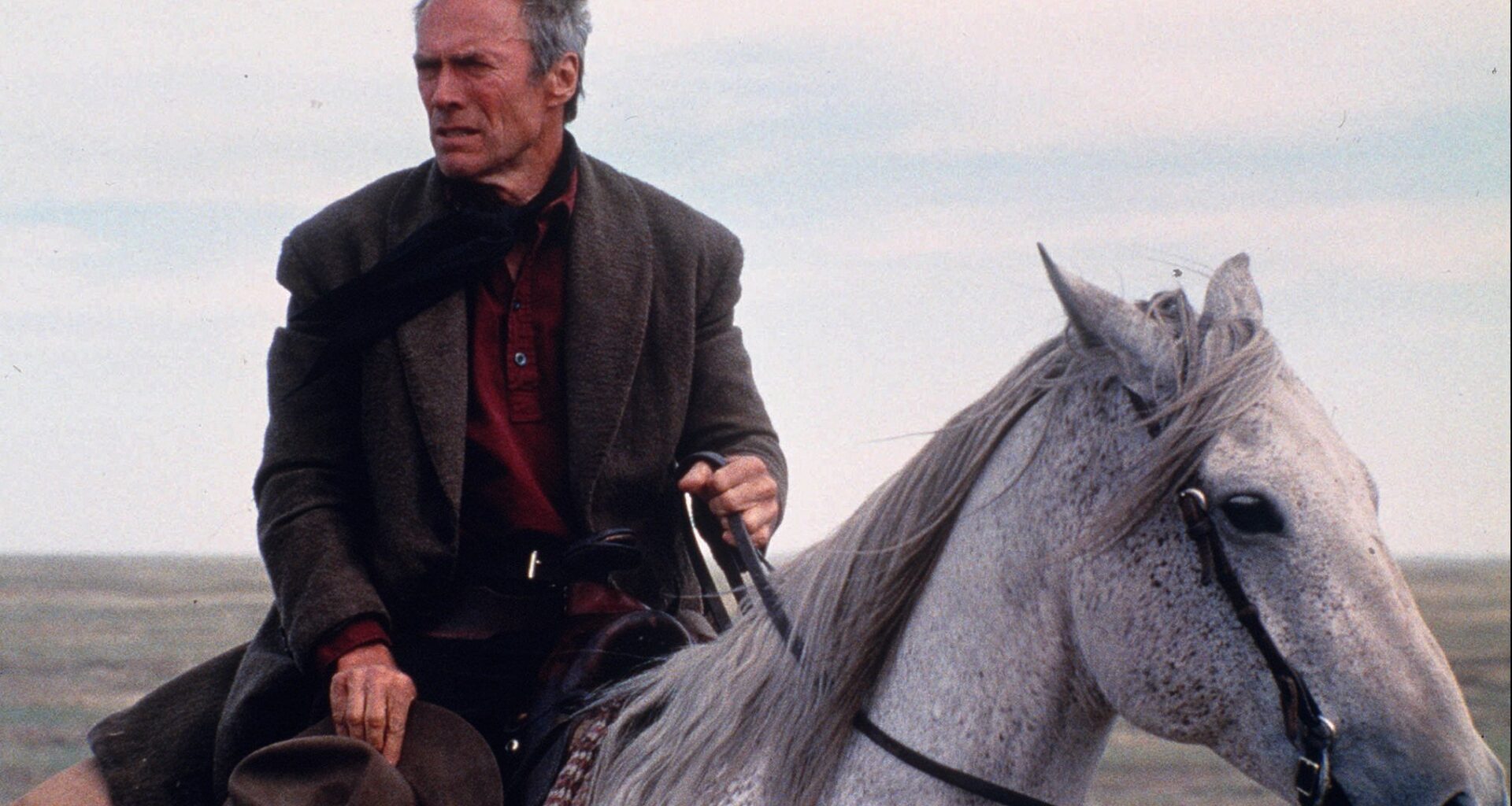
Clint Eastwood in “Unforgiven” (1992).
Warner Bros./ABC
Hi, Tim: I was writing about movies Eastwood made after turning 70, and he made “Unforgiven” (1992) in his 60s. But you’re right to notice that I wanted to avoid the “Unforgiven” issue altogether.
I saw the movie once, at a screening when it first came out, and didn’t enjoy it. But since then, I’ve reread my review, and I don’t like that review at all. I think what I wrote was badly reasoned, in a way that makes me strongly suspect — irrespective of what everyone else has said — that I was just wrong. I now think that “Unforgiven” just hit my 33-year-old self in some weird way, or I simply wasn’t in the mood. That can happen.
But I have not seen “Unforgiven” since, and I can’t say that I have much of an impulse to rewatch it, because I still remember not enjoying it. What would be the point of seeing it again, except to test my initial impression, which nobody else cares about? I find it much easier to just shut up whenever “Unforgiven” comes up in conversation, which isn’t often.
Article continues below this ad
Dear All-Knowing Mick: I read with dismay that you have not seen the Coen brothers film “Raising Arizona.”
Rich Sherman, Castro Valley
Nicolas Cage, from left, Holly Hunter and T.J. Kuhn in “Raising Arizona” (1987).
20th Century Fox
Dear All-Knowing Rich: OK, since you’re all-knowing, I’m going to tell you something you don’t know, but it’s strictly between us: I’ve seen so many movies — I mean so, so many — that I actually like being able to tell people I haven’t seen something. For me, it’s the equivalent of saying, “Hey, I’m not some geek! I do things! I’m cool! Not like everybody says, like uncool, I’m cool!”
Something else too: Fifty years ago, it was possible for a critic to have seen everything worth seeing — or more accurately, everything other critics said was worth seeing. But now it’s almost impossible. There have been too many movies.
Article continues below this ad
Of course, if you write movie reviews for a newspaper, or if you’re a film scholar, you have to be, at least to some degree, a generalist — just as a podiatrist needs to know a lot about general medicine, while knowing everything about feet. In the same way, I think modern-day film critics need to be specialists too; otherwise, they all just end up seeing the same old movies and thinking the same old thoughts.
Have a question? Ask Mick LaSalle at askmicklasalle@gmail.com. Include your name and city for publication, and a phone number for verification. Letters may be edited for clarity and length.