
Eye health may not be top of mind for many people, but Dr. Walia say simple habits — from wearing goggles in the pool to taking breaks from screens can help protect vision, especially during spring break in the Central Valley.
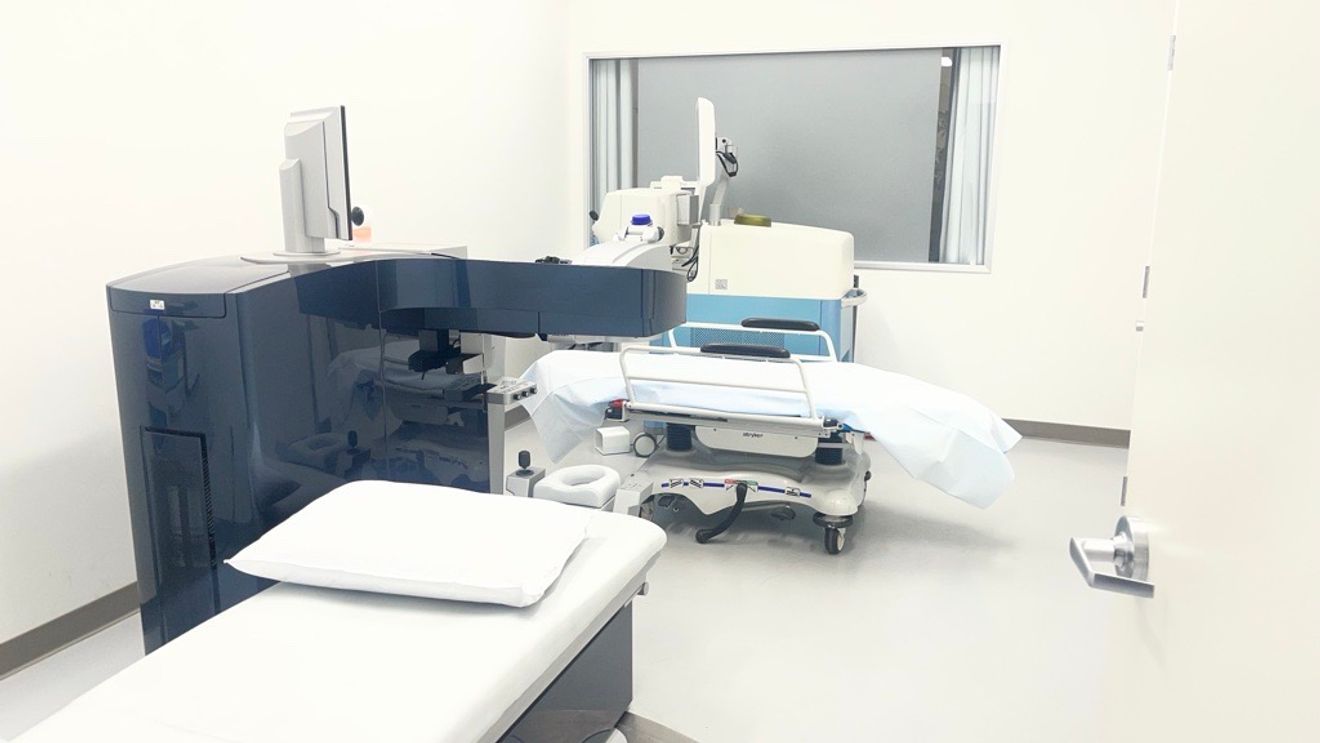
We visited West Coast Eye Institute in Bakersfield, where ophthalmologist Dr. Sandeep Walia discussed common seasonal eye concerns and walked through what patients can expect during an exam and for some surgery options such as LASIK or cataract procedures.
KBAK
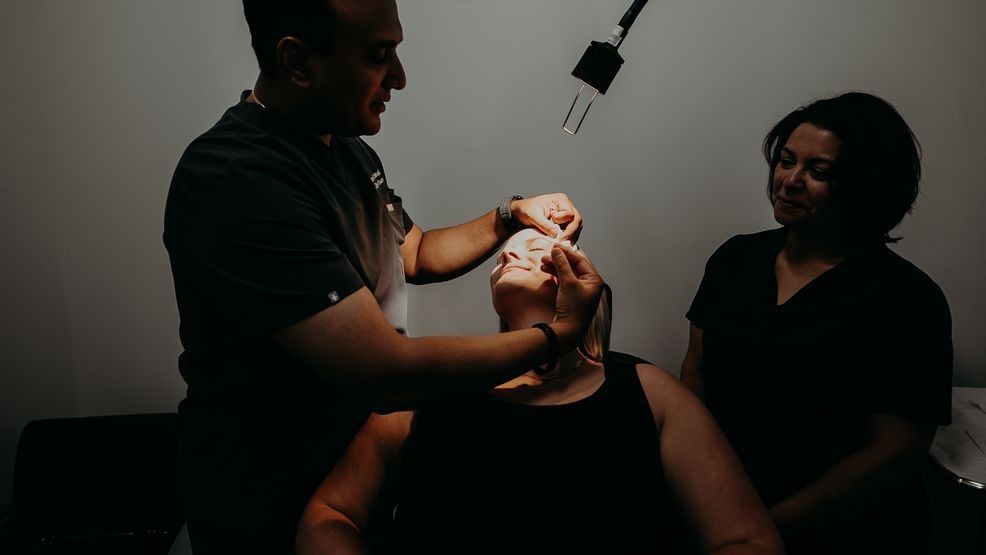
Dr. Walia said spring break often means more time in swimming pools, and chlorine exposure can lead to irritation and infections.
“You can get conjunctivitis or pink eyes, what a lot of people call it, this time of year, so your kids can get really red and irritated,” Dr. Walia said he recommends goggles for both kids and adults.
He also urged people to wear sunglasses to protect against ultraviolet light as days get longer and people spend more time outside. “A lot of UV exposure, a lot of eye damage can happen from UV light,” he said.
KBAK
On screen time, Dr. Walia said there is not “a whole lot of damage” to the eyes themselves, adding, “There’s no retina toxicity.” However, he said screens can affect sleep and behavior and recommended following the “20-20-20” rule: “Take a 20-second break after 20 minutes Look 20 feet away.”
WestcoastEyeInstitute_Bakersfield_California_Dr.Walia-287.jpg
How often someone should get an eye exam depends on their health history. For people with diabetes, DR. Walia exams are recommended “every year to six months, depending if you have active disease.” For generally healthy people, he said it is “probably better” to come in “once every year to two years” to check for developing problems.
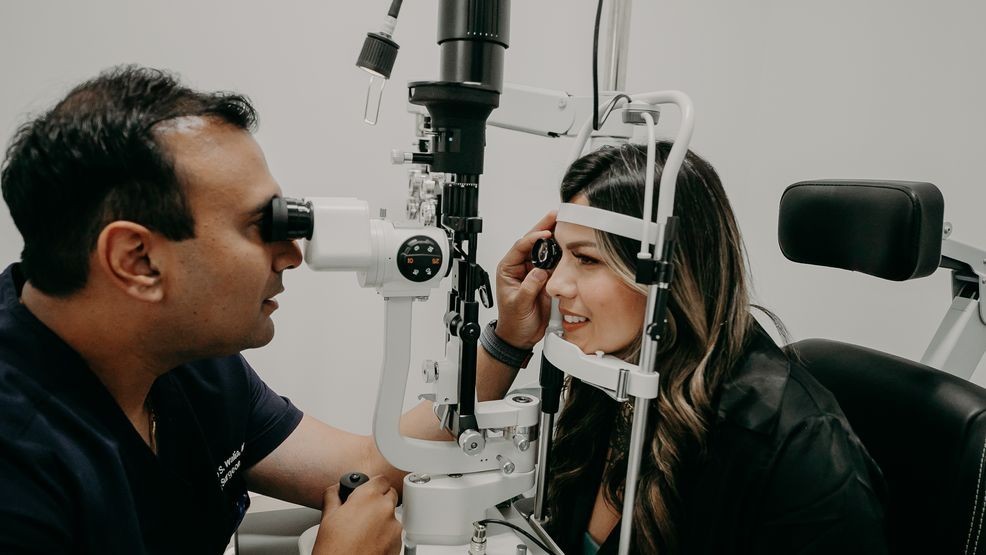
A typical eye exam at the institute takes about 45 minutes,, largely because dilation takes time.
KBAK
During our visit, Dr. Walia described what doctors look for during an exam, including cataracts which is “a natural clouding of the eye that blocks light from getting in and blocks your view from coming out”. He adds that it can make it difficult to drive at night or see in dim light.
He also discussed signs of diabetic eye disease, which he said is commonly seen in Kern County. Dr. Walia explained that high blood sugar can clog small blood vessels in the eye, causing them to leak and leading to bleeding in the retina.
WestcoastEyeInstitute_Bakersfield_California_Dr.Walia-490.jpg
For people who cannot regularly make appointments, Dr. Walia recommended at-home checks by testing each eye separately. “Literally, close one eye at a time and just look at an image and make that your morning routine,” he said, adding that one eye can sometimes mask problems in the other.
West Coast Eye Institute offers multiple services, including LASIK, cataract surgery and Botox. The institute has been in business for a few years and has locations in Bakersfield, Oildale, and an office in Delano.
“We accept those plans, and more importantly, we never turn away anybody,” says Dr. Walia, “So if you don’t have insurance, we still help.”