
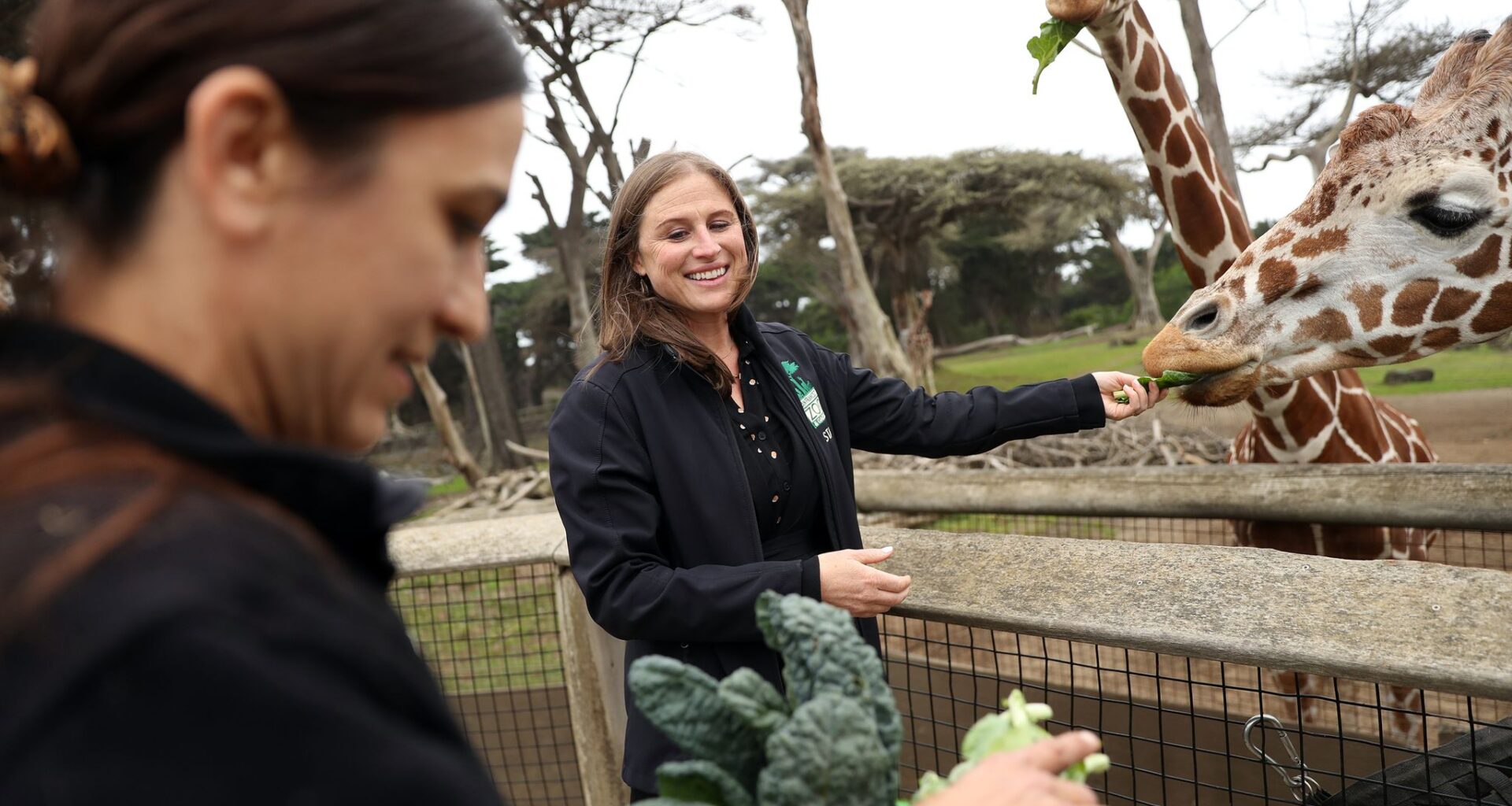
The ailing San Francisco Zoo will receive a $6.5 million bridge loan from the city as part of a sweeping restructuring plan aimed at stabilizing its finances and improving operations that have faced increasing scrutiny in recent years.
The deal between city and zoo leadership, announced Tuesday, also includes $2 million in additional funding if the zoo meets certain performance requirements, zoo leadership said in a statement.
But the zoo may not be able to depend on more help from city coffers.
Citing the city’s own budget woes, Mayor Daniel Lurie warned that the “city cannot afford to take over the Zoo and spend tens of millions of dollars to shut it down or keep it afloat.”
“Instead, we are doing what our administration has always done and investing responsibly, with accountability, in San Francisco families,” Lurie said in a joint statement with zoo leaders.
The deal comes after a massive shakeup at the top of zoo leadership when Lurie encouraged CEO Tanya Peterson to step down under a cloud of controversy. She was replaced by CEO Cassandra Costello.
The zoo has faced increased scrutiny since last year, when investigations into concerns of mismanagement revealed rampant issues of animal welfare and worker safety. In one instance, a worker was chased by a grizzly bear. In another, a penguin was killed when a door fell on it. Meanwhile, zoo leaders are searching for money to acquire a panda from the Chinese government.
Managers of the zoo, which is operated by the nonprofit San Francisco Zoological Society, also have long clashed with its employees. But the relationship has recently improved under Costello’s leadership, according to a Teamsters representative.
The injection of funds is intended to serve as a lifeline for the zoo, which has struggled to maintain its nearly 100-year-old facilities and attract and retain visitors, leading to financial troubles. It remains unclear what the loan’s interest rate or repayment timeline will be, and city officials have not detailed whether additional long-term funding could follow. But a bridge loan is typically a short-term loan meant to provide immediate cash while a longer-term funding solution is secured.
According to its audited financial statement for fiscal 2025, the society lost $6.3 million from operations last fiscal year, contributing to a $5.5 million or 27% decrease in net assets. While admissions and membership revenue held steady, fundraising and contributions dropped, while expenses rose.
“The San Francisco Zoo has been a beloved part of this city for nearly a hundred years, and I am committed to ensuring it thrives for the next hundred,” Costello said in the joint statement. “When I stepped into this role, I knew we needed to identify the challenges quickly, develop a turnaround plan, and work with our City partners to secure the support we need to see it through.”
Officials say the city’s loan includes strong oversight measures, including quarterly reporting standards, and a required five-year strategic plan to ensure that the zoo passes its accreditation review in 2027. City and zoo leaders have framed the loan as a way to give the zoo time to stabilize operations, though details about how it will achieve long-term financial sustainability remain limited.
Costello remains optimistic. In January, the zoo recorded its highest ever attendance for the month, welcoming about 63,000 visitors, according to a statement, though it was not clear how many visitors paid the entrance fee. A massive investment in improving the zoo’s aging facilities is what Costello hopes to tackle next.
“When new leadership identifies a problem and comes to the City with a clear, responsible plan to fix it, we should do everything in our power to support their efforts,” District 7 Supervisor Myrna Melgar said in the joint statement. “This bridge loan gives the Zoo the runway it needs to execute a real turnaround, one that is already showing results, and that I am proud to have helped make possible.”
Zoo employees also appear to be behind the plan to inject new life into the zoo with city funds, according to a representative of Teamsters 856, which represents zookeepers, dieticians, maintenance and guest services employees.
“Our members have already seen real change under Cassandra’s leadership, more transparency, more collaboration, and a genuine commitment to doing right by the staff and the animals,” Corey Hallman, the local Teamsters representative, said. “This bridge loan matters because it gives that progress time to take hold. We are in this together.”