
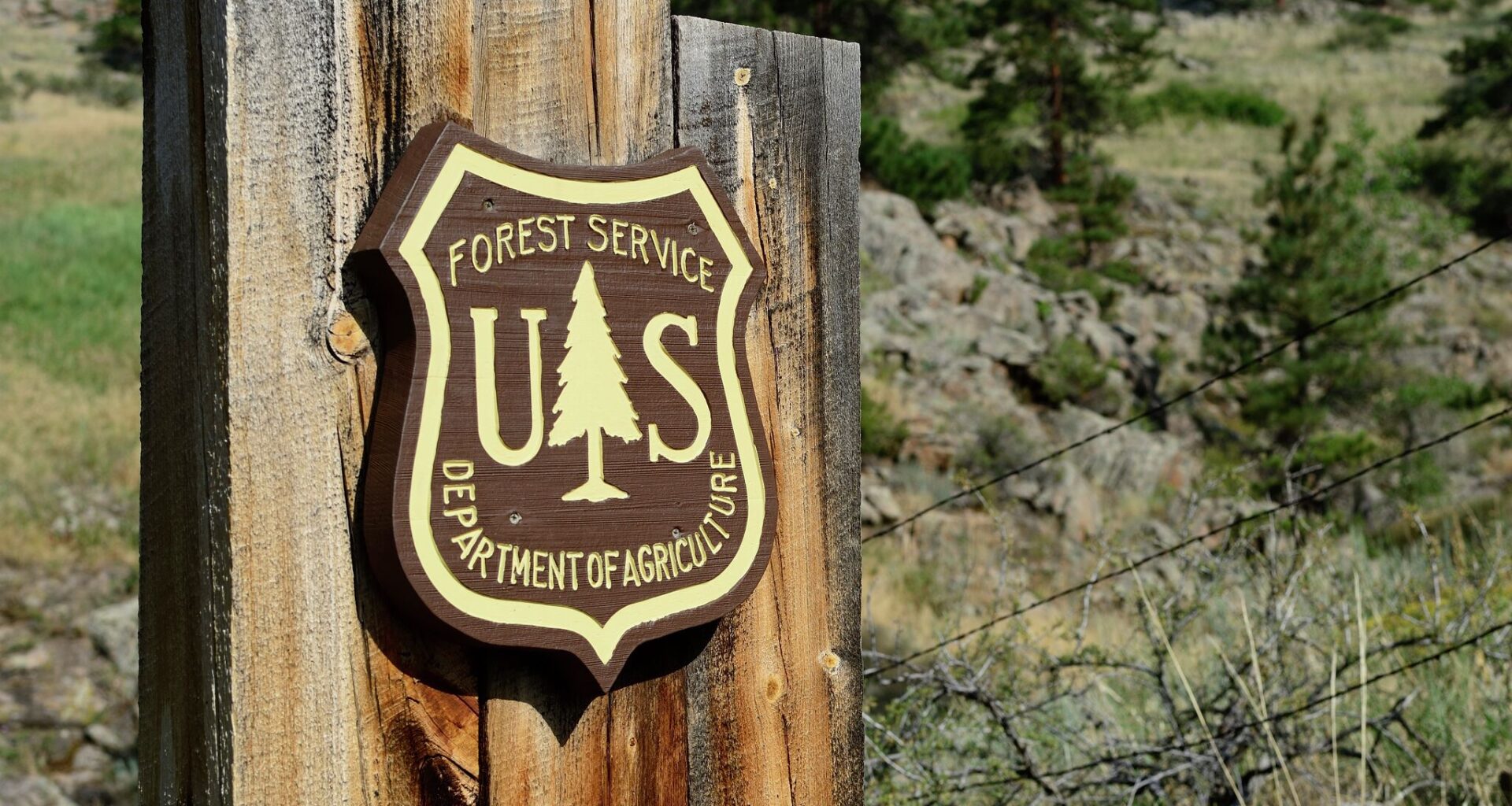
The U.S. Forest Service announced that it is shuttering dozens of research stations and relocating its headquarters as part of a massive reorganization.
The agency’s headquarters will be moved from Washington, D.C., to Salt Lake City, according to a news release published last week. Sweeping closures are also set to take place across its research division: 57 of 77 research facilities across 31 states are set to close, and any remaining facilities will operate under a single research station in Fort Collins, Colorado.
Six research facilities in California — located in Anderson, Fresno, Chico, Fort Bragg, Mount Shasta and Hat Creek — will close, according to the Forest Service’s website. All nine of the agency’s regional offices will also be closed and consolidated to operations centers located in Albuquerque, New Mexico; Athens, Georgia; Fort Collins, Colorado; Madison, Wisconsin; Missoula, Montana; and Placerville, California.
According to the Forest Service, these changes are taking place as part of an effort to “unify research priorities, accelerate the application of science to management decisions, and reduce administrative duplication.” Public land advocates, however, said the restructuring could be disastrous for an agency already faced with over a year’s worth of workforce shortages and budget cuts. President Donald Trump’s administration fired thousands of Forest Service workers in early 2025, a move that sent shockwaves through rural communities that depend on the agency for employment opportunities and the management of nearby public land.
“This is nothing more than intentionally trying to create chaos,” Tracy Stone-Manning, the former director of the Bureau of Land Management and the president of a conservation nonprofit called the Wilderness Society, told SFGATE over the phone.
A similar restructuring effort took place within the Bureau of Land Management during Trump’s first term, when the administration announced plans to move a large portion of the agency’s administrative staff from Washington, D.C., to Grand Junction, Colorado. Stone-Manning, who led the BLM at the time, said that she sees echoes of this change in last week’s announcement.
“What it did was cripple the agency,” Stone-Manning said. “Hundreds of people walked out instead of being forced to relocate. And with that is a loss of a deep, deep understanding how things are supposed to work, and a deep understanding of how best to manage our public lands.”
The upcoming reorganization could cut the Forest Service’s workforce in half, Stone-Manning said, adding that the loss might result in sweeping closures of campgrounds and trails, along with impacts to wildlife conservation and land stewardship.
“This move is not a reorganization. It is a significant shrinking of resources, including staff and budgets,” Wendy Schneider, the executive director of the nonprofit Friends of the Inyo that’s based in the Eastern Sierra Nevada, told SFGATE in an email. “It is coming at a time when staff and budget cuts have already significantly reduced the ability of the forest service to properly manage the lands in their care.”
Employees affected by the restructuring “will receive clear information about relocation timelines, available options, and resources to support their decisions,” a spokesperson for the U.S. Department of Agriculture told SFGATE in an emailed statement. Spokespeople representing several national forests within California said the restructuring will not impact district offices or their staff and that wildfire response operations will remain unchanged.
Relocation efforts will take place in phases, the USDA spokesperson said, adding that an exact number of affected employees is unknown.