
FRESNO, Calif. (FOX26) — A controversial state program allowing elderly inmates to be considered for early parole is raising concerns in Fresno, especially after multiple sex offenders, originally serving life sentences, were granted release.
California’s Elderly Parole Program allows certain inmates to be considered for parole at age 50 after serving 20 years, except for those sentenced to death or life without parole.
Critics argue the program has loopholes, particularly for sex offenders.
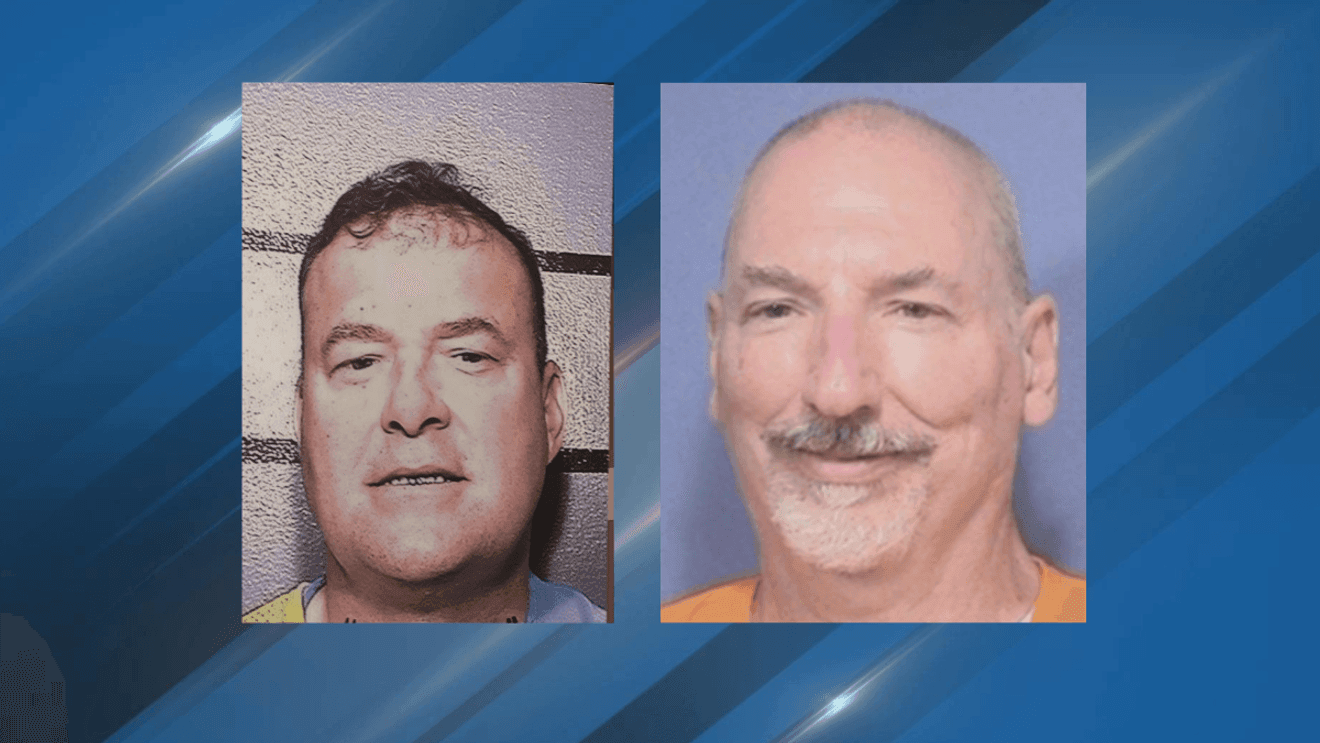
David Allen Funston, a serial child predator convicted of kidnapping and molestation and originally sentenced to three life terms, qualified for parole through this program.
During his hearing, when asked if he was still attracted to young girls, Funston replied, “Yes, I am.”
Despite that admission, he was granted parole and chose Fresno as his residence.
Gregory Vogelsang, sentenced to 355 years for sexually assaulting children, was also granted parole and selected Fresno as his location.
Both cited transitional housing and rehabilitation programs in Fresno as reasons for choosing the city, Funston mentioned “Centers for Living,” and Vogelsang referenced Circles of Support and Accountability (COSA).
Fresno County District Attorney Lisa Smittcamp expressed frustration over the program:
“We’ve told our victims they will never get out. They have a life sentence. They will die in prison before they’re eligible for parole. But under these new laws, people are getting out all over the place.”
Assemblymember David Tangipa echoed these concerns.
If they want them to be released from prison, they can have them in their own districts, do not bring them to the Central Valley. I do not believe somebody can be rehabilitated if they are targeting children.
In December, Fresno County passed an ordinance limiting the number of sex offenders who can live under one roof to six.
Meanwhile, state leaders are considering legislation that would restrict eligibility for the elderly parole program, aiming to prevent high-risk offenders from being released.
Supporters of the program, like Keith Watley, argue the risk is minimal.
There have been zero cases of sexual re-offense for those released on elderly parole.
But for many local leaders, including Smittcamp and Tangipa, the concern isn’t age, it’s the severity of the crime.
The California Department of Corrections and Rehabilitation confirmed that the COSA program previously received state grant funding, which expired last year.
Efforts to speak with the director of the sex offender rehabilitation program today were unsuccessful.
As Fresno becomes a hub for elderly parolees, community concerns and legislative efforts continue to grow.