
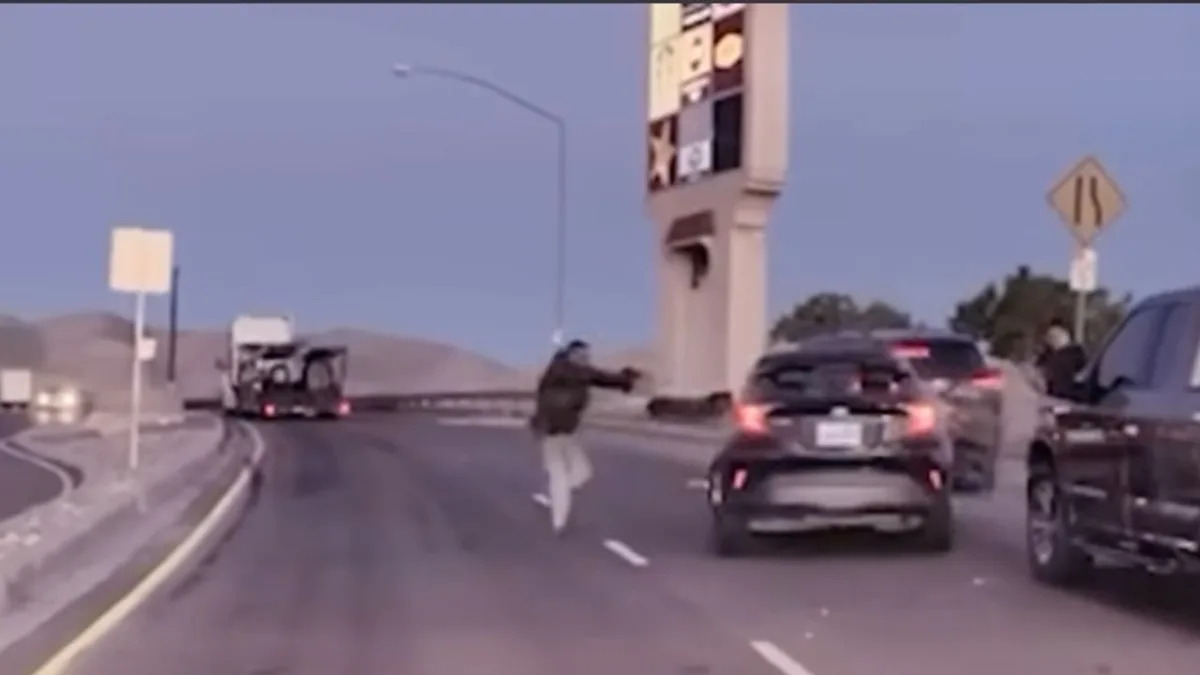
The stretch of Interstate 5 near Patterson, California, is the kind of road where nothing is supposed to happen. Long, flat, predictable. But just after sunrise on April 7, 2026, that calm broke in a way that is becoming all too familiar across the United States.
Federal immigration agents had identified a man they wanted to arrest: Carlos Ivan Mendoza Hernandez. They tracked him to his car and moved in during a targeted vehicle stop. Within seconds, the situation spiraled into violence.
Dashcam footage, captured by a passing driver, shows the moment tension snapped. Agents surrounded a black sedan, closing in from multiple angles. One appears to reach toward the driver’s side.
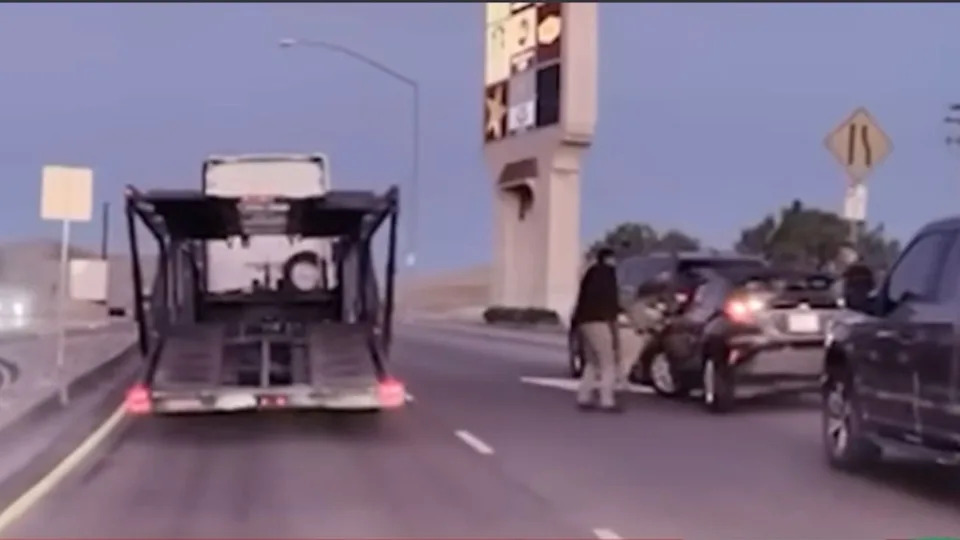
Image Credit: KCRA 3/YouTube.
Then the car jerks backward, slamming into a vehicle behind it. The passenger door swings open violently as metal scrapes metal.
What happens next unfolds in a blur of motion and fear. The sedan lurches forward, directly toward the agents. One officer scramble out of the way. Another raises his weapon. Within moments, shots are fired.
What We Know—And What We Don’t
Authorities say the driver used the vehicle as a weapon, forcing officers to defend themselves. But the footage carries no audio, leaving a crucial gap. It is unclear exactly when the shots were fired or how many.
The driver sped off with the apparent gunshot wound, crossing a median into oncoming traffic before disappearing from view. He was later hospitalized in critical but stable condition, though questions about what exactly happened in those seconds remain unresolved.
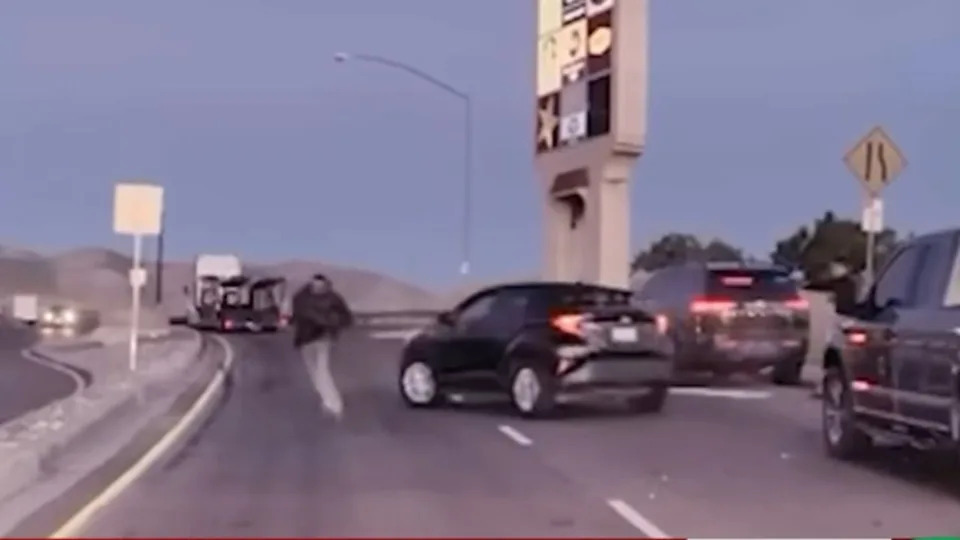
Image Credit: KCRA 3/YouTube.
The FBI has taken over the investigation. Local law enforcement was not involved in the shooting itself, though they helped manage the aftermath, including major road closures that paralyzed traffic in the area for hours.
Unfortunately, ICE-related shooting incidents are becoming all too familiar. This latest in California sits inside a broader, more troubling pattern: traffic stops in America are becoming flashpoints for deadly encounters.
The Dangerous Reality of Traffic Stops
Data from policing studies in the United States shows that tens of millions of traffic stops occur each year. On the surface, they are among the most common forms of contact between law enforcement and civilians. Yet beneath that volume lies a growing risk.
According to analyses from groups like the Stanford Open Policing Project and federal data sets, a significant share of police shootings begin with vehicle stops or roadside encounters.
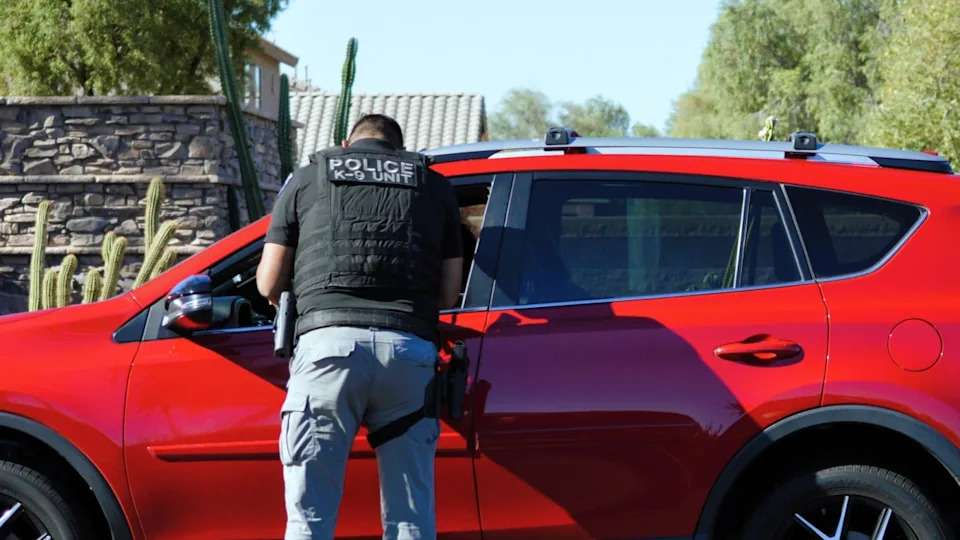
Image Credit: Around the World Photos/Shutterstock.com.
The danger cuts both ways. The FBI has consistently reported that traffic stops rank among the most hazardous situations for officers. A large portion of officers killed in the line of duty are attacked while approaching vehicles or conducting roadside enforcement.
The uncertainty is built into the moment. Officers do not know who is inside the car, what they might be carrying, or how they might react.
The risk is just as ominous for civilians. Studies by the Washington Post’s police shooting database have shown that a notable percentage of fatal police shootings stem from situations involving vehicles. In many of those cases, officers report that a driver used or attempted to use a car as a weapon.
Critics argue that this justification has, at times, been contradicted by video evidence in past incidents, leading to dropped charges or public backlash.
A Newish Reality
The Patterson shooting echoes that exact tension.
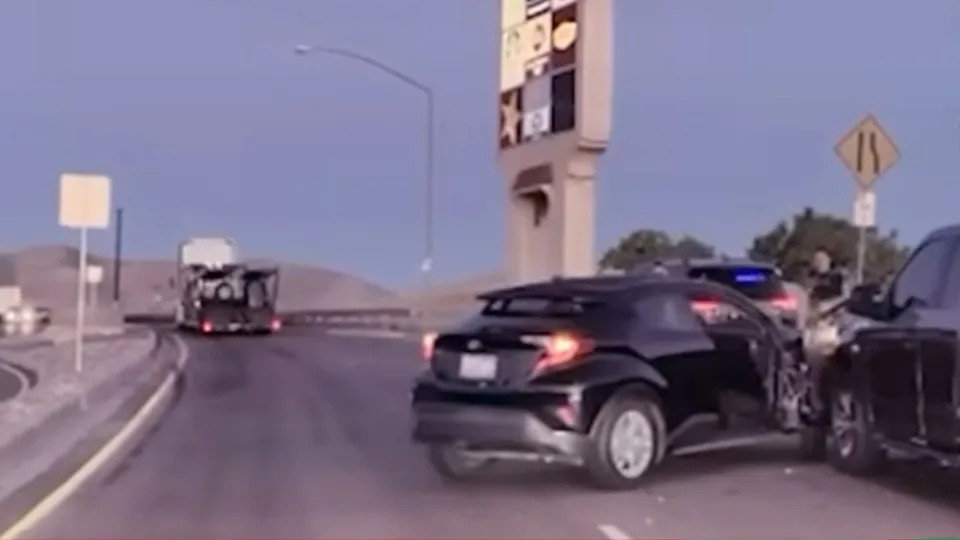
Image Credit: KCRA 3/YouTube.
Law enforcement officials describe a life-threatening scenario that demanded an immediate response. At the same time, the lack of clear audio and the reliance on partial footage leave space for doubt, interpretation, and scrutiny.
Zoom out, and the numbers tell a story that is hard to ignore. In 2026 alone, multiple people have already been shot by federal immigration agents during enforcement actions. Across all law enforcement agencies, hundreds of fatal police shootings occur each year in the United States, with vehicle related encounters forming a consistent thread.
Once upon a time in America, a traffic stop was little more than a minor interruption. Today, it can turn into a life altering moment in seconds.
On that California highway, everything happened in less time than it takes to read this paragraph. A car moved. An officer reacted. Shots rang out. And another incident was added to a growing national pattern where the most ordinary encounters on the road can become the most dangerous.
Sources: The Washington Post, CNN, UoI Data Science Discovery, Open Policing Project
If you want more stories like this, follow Guessing Headlights on Yahoo so you don’t miss what’s coming next.