
Got story updates? Submit your updates here. ›
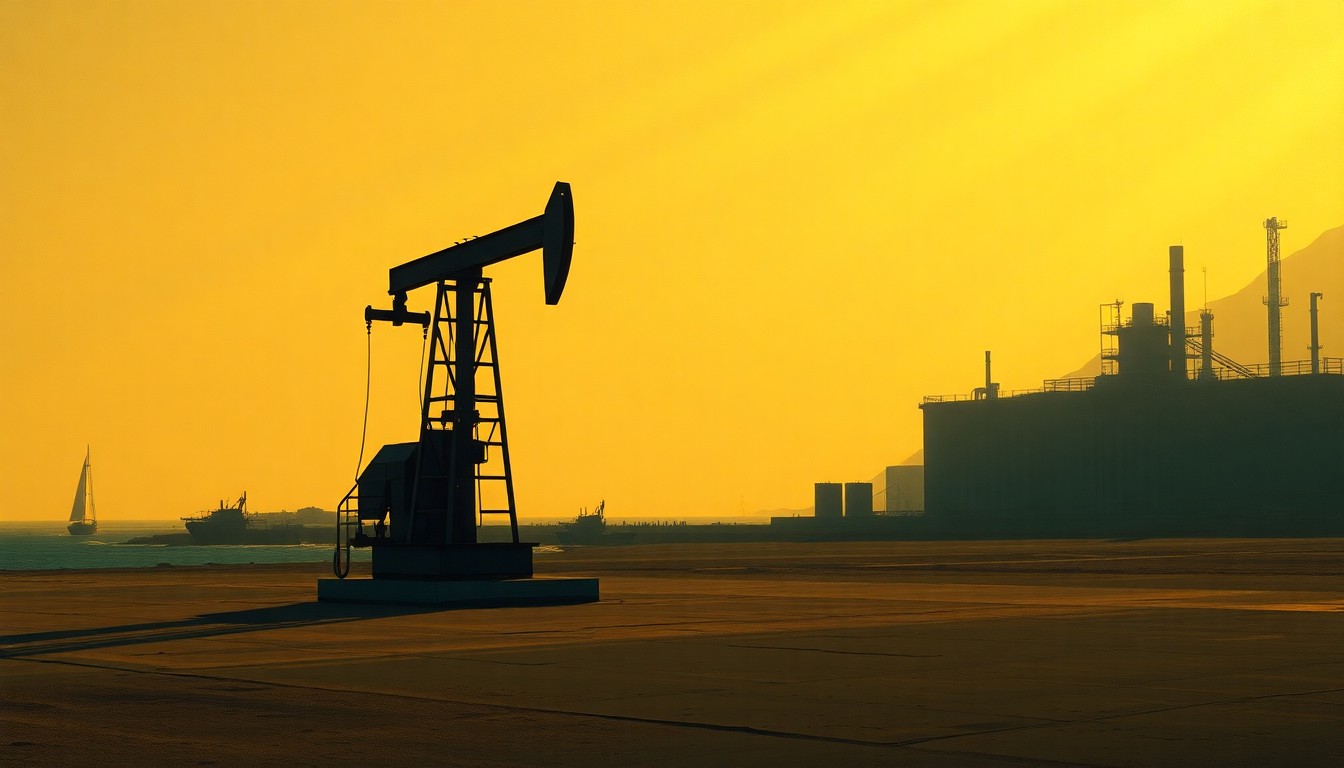 As tensions escalate over California’s energy policies, a lone oil pump stands as a symbol of the state’s complex relationship with fossil fuel production.Long Beach Today
U.S. Energy Secretary Chris Wright visited a Long Beach oil site to pressure Gov. Newsom over state regulations he says are driving up energy costs for Californians. A deal to convert a retired oil field into wetlands in exchange for new drilling rights was blocked by a state law meant to keep wells away from homes and schools. Wright argues California’s policies are increasing costs, while the state says federal actions on Iran are to blame for high gas prices.
Why it matters
This case highlights the ongoing political battle between the Trump administration and California over energy policies, with the federal government seeking to expand oil production in the state while California pushes environmental regulations that limit new drilling. The outcome could set important precedents around the balance of federal and state authority on energy issues.
The details
Last year, Long Beach made a deal with Synergy Oil & Gas to convert some of its land into public wetlands in exchange for the right to drill elsewhere. But a recent California law banning new oil wells within six-tenths of a mile of homes, schools and other populated areas has made it nearly impossible for Synergy to get permits for new drilling. Synergy owner John McKeown says the site where Wright spoke should be capable of extracting 6,000 oil barrels daily, but is only producing 100 barrels due to state limits. Long Beach Councilmember Kristina Duggan says the setback law harms city finances, as the city gets 8.5% of local revenue from oil production.
In 2025, Long Beach and Synergy Oil & Gas announced a deal to convert some land into wetlands in exchange for new drilling rights.Earlier this year, the Trump administration sued California over the setback law, arguing it illegally blocks business that the federal government oversees.A U.S. district court judge recently denied the U.S. Department of Interior’s request to stop enforcement of California’s setback law while a broader legal challenge is pending.
The players
Chris Wright
The U.S. Energy Secretary who visited the Synergy Oil & Gas site in Long Beach to pressure California Governor Gavin Newsom over state energy regulations.
Gavin Newsom
The Governor of California, who has sought to blame the White House for gas price increases while also pushing back against criticism that the state’s environmental regulations are contributing to the cost of fuel.
John McKeown
The owner of Synergy Oil & Gas, the company that had a deal with Long Beach to convert land into wetlands in exchange for new drilling rights, which was blocked by California’s setback law.
Kristina Duggan
A Long Beach City Councilmember who helped reach the agreement with Synergy Oil & Gas, and says the setback law harms the city’s finances as it relies on oil production revenue.
Rob Bonta
The California Attorney General who has sued Energy Secretary Chris Wright, arguing he overstepped his authority in invoking the Defense Production Act to order the restart of offshore drilling operations.
Got photos? Submit your photos here. ›
What they’re saying
“When you make energy expensive by importing it and putting ridiculous regulations on it, you not only make it more expensive to pay your bills, but you make it so businesses that consume energy aren’t going to locate (in) your state.”
— Chris Wright, U.S. Energy Secretary
“California’s gas prices were stable – and below $5 a gallon – for about two years before Trump launched his reckless war on Iran that closed the Strait of Hormuz and sent crude oil prices through the roof in red and blue states.”
— Anthony Martinez, Spokesperson for Governor Newsom
“What I’m trying to do is save 35 employees, and I’m trying to produce (the oil) we own.”
— John McKeown, Owner, Synergy Oil & Gas
What’s next
The judge in the case is still weighing whether to allow community groups represented by Earthjustice and the Center for Biological Diversity to intervene. The broader legal battle over the setback law and its impact on federal oil and gas leases is also ongoing.
The takeaway
This case highlights the escalating political tensions between the Trump administration and California over energy policies, with the federal government seeking to expand oil production while the state pushes environmental regulations that limit new drilling. The outcome could set important precedents around the balance of federal and state authority on energy issues, with significant implications for California’s energy landscape and the national debate over climate change and fossil fuel development.