
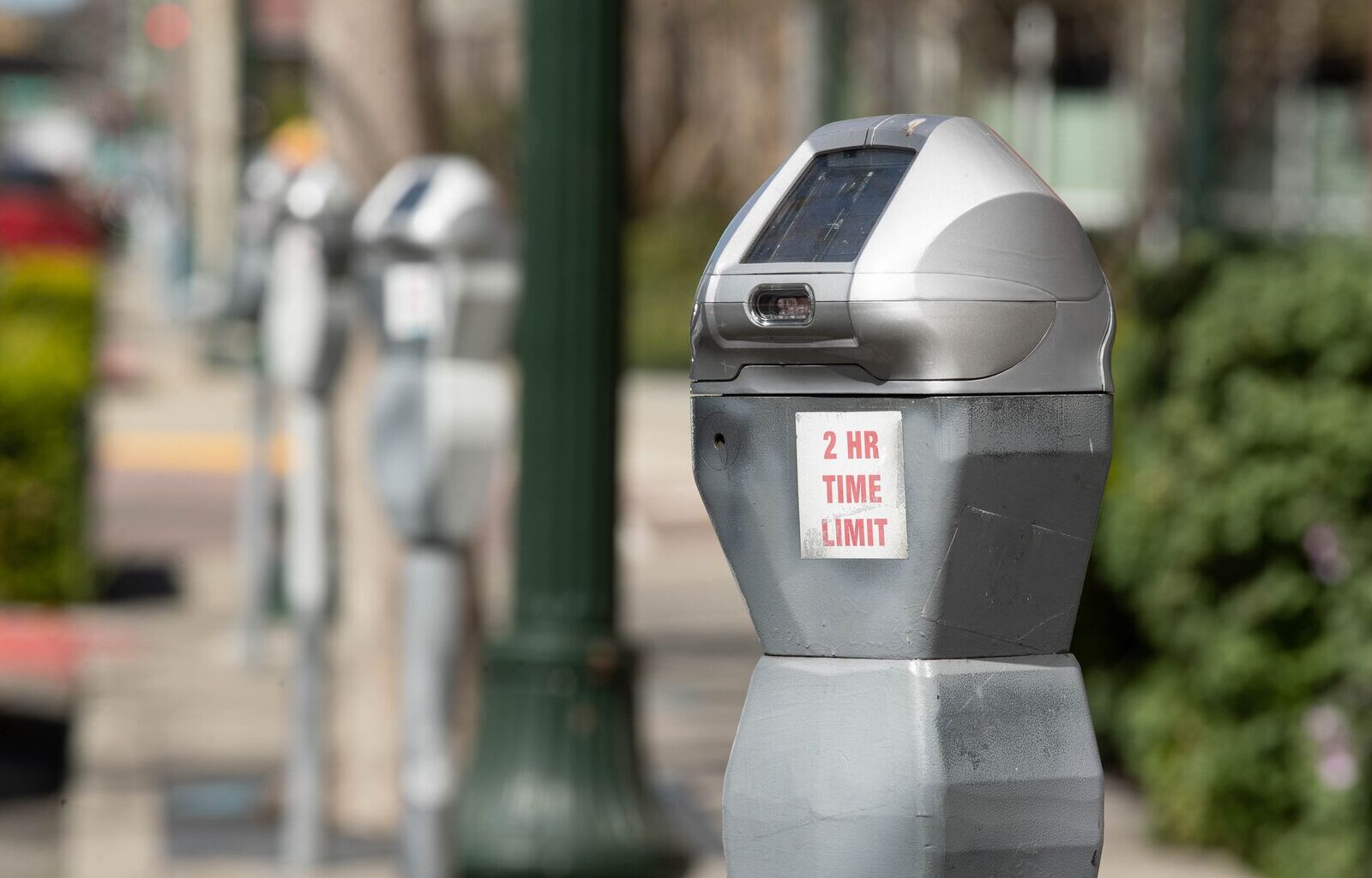
After nearly 100 days of leaflets and mailed warnings about the city’s new policy of charging for parking on Sundays, the Oakland Department of Transportation is finally ending its grace period for scofflaws.
Starting this Sunday, April 12, Oakland will begin citing anyone who doesn’t pay for parking at meters.
The transportation department began operating Sunday meters on January 4, from noon to 6 p.m., placing Oakland among the many cities nationwide with daily parking fees.
The idea is that it forces people to park for shorter periods, facilitating access for more drivers while also generating revenue.
“Our business community will also benefit from Sunday metering because it encourages parking turnover, allowing more customers to visit these establishments,” said Josh Rowan, the transportation director, in a city press release.
OakDOT has not said how much revenue the new Sunday metering policy has generated since it began operating in January. However, the city previously told The Oaklandside that it estimated it would receive $1.7 million a year. That money will go into the city’s general fund, which pays for everything from parks and roads to police and fire services.
According to the city parking website, parking fines usually start at $64 per ticket but can be higher in busier areas, including downtown. The city has implemented hourly flex pricing for parking meters over the last few years, ranging from $2 to $6, to manage periods of high demand and to keep cars moving.
Paying for parking on weekends in popular areas of Oakland has become more common in recent years, but some have pushed back, citing concerns about gentrification and economic displacement. When the city started charging for parking at Lake Merritt on Sundays in 2023, long-time Oaklanders, especially low-income Black and brown residents, told us they felt like it was a way to force them to leave.
Sunday meter enforcement is also rolling out at the same time as a controversial attempt by the city’s finance department to take over parking operations from the transportation department, despite vociferous opposition from many city workers. The change has been described by finance as a way to better manage parking cash flow and to bring in more money overall, although transportation staff have disputed that they are not already maximizing the city’s resources with that exact goal. That move has been postponed a few times but is still in the offing, according to city staff with knowledge of the matter.
According to the city’s parking inventory data, last updated in June 2024, there are about 4,800 functioning parking meters. Since many of those meters service multiple spaces, with about 7-10 each, the city has about 10,000 parking spots, all of which now charge on Sundays.
That same dataset shows that the roads with the most parking spaces are Broadway, Telegraph Avenue, International Boulevard, Grand Avenue, Webster Street, and MacArthur Boulevard.
“*” indicates required fields