
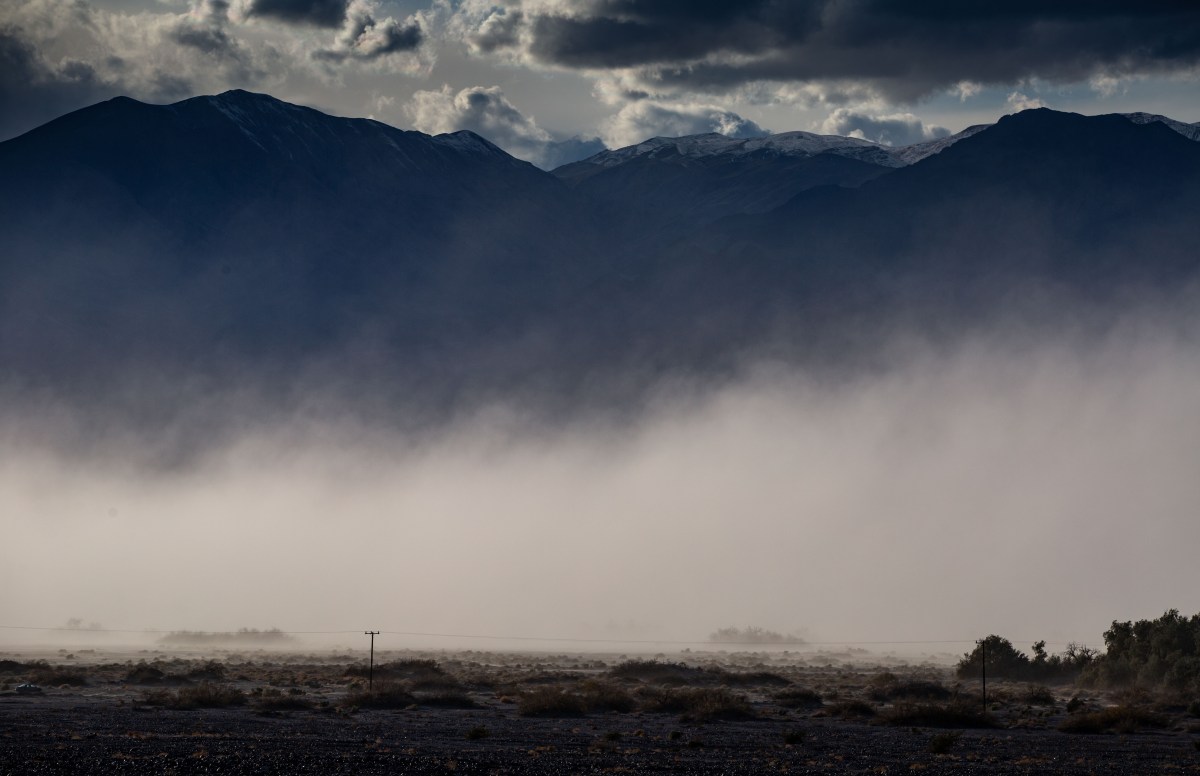
Thousands of people in parts of California have been issued an air quality alert and have been advised by the National Weather Service (NWS) to stay inside and “keep windows and doors closed,” as levels of particle pollution have reached “harmful” levels.
Areas Affected by ‘Harmful’ Particle Pollution
According to the air quality alert, which was issued by the South Coast Air Quality Management District and published by the NWS, the Coachella Valley—including the cities of Indio, Palm Springs, Cathedral City, Palm Desert, Palm Desert Country, La Quinta and Coachella—is at risk of “harmful particle pollution levels” until around midnight on Monday.
What’s Causing Poor Air Quality in California?
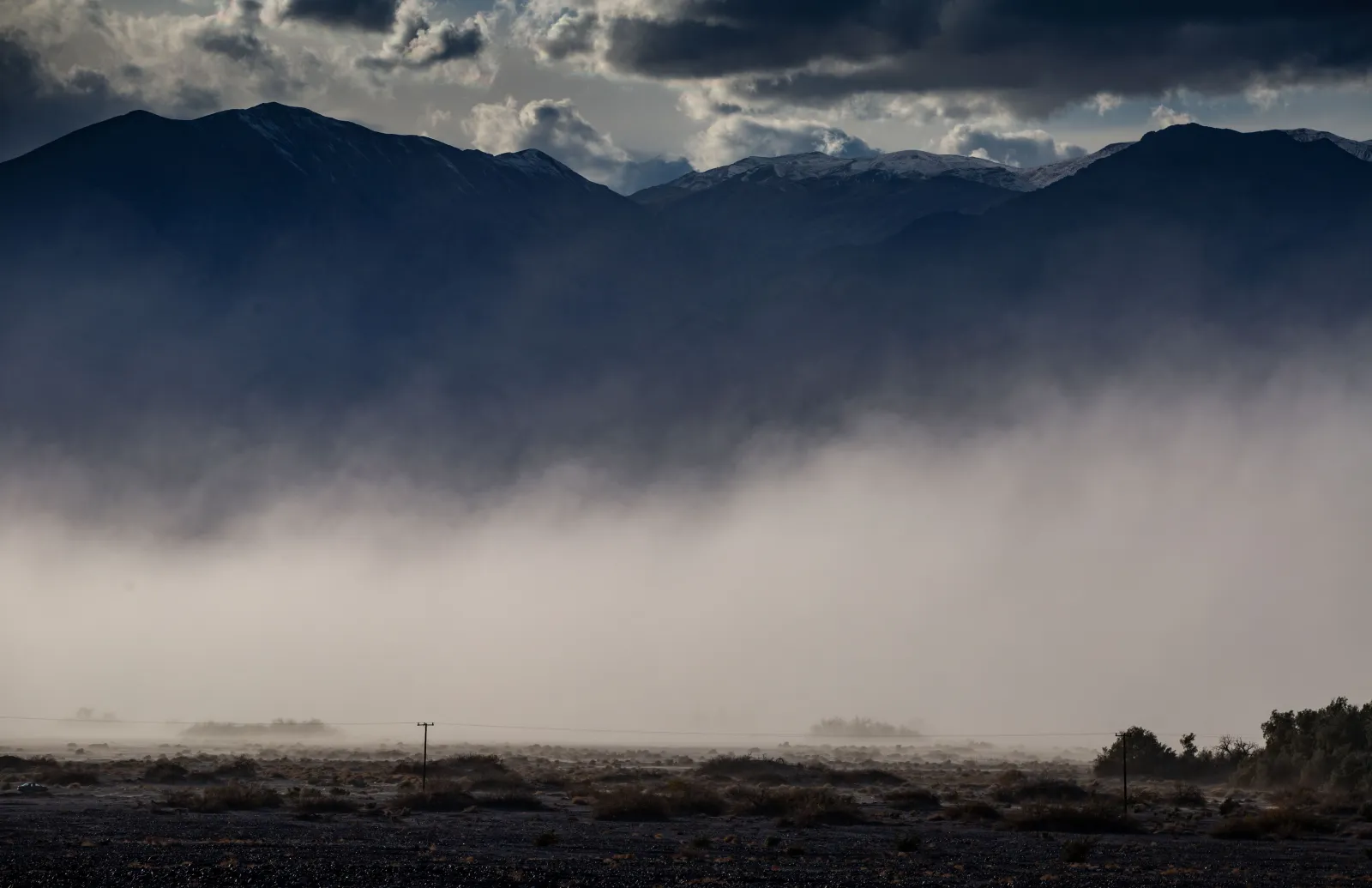
The harmful levels of particle pollution are due to “windblown dust.” The NWS warns that the levels of air pollution can vary in different locations and at different times, according to the weather conditions and local emissions.
 What Should Residents Do When Air Quality is Poor?
When particle pollution reaches harmful levels, residents in the affected areas are advised to take steps to reduce their exposure to the poor quality air, including inside their homes.
Alongside keeping their windows and doors closed, they should avoid burning other sources of pollution, such as candles, indoor fires or incense. They should use air purifiers or filters to keep clean air circulating and avoid using house fans or swamp coolers that could bring the polluted air inside.
They should also try to help minimize particle pollution by reducing trips taken by cars or vehicles. Instead, they should take public transport, organize a carpool or work from home if possible. They shouldn’t use outdoor grills or gasoline-fueled lawnmowers or garden equipment. They should slow down when driving on dirt roads and try to stabilize any loose soil.
They can also limit or reduce the intensity or duration of all outdoor physical activity until the conditions improve. This is especially important for those in sensitive groups, which include the elderly, children, people who spend a lot of time outside and those suffering with existing heart or lung medical conditions, such as asthma.
Particles of pollution can often be so small—sometimes less than 2.5 micrometers in size, which is smaller than the width of a single strand of hair—they can be unknowingly inhaled, traveling deep into the lungs and even the bloodstream, worsening medical issues, or triggering uncomfortable symptoms such as coughing; eyes, nose and throat irritation; shortness of breath; and chest tightness.