
BAKERSFIELD, Calif.(KBAK/KBFX) — Families across Kern County are scrambling for alternatives after the Alzheimer’s Disease Association of Kern County (ADAKC) announced it is closing its adult day program, a service caregivers say they have depended on for loved ones with dementia.
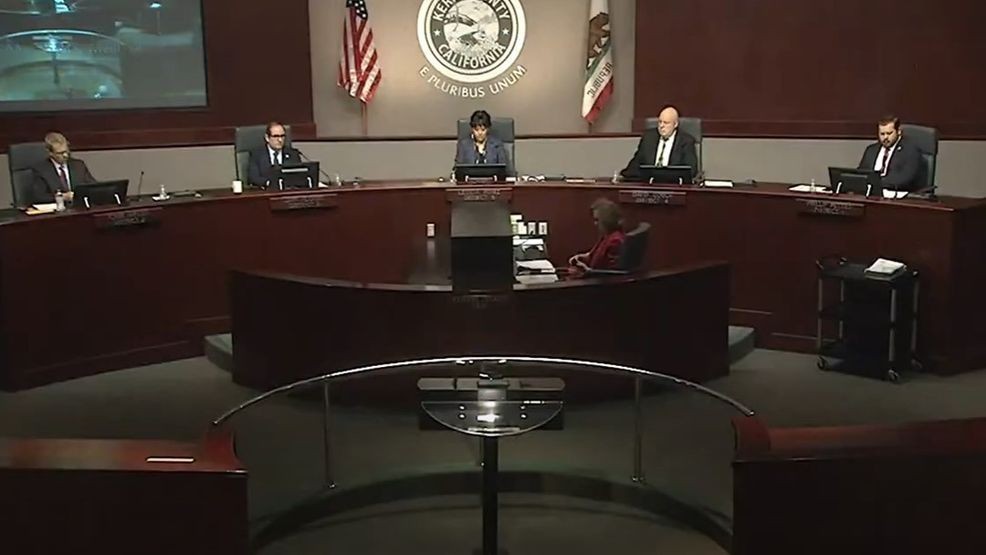
Kern County Board of Supervisors on Feb. 11 PHOTO: YouTube, Kern County
According to a statement from the ADAKC, the adult day program served up to 50 people a day at its peak before the COVID-19 pandemic, but it is now set to close at the end of May.
Until then, hours will be reduced to 8 a.m. to 2 p.m.
Caregivers said the closure leaves them worried about what comes next.
“This daycare program can’t close. We have so many people who benefit from it,” said caregiver Yuri Lou Miller.
In a statement, the Alzheimer’s Disease Association of Kern County said the decision was not due to mismanagement or a sudden financial emergency. “To be direct: this is not a crisis of mismanagement or a sudden financial emergency,” the organization said.
The organization said the social adult day program model has become “structurally unsustainable nationwide,” as funding has shifted toward clinical, outcomes-based, and home and community-based services.
Alzheimer’s Disease Association of Kern County. KBAK/KBFX
The adult day program operated as a private-pay, social model program, meaning families paid out of pocket, and for many families, the organization said, the cost was too high to sustain over time.
The association also cited rising costs and said programs focused on social engagement and caregiver respite outside of a medical framework have been treated as a lower funding priority.
The ADAKC said Kern County has more than 900,000 residents and that tens of thousands of families are living with dementia, including in Tehachapi and Ridgecrest, in Delano and Wasco, in rural mountain communities, and across Spanish-speaking communities.
Linda Elieff, a caregiver, described the toll caregiving can take. “Regardless of how many degrees I have, how many local, state, national, and international certifications I’ve earned, years of experience as a healthcare professional, as a speech pathologist, nothing prepared me for this experience,” Elieff said.
The organization said that since 2024, daily enrollment in the adult day program has been about 20 to 25 individuals, with roughly 100 participants served annually.
It described that as a small number compared to the growing need across Kern County.
As it closes the adult day program, the Alzheimer’s Disease Association of Kern County said it plans to expand services differently.
Beginning May 4, 2026, the organization said it will operate as a mobile, countywide dementia caregiver support hub, offering caregiver navigation, education workshops, countywide support groups, professional dementia training, and community leadership programs.
The organization said its goal in year one is to serve more than 1,500 families across Kern County.
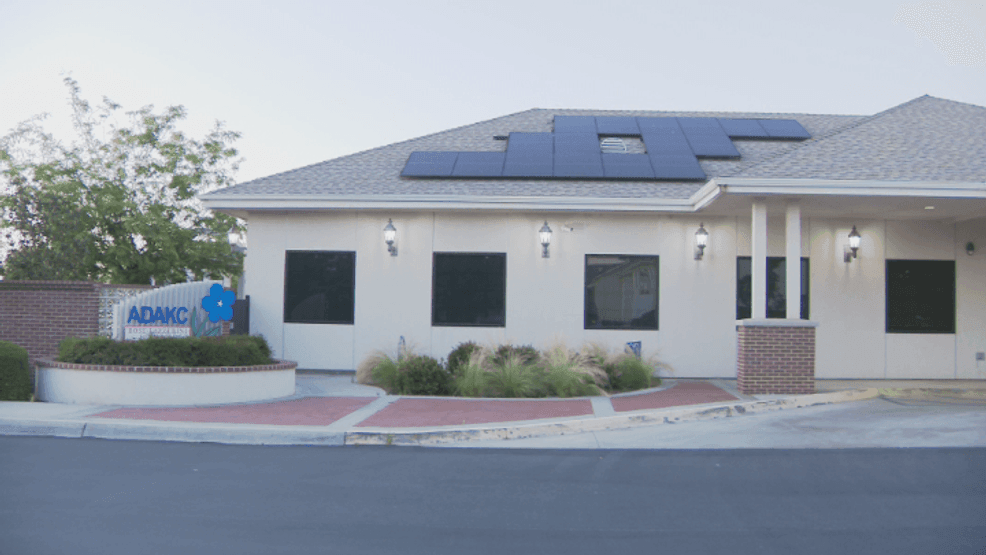
Alzheimer’s Disease Association of Kern County. KBAK/KBFX
Some caregivers said that even with the planned expansion, losing the adult day program leaves a gap.
“While I appreciate the new model that they’re going with, and I appreciate the fact that they’re gonna teach people how to be better caregivers. What, in fact, is actually helping the caregiver is having a place to bring your person,” said Teresa Shoemaker.
The association said it has contacted each family personally and worked to connect them with resources and alternative programs.
It also said it held a dedicated meeting for caregivers and families after the announcement so they could share their feelings, ask questions, and hear directly from leadership about the decision.
“For more than 40 years, ADAKC has been honored to serve individuals living with dementia and the families who love them,” the organization said. “ADAKC remains open, committed, and ready to be Kern County’s resource for dementia support for decades to come.”