
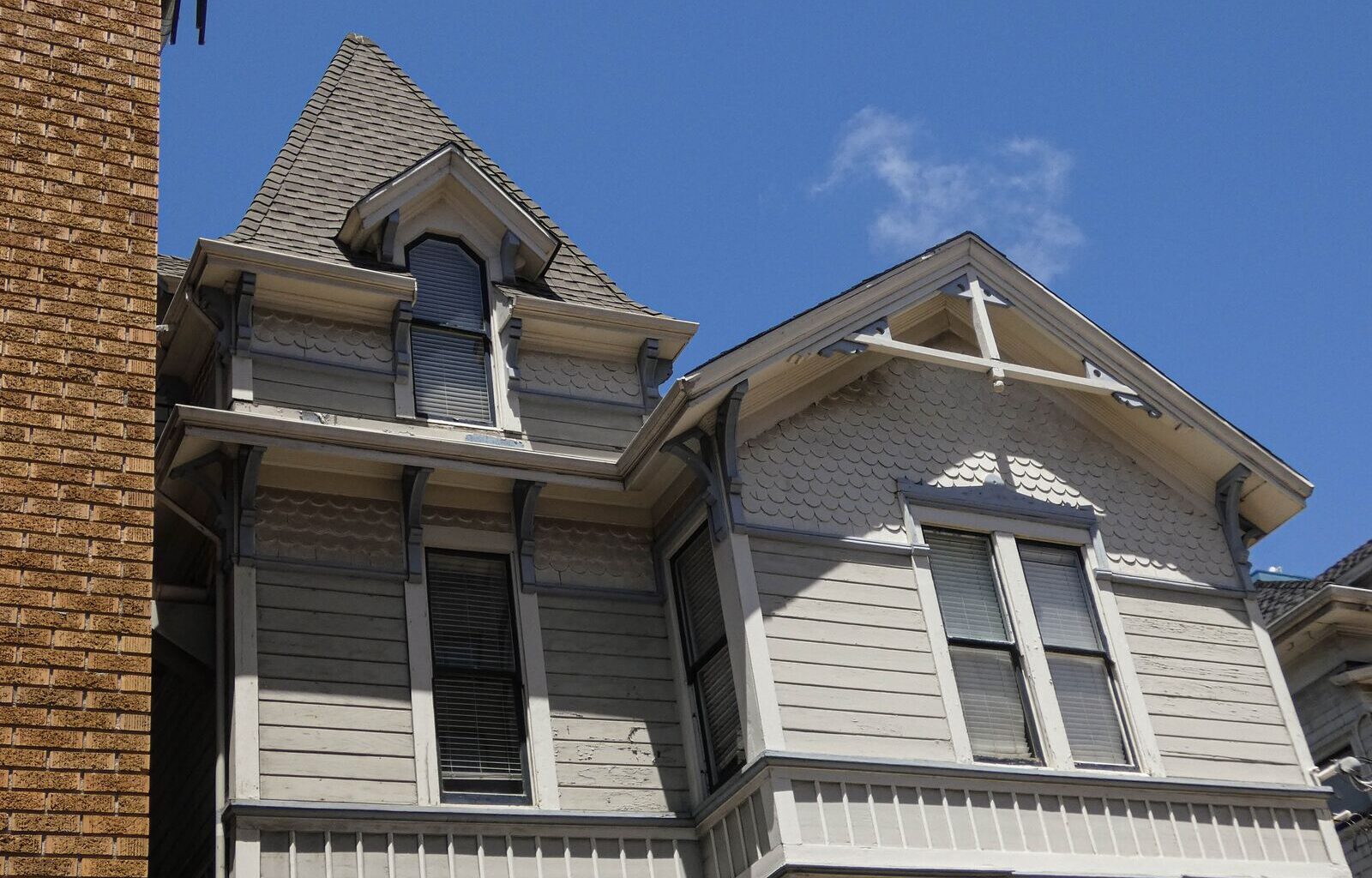
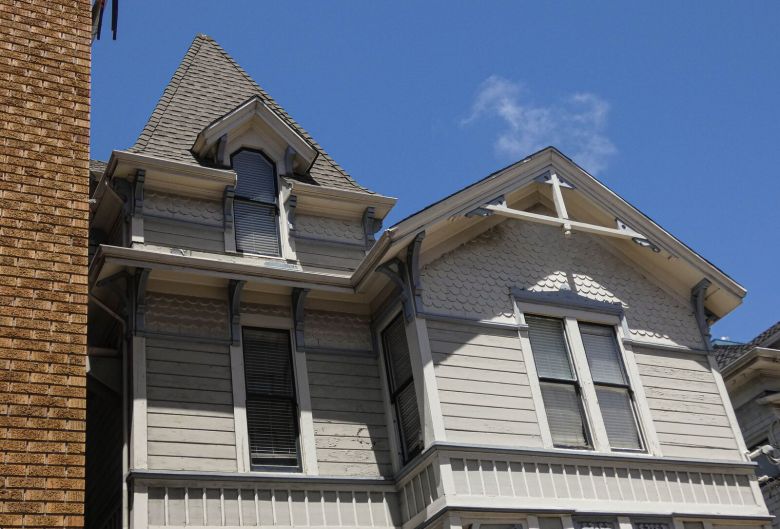
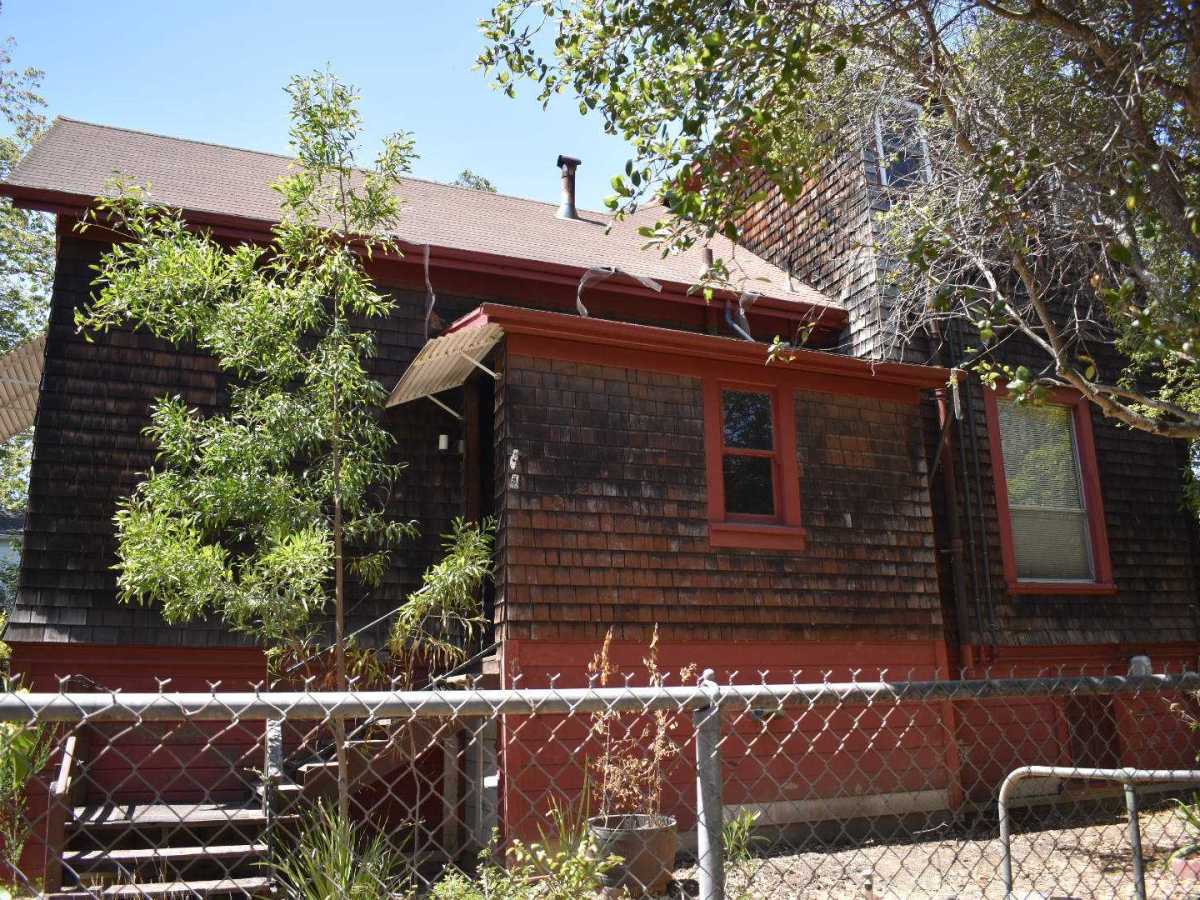
 The Berkeley Landmarks Preservation Commission declared the home at 2421 Durant Ave. a landmark following a citizen petition drive. The City Council reversed that decision. Credit: Daniel Ekonde/Berkeleyside
Preservationists who want to declare a property a Berkeley landmark will now have to collect four times as many petition signatures to start that process.
The Berkeley City Council voted Tuesday to raise the threshold for public petitions to consider bestowing landmark status, driven by concerns among some members and housing advocates that the process has been used as a tool to block or slow down new development with dubious claims of architectural or historical merit. Local preservationists and the city’s Landmarks Preservation Commission argued the change goes too far, and risks shutting down citizen participation.
The council voted to raise the number of citizen signatures needed to start the landmarking process from 50 to 200, and barred city staff from considering landmark applications for properties where owners have submitted plans to build new housing for five years after the project is first proposed. California already prohibits cities from enforcing new limitations on a property once a housing application is submitted under the 2019 streamlining law SB 330.
Councilmember Rashi Kesarwani, who led the push to raise the limit, had called for increasing it to as many as 400 signatures. The Landmarks Preservation Commission argued the mark should be set at 100.
“The LPC acknowledges the council’s concerns regarding staff workload and the potential for the current low threshold to cause project delays and uncertainty,” commissioners wrote in a letter ahead of Tuesday’s meeting. But, they added, a much higher threshold is “onerous and would effectively eliminate the public’s ability to participate in the landmarking process. Such a significant increase is contrary to Berkeley’s long tradition of active, participatory democracy.”
Gathering enough petition signatures does not mean that a structure will be declared a landmark — it only starts a process in which supporters of the claim must make the case to the landmarks commission that a structure is worthy of the designation. The commission’s decisions can then be appealed to the City Council.
Landmark status makes it more difficult, though not impossible, to demolish structures and replace them with new development. Developers contend that even if the landmarking attempt is unsuccessful, the process can tie up projects for months at a time, adding to construction costs.
Councilmember Mark Humbert said the 50-signature threshold was “anti-democratic” because it allowed a small group of people to delay housing projects. Humbert also noted petition signatures aren’t the only way to launch the landmarking process, since the landmarks commission or City Council could vote to do so.
“These are overdue reforms to help prevent abuse of the landmarking process,” he said of the changes the council approved Tuesday.
Eight council members voted to enact the changes, with Councilmember Igor Tregub abstaining. Tregub had introduced a proposal to set the threshold at 200 signatures last fall, in response to Kesarwani’s 400-signature proposal. But after hearing concerns from preservationists and landmarks commission members, Tregub said, “I no longer feel comfortable with 200,” and instead wanted to set a lower bar.
Related stories
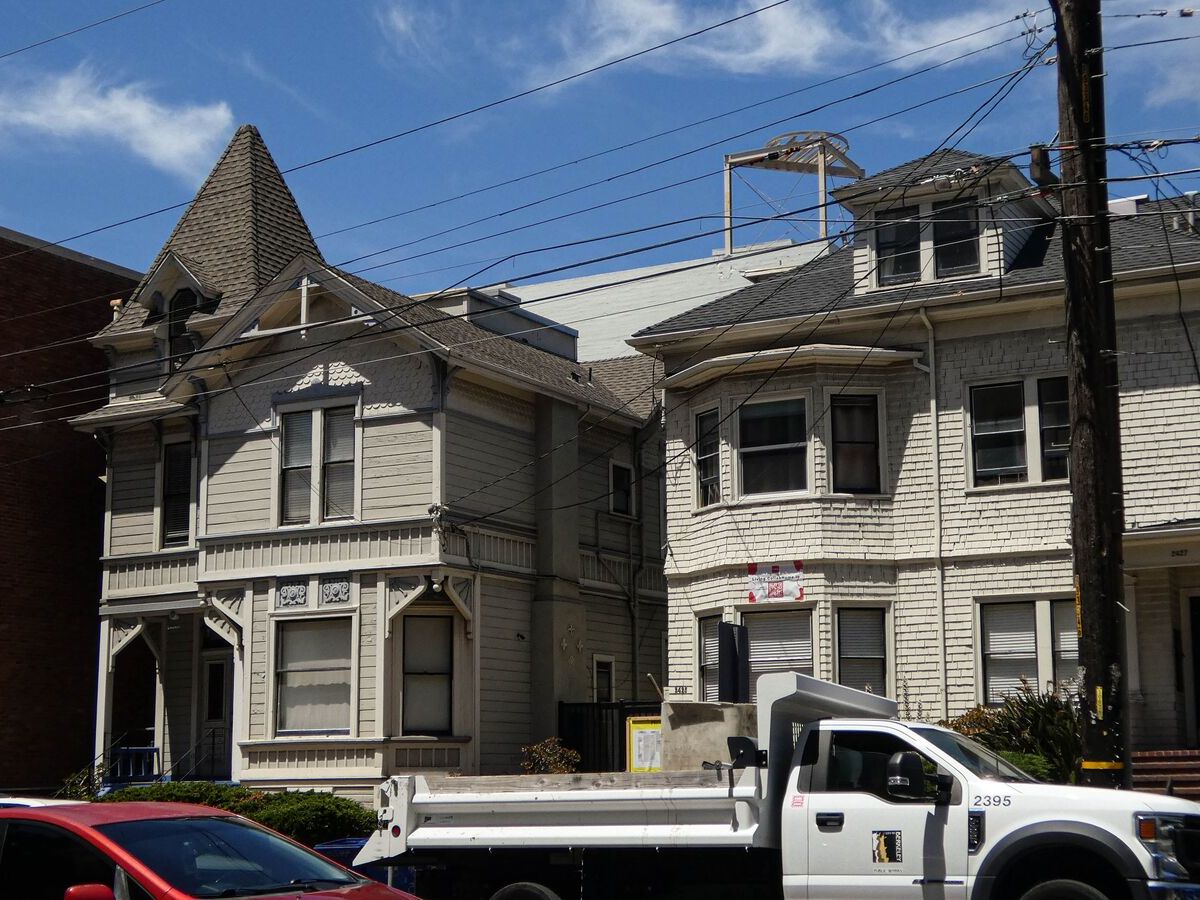
Tired of ‘frivolous’ landmark attempts, Berkeley council members want to raise bar for petitions
April 14, 2026April 14, 2026, 11:01 a.m.
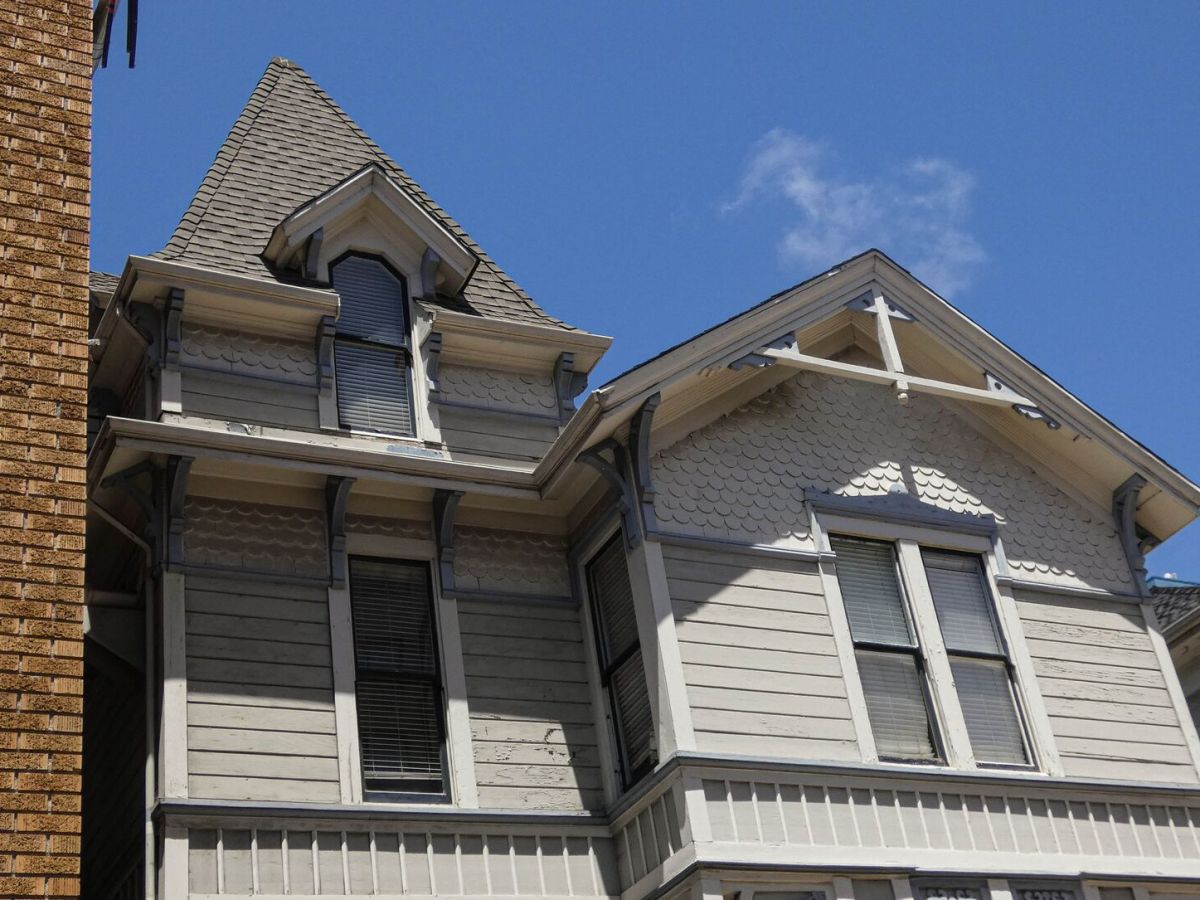
City Council shoots down attempts to landmark 2 buildings eyed for housing
July 24, 2025July 24, 2025, 4:51 p.m.
Landmarking fails for 130-year-old Berkeley house in passionate debate over housing, history
August 7, 2020Oct. 4, 2022, 1:59 a.m.
“*” indicates required fields