
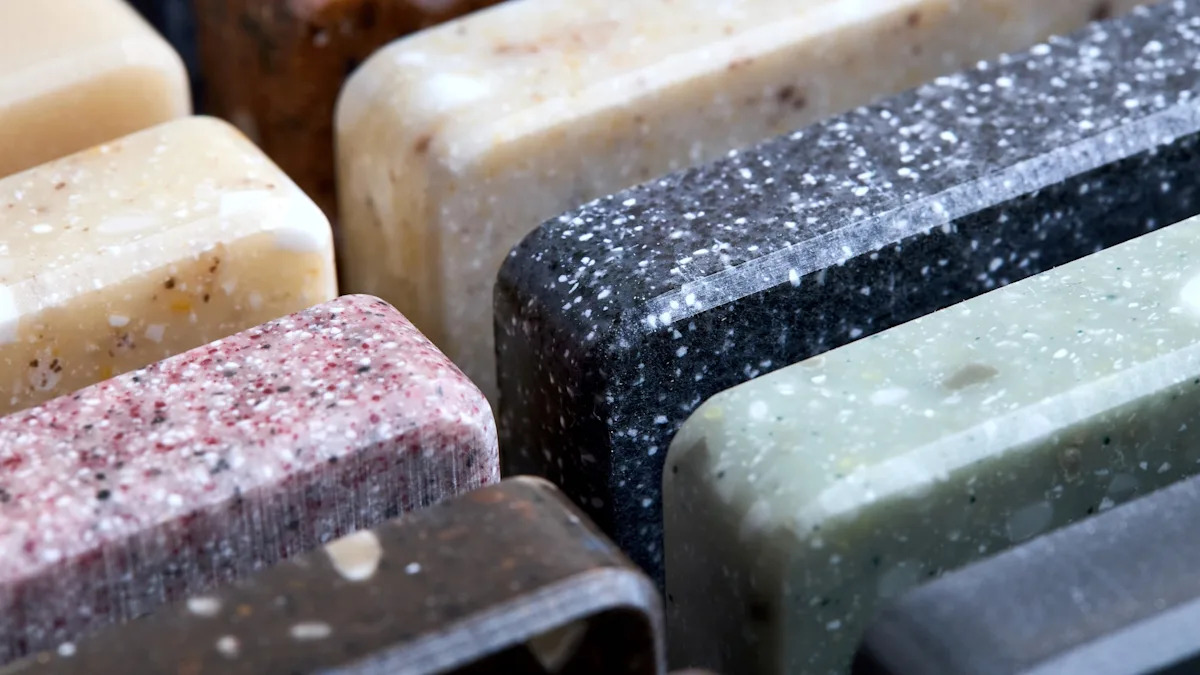
A hidden danger lurking in America’s kitchens is fueling a heated public health battle, and California could soon make history by banning these countertops for good.
At the center of the controversy are artificial, or “engineered,” stone countertops. Widely used for their sleek look and lower cost compared to natural materials, they’ve become a staple in modern homes. But beneath their polished surfaces lies a serious health risk.
According to Public Health Watch, cases of silicosis, an incurable and often fatal lung disease caused by inhaling fine silica dust, have surged among workers who cut and polish these materials. In California, confirmed cases have jumped from just 69 in 2022 to more than 500 this year, with dozens of reported deaths.
“Artificial stone is too toxic to be safely fabricated,” said lawyer Raphael Metzger, per Public Health Watch. “Every week I meet with about a half-dozen fabricators, many of whom have silicosis.”
Engineered stone is made by crushing quartz and binding it with resins, producing slabs that can contain more than 90% crystalline silica, the most hazardous form of the mineral. Many of the workers exposed are young and from immigrant communities, putting already vulnerable populations at heightened risk.
Still, the idea of an outright ban remains contentious. Industry representatives argue that stricter safety measures could significantly reduce exposure while preserving consumer choice.
Others contend that no amount of regulation can eliminate the dangers.
“The silicosis crisis is not a failure of rules — it’s a failure of a product,” argued lawyer James Nevin, per Public Health Watch. The Western Occupational and Environmental Medical Association’s “proposed ban works because it removes that hazard at its source. Every jurisdiction that has reduced disease has done so by eliminating crystalline silica artificial stone itself — not by pretending it can be used safely.”
If California moves forward with a ban, experts said it could accelerate the shift toward alternative countertop materials that offer a similar aesthetic without the same health risks — a change that could better protect workers while still giving homeowners the kitchens they want.
Get TCD’s free newsletters for easy tips, smart advice, and a chance to earn $5,000 toward home upgrades. To see more stories like this one, change your Google preferences here.