
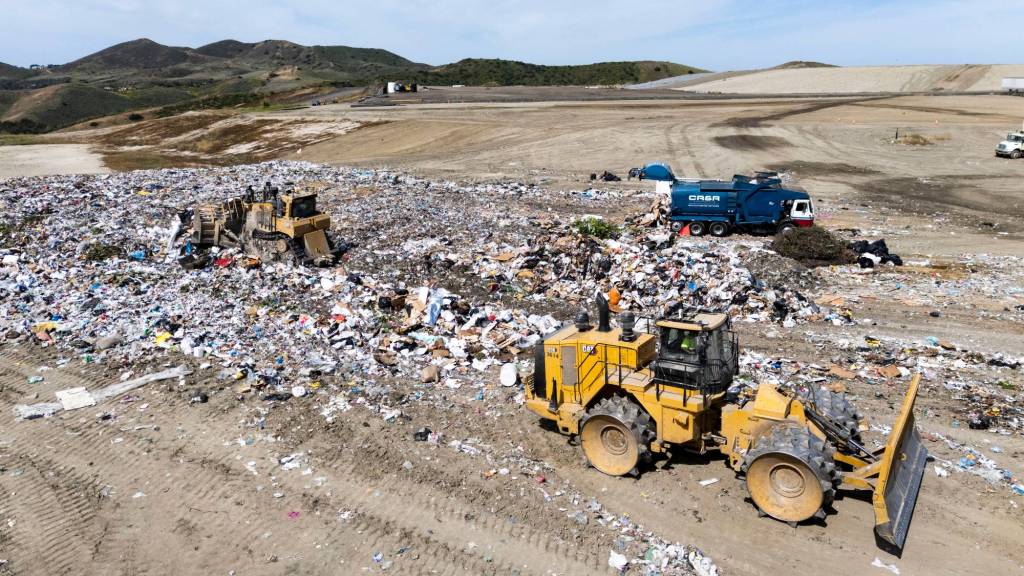
A proposal to double the daily trash intake at an Orange County landfill has triggered backlash from residents, underscoring the county’s challenge in managing the stream of waste while managing the impacts on nearby communities.
The county operates three active landfills: Olinda Alpha in Brea near Chino Hills State Park, which has been in operation since 1960; Prima Deshecha, which opened in 1976 and borders San Clemente and San Juan Capistrano; and Frank R. Bowerman in Irvine, opened in 1990.
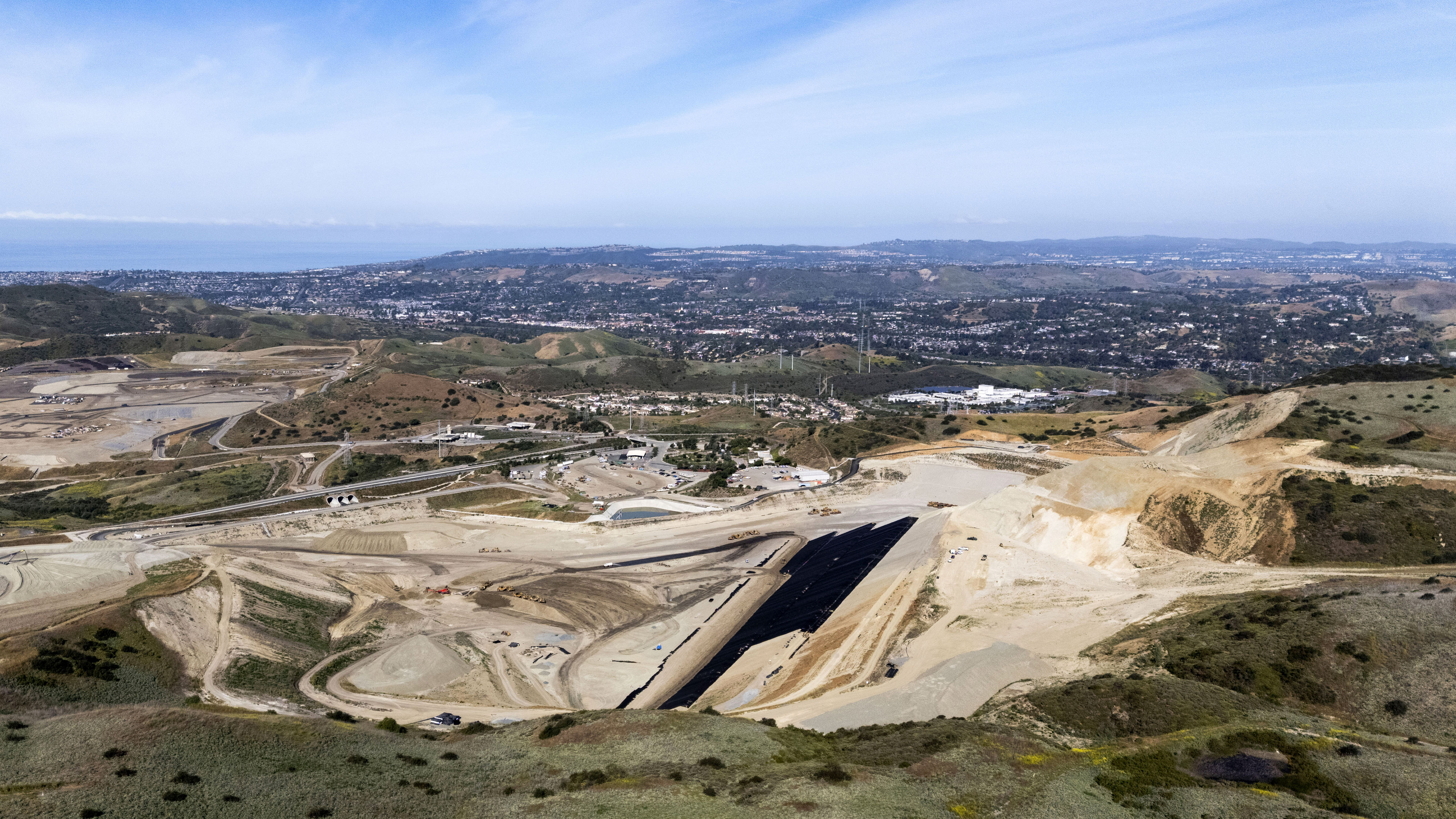
Work continues in a new area, Zone 4, Phase A, at the Prima Deshecha Landfill in San Juan Capistrano, CA on Friday, April 3, 2026. Current operations are on the west side of Avenida La Pata, center, left, while this area is on the east side. (Photo by Paul Bersebach, Orange County Register/SCNG)
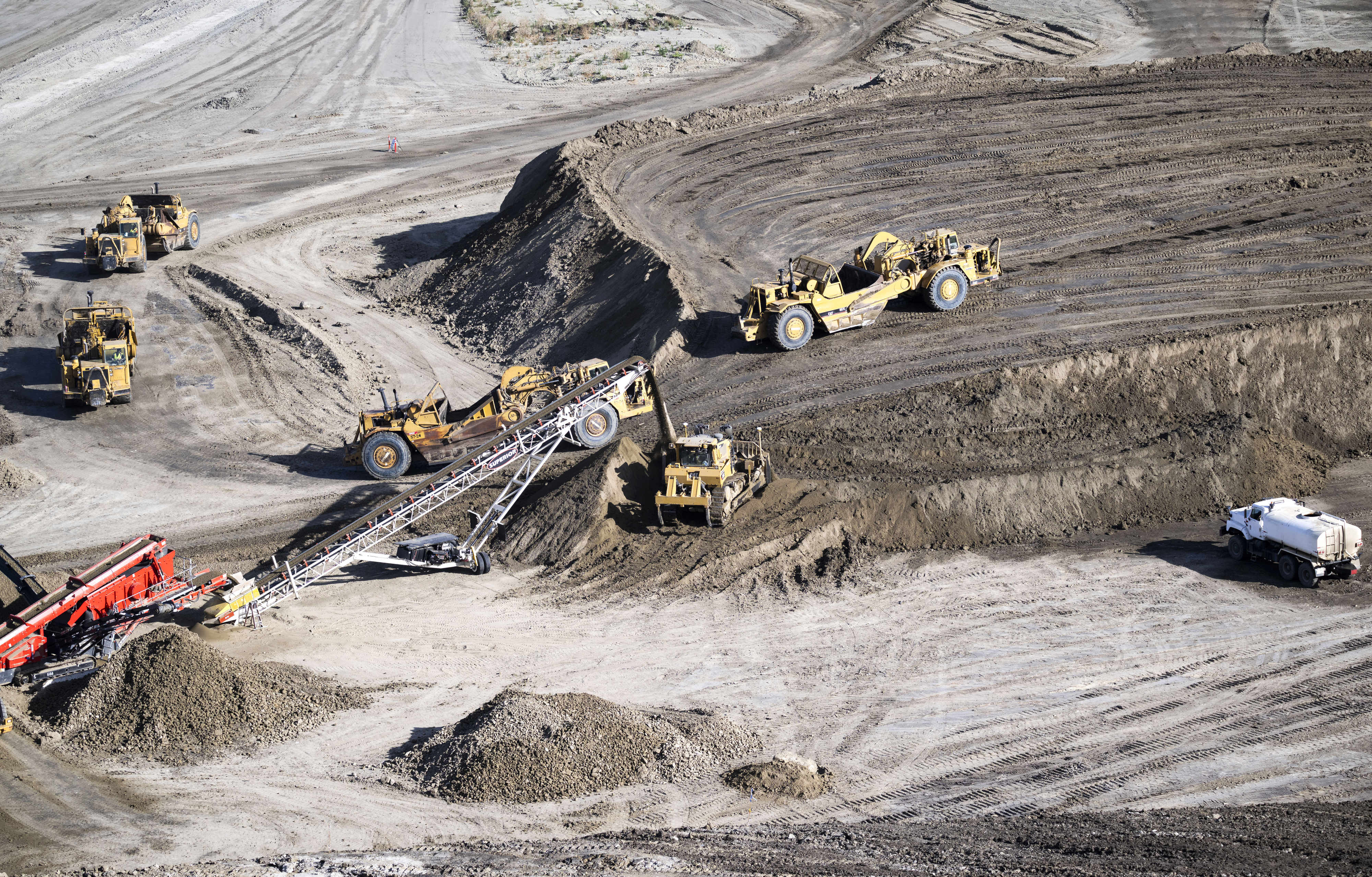
Grading is underway in Zone 4, Phase A at the Prima Deshecha Landfill in San Juan Capistrano, CA on Friday, April 3, 2026. Current operations are on the west side of Avenida La Pata, while this area is on the east side. (Photo by Paul Bersebach, Orange County Register/SCNG)
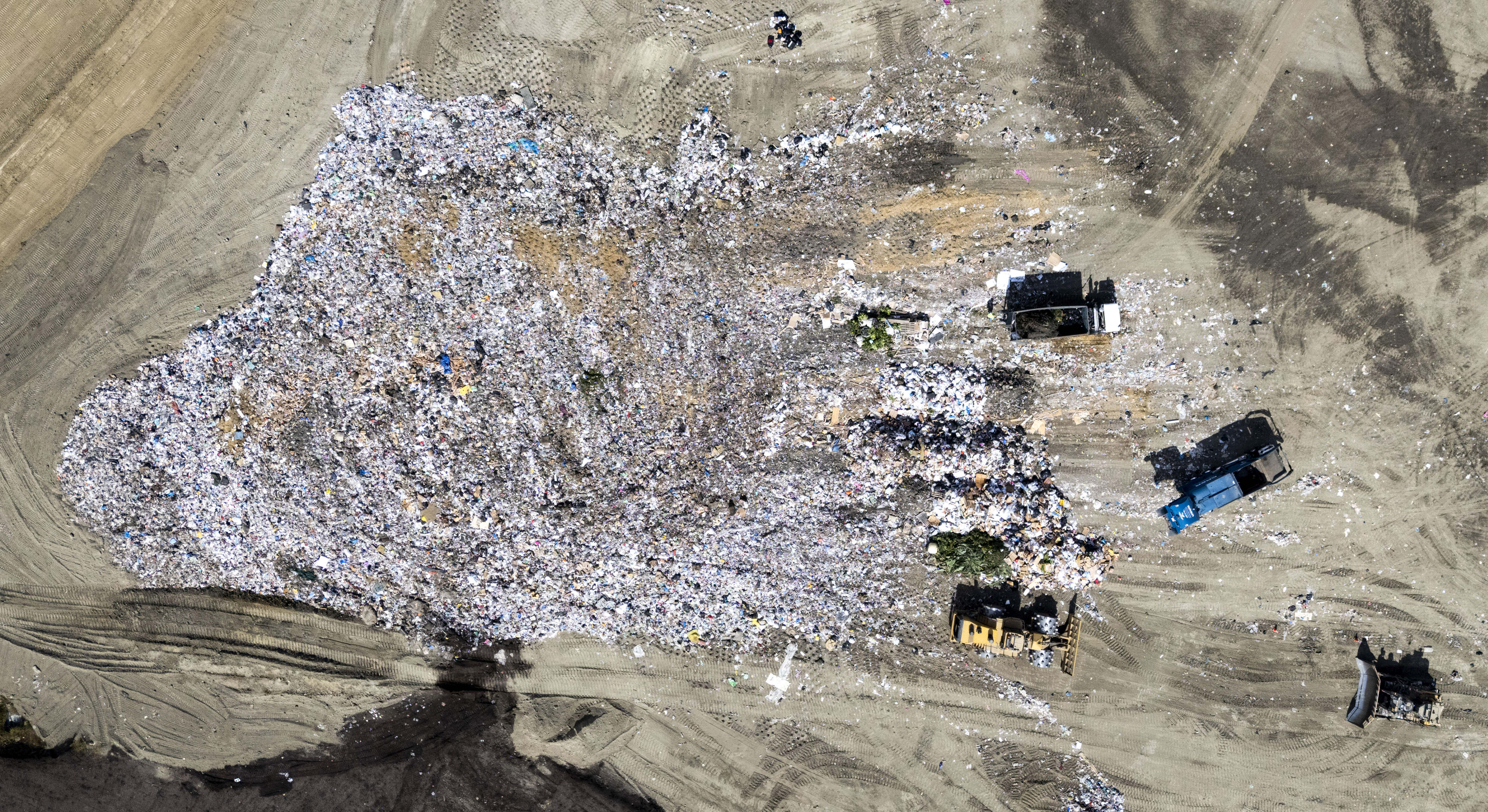
Trucks bring in trash as it is processed in Zone 1, the active area of the Prima Deshecha Landfill in San Juan Capistrano, CA on Friday, April 3, 2026. (Photo by Paul Bersebach, Orange County Register/SCNG)
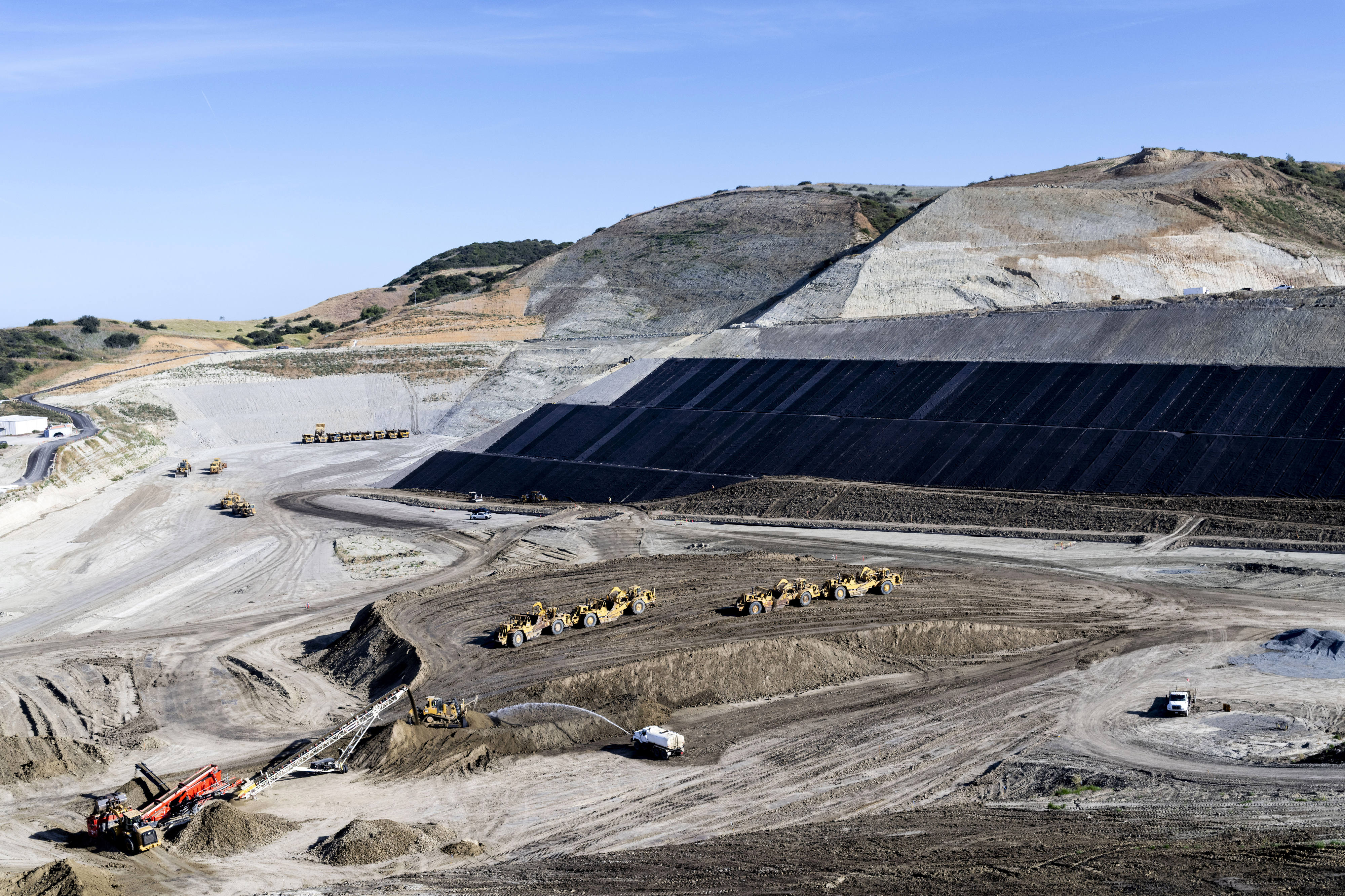
Grading and liner installation is underway in a new area, Zone 4, Phase A, at the Prima Deshecha Landfill in San Juan Capistrano, CA on Friday, April 3, 2026. Current operations are on the west side of Avenida La Pata, while this area is on the east side. (Photo by Paul Bersebach, Orange County Register/SCNG)
Show Caption
1 of 4
Work continues in a new area, Zone 4, Phase A, at the Prima Deshecha Landfill in San Juan Capistrano, CA on Friday, April 3, 2026. Current operations are on the west side of Avenida La Pata, center, left, while this area is on the east side. (Photo by Paul Bersebach, Orange County Register/SCNG)
OC Waste and Recycling staff are proposing that Prima Deshecha’s daily maximum trash intake be allowed to increase from 4,000 to 8,000 tons to prepare for the projected closure of the Olinda Alpha Landfill within the next decade, according to an environmental impact report the department released in January.
The proposal follows the 2023 groundbreaking of an $88 million excavation project to expand Prima Deshecha’s capacity. The project, which was initially approved in 2001, involves clearing 65 acres of the landfill’s unused property and excavating 7 million cubic yards of dirt and rock to accommodate South Orange County’s waste disposal needs through 2102, extending the facility’s operating life by 50 years.
Traci Barr and Tracy Sutherland, residents in the Talega neighborhood of San Clemente, launched a petition opposing the tonnage increase and a fundraiser to secure legal representation for families in nearby communities, many of whom say the landfill causes a host of environmental and quality-of-life issues at its current operating capacity. Barr and Sutherland are also working with the city of San Clemente to host an upcoming town hall meeting on April 30.
“As times change and cities grow, there are more people living in California, and that needs to be taken into consideration,” Sutherland said. “Landfills should be placed accordingly, especially as we continue to see more people affected by toxic gases and increased traffic.”
Barr said while she accepts that San Clemente and San Juan Capistrano residents should bear responsibility for their own garbage, it’s unfair for a landfill located in south OC to take on waste from elsewhere in the county.
“We’re trying to stop the tonnage, not shut down the landfill,” Barr said.
Ryan Dillon, a San Juan Capistrano resident who lives near the landfill, said the dirt and foul odor from the facility, carried over to the nearby community by strong winds, has grown progressively worse in recent years.
“You can wipe down the barbecue grill in the backyard, and the next day it’s covered in dirt again,” Dillon said.
Dillon said he’s most concerned about how the increase in trash deliveries could impact traffic on Avenida La Pata and Ortega Highway, adding that an increase in heavy-duty truck traffic could compromise the safety of students commuting to San Juan Hills High School.
Dillon argues that there must be areas further removed from residential neighborhoods for the county to build a new landfill.
“This county supported building a school, our community, here,” he said, “you can’t continue to expand the landfill and expect all the people living here to want that.”
OC Waste & Recycling spokesperson Irene Alonso emphasized that raising the tonnage limit would be a “gradual” process based on the waste disposal needs of the county. Alonso said the department is working on improving communication with community members as the process moves forward.
“It’s important for constituents to understand the landfill planning process and the extended timeframe that it takes to build out our system so that we may have adequate capacity for our long-term needs,” she said.
Reducing waste generation is the most effective way to maximize the lifespan of landfills, Alonso added.
OCWR has implemented a number of mitigation measures on site, she said, including a recycling program for metals and mattresses. The department has also installed gas wells to better control gas emissions, odor neutralizers to reduce stench, as well as various programs that convert landfill gas to energy, Alonso said.
The county is currently reviewing thousands of public comments on the environmental impact report, which analyzes the impact of the tonnage increase, said Supervisor Katrina Foley, whose district includes the landfill. The process, she said, will take some time, after which the county will schedule a community meeting to discuss concerns about and potential changes to the proposal.
The OC Board of Supervisors likely won’t schedule a discussion and vote on the issue until the fall, Foley said.
“The good news is the community has spoken loudly, that gives me the strong ability to say, ‘Hey, we need to step back and really consider what do we actually need,’” she said.
In 2023, Foley voted for the $88 million construction contract to expand the landfill’s capacity, but she said that project is separate from the current proposal to drastically increase daily trash intake. Foley said she opposes the doubling of waste capacity at Prima Deshecha, given that the facility has not yet reached its current daily limit of 4,000 tons.
She said she will push OCWR to justify, with proof, the need for the ramp-up in trash intake. Foley noted that the county has two pilot projects underway aimed at mitigating odor and dust: one will add a tarp to the trash dump and another will deploy foam to capture dust.
“I’ll do everything I can,” she said, “to prevent any kind of increase of the tonnage that is not absolutely, positively necessary.”
To find out more about the Prima Deshecha landfill, visit oclandfills.com/landfills/prima-deshecha-landfill.