
Are California lawmakers trying to criminalize investigative journalism? The short answer is no, but a bill gaining traction at the State Capitol is raising questions about its possible impact on free speech.The bill, AB 2624, has gained a lot of attention online after Republicans dubbed it the “Stop Nick Shirley Act.” But the legislation isn’t about Shirley or investigative journalism. It’s about organizations that provide services to immigrants and protecting them from harassment. Assemblymember Mia Bonta, D-Alameda, wrote the bill to primarily allow people who work or volunteer at immigration support service organizations to be added to the Secretary of State’s “Safe at Home” program. The program is designed to protect individuals who fear for their safety. Supporters have said this is needed in response to the Trump administration’s anti-immigration policies that they say have put workers who provide the services at risk. Under the proposal, immigrant support service providers who have certified, documented threats of harassment or threats would have their personal information shielded. The bill is sponsored by CHIRLA (Coalition for Humane Immigrant Rights), which provides immigration-related services. The nonprofit organization has received $14.3 million in state taxpayer dollars since 2020, according to data provided by the California Department of Social Services.In a hearing on the bill last week, the group’s state policy advocate Monica Madrid said the organization has been facing harassment, intimidation and regular death threats. “Our executive director had somebody go to the home where her mother lives, looking for her,” Madrid told the Assembly Judiciary Committee. “Two of my coworkers were harassed and filmed without their consent, simply trying to go to lunch. Two others were followed into our offices in Sacramento one in Sacramento, one in San Bernardino. We just got an email today about another staff member being followed into the office in Los Angeles, and security had to intervene.”The bill also makes it illegal for a person or business to post photos or personal information of those providers on the internet if the poster specifically intends to cause or threaten violence. In other words, if an immigration service provider wanted to have criminal charges brought against a journalist or person for posting an image or personal info under this legislation, a prosecutor would have to prove they did so with the desire to harm them or expose them to harm. The bill also would allow the immigrant service provider to sue a person or business for posting the images or information. How did YouTuber Nick Shirley get involved? In the bill’s first hearing earlier this month in the Assembly Privacy and Consumer Protection Committee, Assemblyman Carl DeMaio, R-San Diego, raised questions about how the bill could be interpreted. DeMaio asked if Somali learning centers could be considered immigrant service providers. He pointed to Shirley’s reporting on them. DeMaio noted there is no exemption in the proposal for journalists and worried journalists could be punished. “In this bill, applicants have to show evidence of threats, harassment, or violence. In the scenario that you’ve offered, neither of those things were happening,” Bonta said. DeMaio disagreed. “This is not about protecting people from violence. This is about threatening and intimidating people who are trying to shine a light on bad behavior. If you have nothing to hide, why fear the transparency?” DeMaio said. KCRA 3 reached out to Assemblymember Bonta’s office and asked how, with the way the bill was written as of Monday, she could guarantee news organizations or journalists would not be sued under the proposal. “The Assemblymember introduced this bill to protect workers facing threats and harassment,” said Daniel McGreevy, a spokesman for Bonta. “The bill is not intended to impede journalism, and we’re committed to ensuring that’s clear in the language.”We also checked in with adjunct McGeorge School of Law Professor and longtime California lobbyist Chris Micheli about the proposal.”You have to read all of the bill language to understand how narrow the bill language actually is,” Micheli said. “The courts when they’re considering whether a law violates someone’s free speech rights, they try to balance competing interests and they ask is this limitation on someone’s speech outweighed by the need to limit that free speech? I think this is one of those instances where these resource providers are often under threats of physical harm and harassment and that generally makes the courts more willing to accept some limitations on somebody’s right to speak freely,” Micheli said. When asked about the possibility news organizations could be exposed to litigation under this proposal, Micheli noted the proposal still has several steps to go before it becomes law. “Part of the legislative process is trying to work on the proposed language in a bill and so it would make sense as the bill makes its way through the process for it to be clarified to ensure those types of lawsuits wouldn’t become common place,” Micheli said. The proposal’s next hearing is in the Assembly Public Safety Committee on Tuesday. See more coverage of top California stories here | Download our app | Subscribe to our morning newsletter | Find us on YouTube here and subscribe to our channelKCRA 3 Political Director Ashley Zavala reports in-depth coverage of top California politics and policy issues. She is also the host of “California Politics 360.” Get informed each Sunday at 8:30 a.m. on KCRA 3.
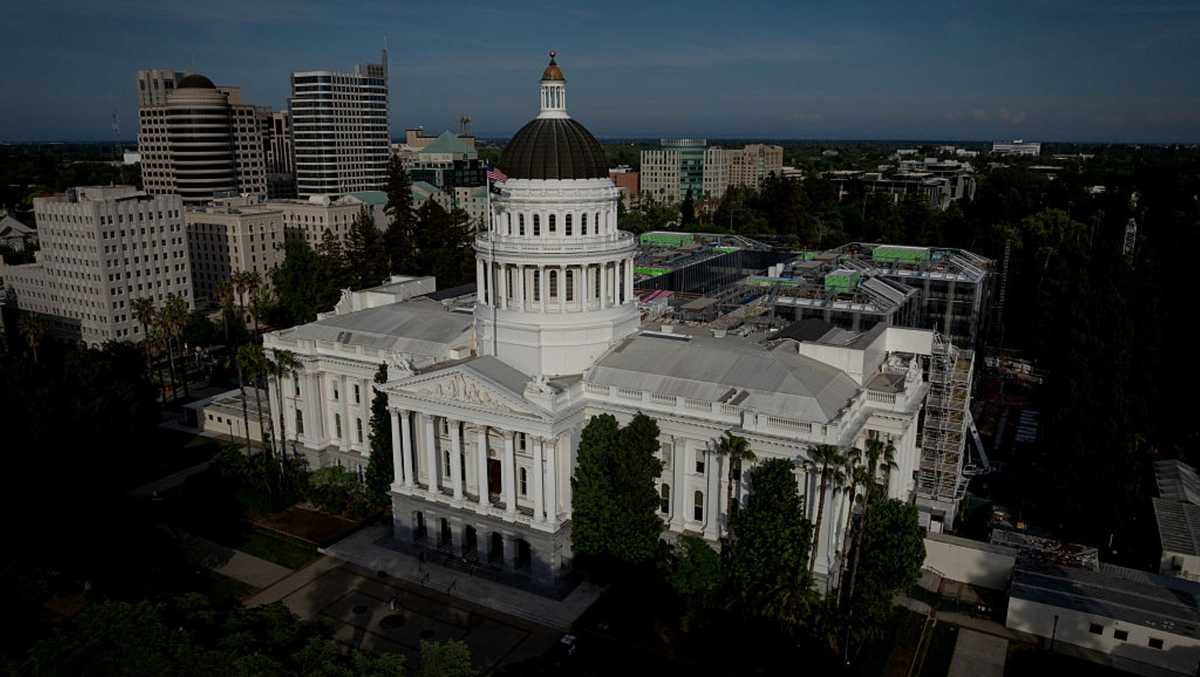
SACRAMENTO, Calif. —
Are California lawmakers trying to criminalize investigative journalism?
The short answer is no, but a bill gaining traction at the State Capitol is raising questions about its possible impact on free speech.
The bill, AB 2624, has gained a lot of attention online after Republicans dubbed it the “Stop Nick Shirley Act.”
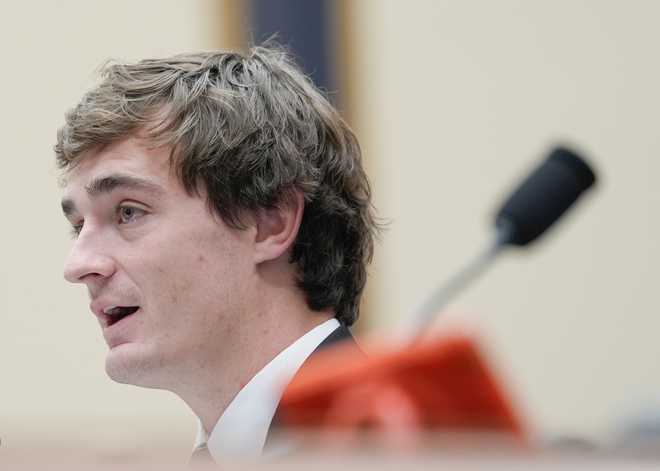
But the legislation isn’t about Shirley or investigative journalism. It’s about organizations that provide services to immigrants and protecting them from harassment.
Assemblymember Mia Bonta, D-Alameda, wrote the bill to primarily allow people who work or volunteer at immigration support service organizations to be added to the Secretary of State’s “Safe at Home” program. The program is designed to protect individuals who fear for their safety. Supporters have said this is needed in response to the Trump administration’s anti-immigration policies that they say have put workers who provide the services at risk.
Under the proposal, immigrant support service providers who have certified, documented threats of harassment or threats would have their personal information shielded.
The bill is sponsored by CHIRLA (Coalition for Humane Immigrant Rights), which provides immigration-related services. The nonprofit organization has received $14.3 million in state taxpayer dollars since 2020, according to data provided by the California Department of Social Services.
In a hearing on the bill last week, the group’s state policy advocate Monica Madrid said the organization has been facing harassment, intimidation and regular death threats.
“Our executive director had somebody go to the home where her mother lives, looking for her,” Madrid told the Assembly Judiciary Committee. “Two of my coworkers were harassed and filmed without their consent, simply trying to go to lunch. Two others were followed into our offices in Sacramento one in Sacramento, one in San Bernardino. We just got an email today about another staff member being followed into the office in Los Angeles, and security had to intervene.”
The bill also makes it illegal for a person or business to post photos or personal information of those providers on the internet if the poster specifically intends to cause or threaten violence.
In other words, if an immigration service provider wanted to have criminal charges brought against a journalist or person for posting an image or personal info under this legislation, a prosecutor would have to prove they did so with the desire to harm them or expose them to harm.
The bill also would allow the immigrant service provider to sue a person or business for posting the images or information.
How did YouTuber Nick Shirley get involved?
In the bill’s first hearing earlier this month in the Assembly Privacy and Consumer Protection Committee, Assemblyman Carl DeMaio, R-San Diego, raised questions about how the bill could be interpreted.
DeMaio asked if Somali learning centers could be considered immigrant service providers. He pointed to Shirley’s reporting on them. DeMaio noted there is no exemption in the proposal for journalists and worried journalists could be punished.
“In this bill, applicants have to show evidence of threats, harassment, or violence. In the scenario that you’ve offered, neither of those things were happening,” Bonta said.
DeMaio disagreed.
“This is not about protecting people from violence. This is about threatening and intimidating people who are trying to shine a light on bad behavior. If you have nothing to hide, why fear the transparency?” DeMaio said.
KCRA 3 reached out to Assemblymember Bonta’s office and asked how, with the way the bill was written as of Monday, she could guarantee news organizations or journalists would not be sued under the proposal.
“The Assemblymember introduced this bill to protect workers facing threats and harassment,” said Daniel McGreevy, a spokesman for Bonta. “The bill is not intended to impede journalism, and we’re committed to ensuring that’s clear in the language.”
We also checked in with adjunct McGeorge School of Law Professor and longtime California lobbyist Chris Micheli about the proposal.
“You have to read all of the bill language to understand how narrow the bill language actually is,” Micheli said.
“The courts when they’re considering whether a law violates someone’s free speech rights, they try to balance competing interests and they ask is this limitation on someone’s speech outweighed by the need to limit that free speech? I think this is one of those instances where these resource providers are often under threats of physical harm and harassment and that generally makes the courts more willing to accept some limitations on somebody’s right to speak freely,” Micheli said.
When asked about the possibility news organizations could be exposed to litigation under this proposal, Micheli noted the proposal still has several steps to go before it becomes law.
“Part of the legislative process is trying to work on the proposed language in a bill and so it would make sense as the bill makes its way through the process for it to be clarified to ensure those types of lawsuits wouldn’t become common place,” Micheli said.
The proposal’s next hearing is in the Assembly Public Safety Committee on Tuesday.
See more coverage of top California stories here | Download our app | Subscribe to our morning newsletter | Find us on YouTube here and subscribe to our channel
KCRA 3 Political Director Ashley Zavala reports in-depth coverage of top California politics and policy issues. She is also the host of “California Politics 360.” Get informed each Sunday at 8:30 a.m. on KCRA 3.