
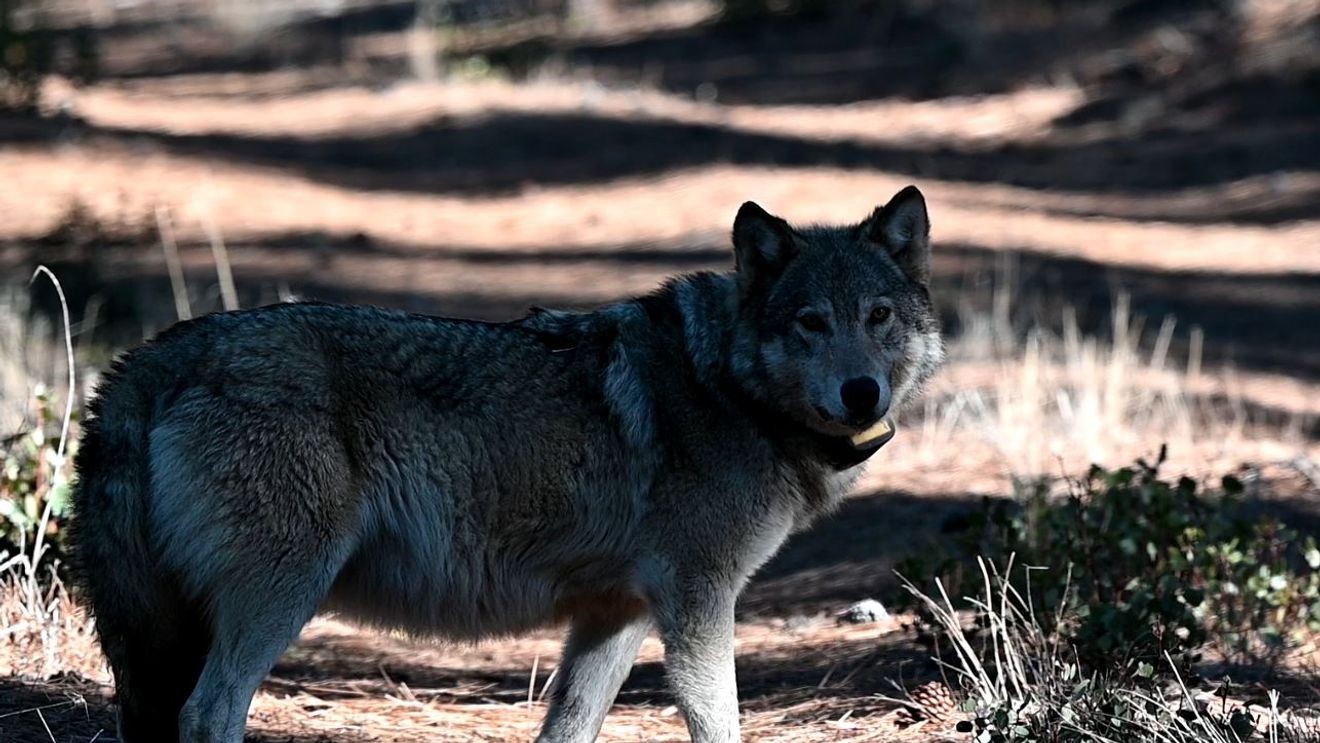
REDDING, Calif. — Gray wolf attacks on livestock are rising in Northern California. Ranchers say the losses are mounting as wolf packs spread quickly across the region.
New data from the California Department of Fish and Wildlife shows there have already been 47 confirmed investigations into wolf attacks this year, with at least 26 livestock dead or severely injured.
Northstate rancher Mary Rickert said producers are struggling to keep up with a growing wolf population and the limits of deterrence efforts.
“Nothing is working, and nothing will work long-term,” Rickert said.
She said the number of wolves is rising quickly and remains difficult to track, even for the California Department of Fish and Wildlife.
Rickert pointed to the Whaleback Pack, which had 10 pups last spring and has since expanded into multiple packs. She said wolves can travel 30 to 35 miles a day, making them difficult to monitor, even with state tracking maps.
Rickert said she has lost about 40 calves, each valued at roughly $1,500, making it difficult to maintain herd size.
“We have to grow our herd from within, so it’s been extremely difficult for us,” she said.
Ranchers have tried various methods to prevent attacks, including flags and drones, but Rickert said those efforts tend to lose effectiveness over time.
“Studies have shown that any kind of hazing — whatever it is — usually only works temporarily, and wolves adapt,” she said.
Rickert said she is advocating for changes at the state level, noting wolves remain protected under state law.
“If there’s a bad wolf, we need to basically exterminate that wolf,” she said.
The Siskiyou County Sheriff’s Department is scheduled to meet with the California Department of Fish and Wildlife to discuss what else can be done.
.–