
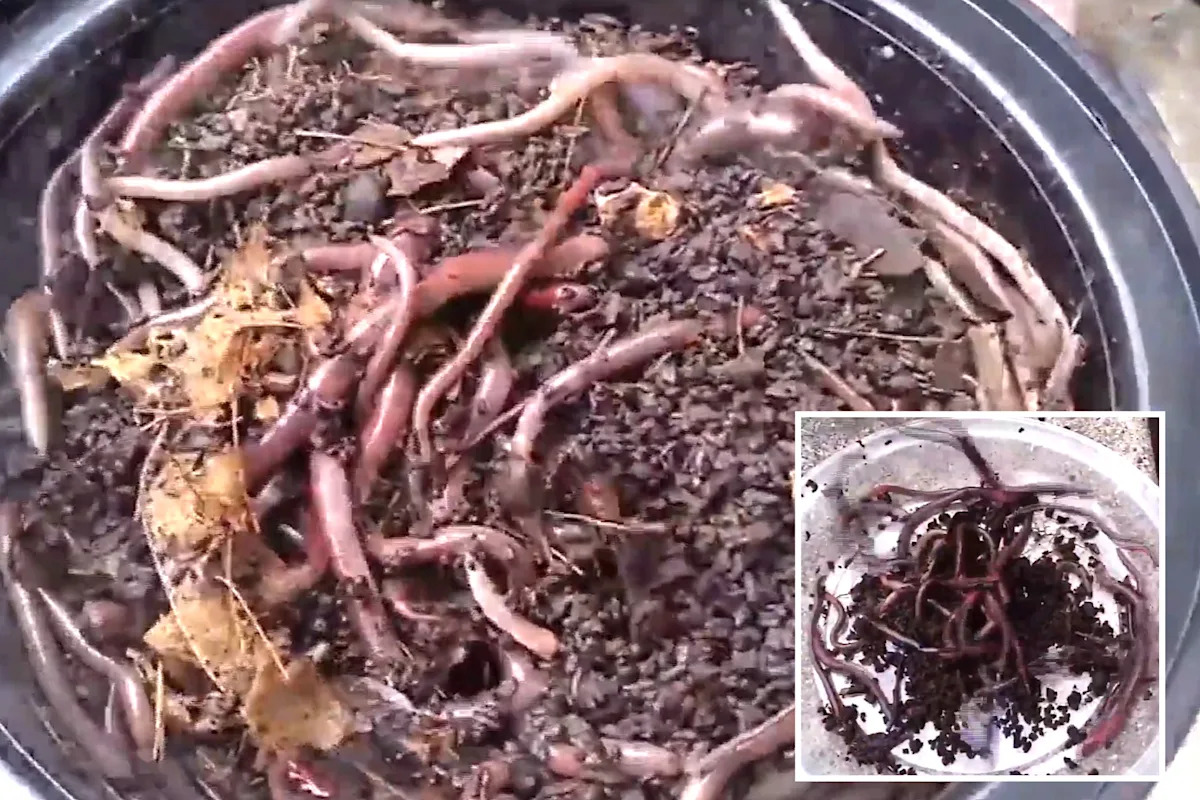
A destructive, fast-moving invader is wriggling its way into yards across the US, and officials say Californians should be on alert.
Agriculture authorities are sounding the alarm over the Asian jumping worm, a highly invasive species that’s already been spotted in multiple states, including the Golden State.
“The jumping worms’ hyper-activity degrades the soil structure, can harm plant roots and accelerate soil drying. This creates a ‘nutrient-poor paradox’ where nutrients are present but unavailable to plants. This can further exacerbate drought conditions, which the state is already in,” the Colorado Department of Agriculture said in a press release.
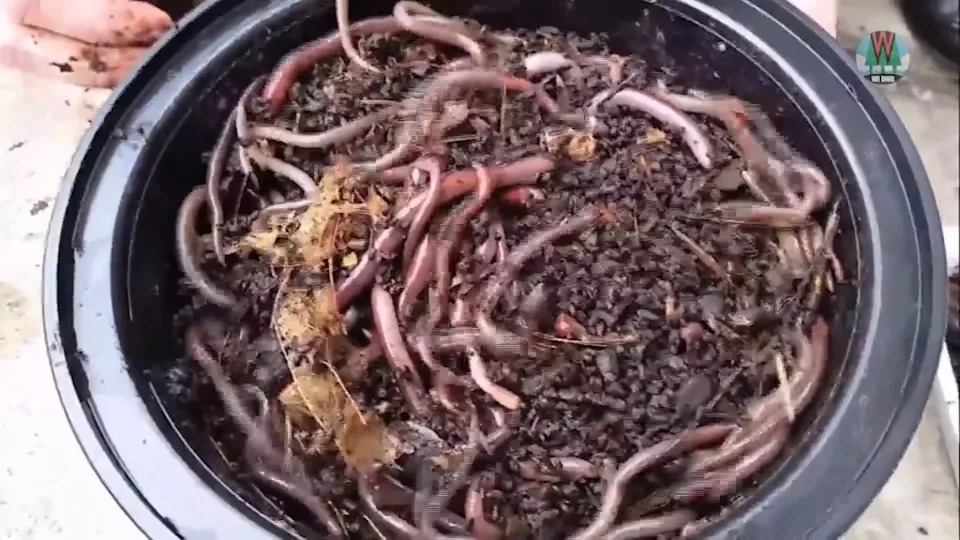
A destructive, fast-moving invader is wriggling its way into yards across the US, and officials say Californians should be on alert. FOX 2 St. Louis
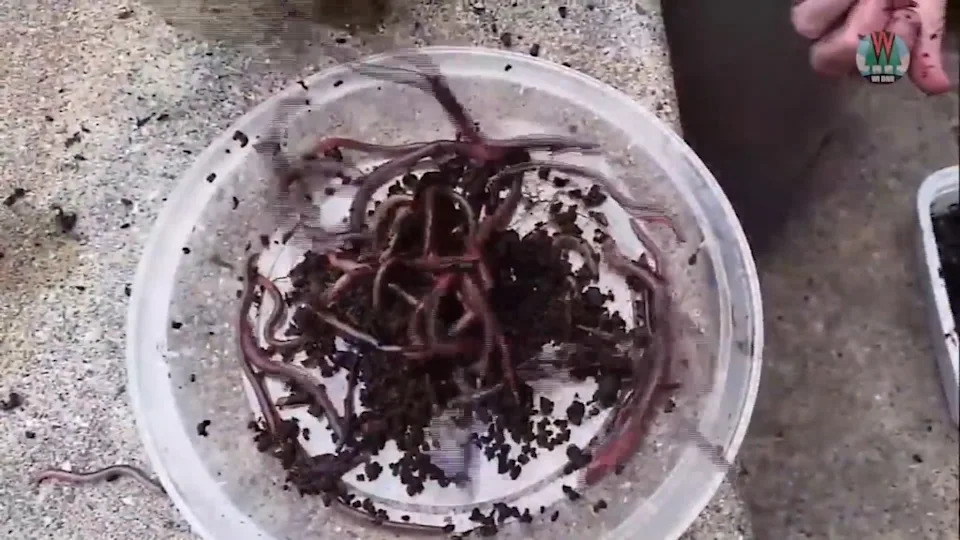
Agriculture authorities are sounding the alarm over the Asian jumping worm, a highly invasive species that’s already been spotted in multiple states, including the Golden State. FOX 2 St. Louis
The worms are easy to spot, and hard to forget.
They’re smooth, dark gray or brown, with a distinctive flat, milky-white band circling their bodies near the head.
Bridging the gap between a gardener’s nightmare and a Klingon’s dream, reports indicate that the invasive Asian jumping worm can flip its body a foot into the air, a violent thrashing behavior that perfectly mirrors the legendary Star Trek delicacy, Gagh.
They also have a bizarre escape tactic, if grabbed by the tail, they can snap it off to get away.
Even more alarming is how quickly they multiply.
The species reproduces without mating, meaning every worm is capable of producing offspring on its own.

Bridging the gap between a gardener’s nightmare and a Klingon’s dream, reports indicate that the invasive Asian jumping worm can flip its body a foot into the air ©Paramount/Courtesy Everett Collection
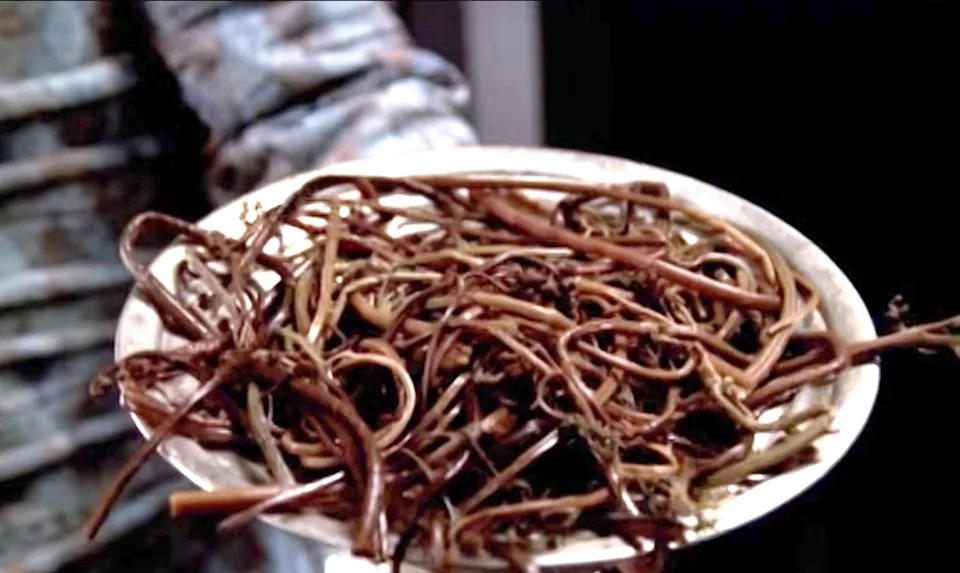
The worms have a violent thrashing behavior that perfectly mirrors the legendary Star Trek delicacy, Gagh. These Are The Voyages | Star Trek Creative Channel
Experts warn that just one worm, or even a tiny cocoon hidden in soil or mulch, can trigger a full-blown infestation in a new location.
Beyond wrecking soil, the worms may also pose a threat to wildlife.
Researchers have found they can be toxic to certain native birds and salamanders, disrupting local ecosystems and stripping away key food sources.
Download The California Post App, follow us on social, and subscribe to our newsletters
California Post News: Facebook, Instagram, TikTok, X, YouTube, WhatsApp, LinkedIn
California Post Sports Facebook, Instagram, TikTok, YouTube, X
California Post Opinion
California Post Newsletters: Sign up here!
California Post App: Download here!
Home delivery: Sign up here!Page Six Hollywood: Sign up here!
With no reliable way to eliminate them once established, officials are urging residents to focus on prevention.
“Do not try to control jumping worms with pesticides. There are currently no registered pesticide products for this pest,” according to the University of California Agriculture and Natural Resources. “Using pesticide products not intended or labeled for the jumping worm is illegal and can kill beneficial earthworms and cause harm to the environment.”
Officials say you should carefully inspect any materials or soil brought into gardens.
Buyers are also advised to choose bare-root plants when possible and confirm that bulk mulch or compost has been heat-treated to at least 130°F for three days to destroy hidden cocoons.