
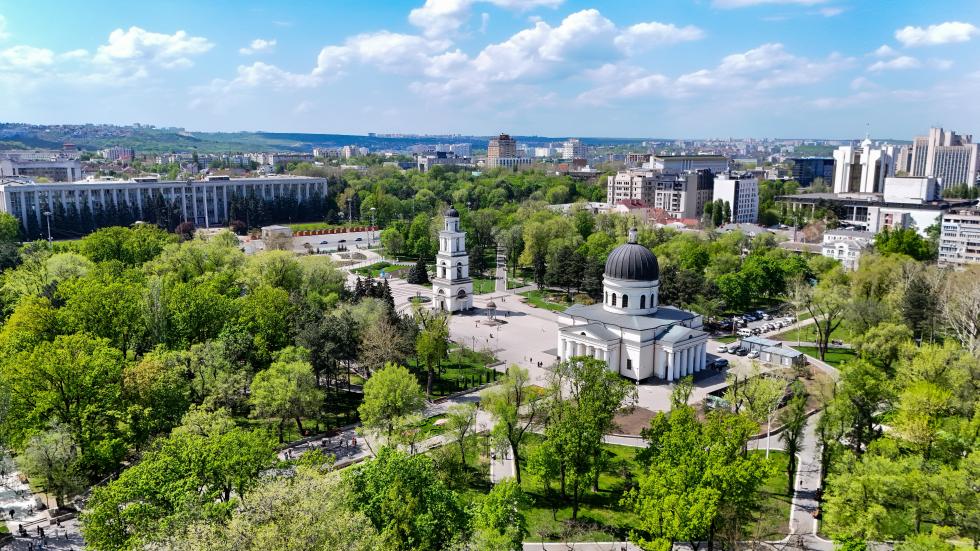
In a quiet lot in Natomas sits an
unassuming tan building with only a gold-plated sign and a red,
yellow and blue flag indicating its significance. It may not look
like much, but it’s of great importance to the foreign government
that rents this space, which shares an entrance with the State
Farm Insurance office next door. Only Maxim Arghir, the city’s
newest professional diplomat, works here.
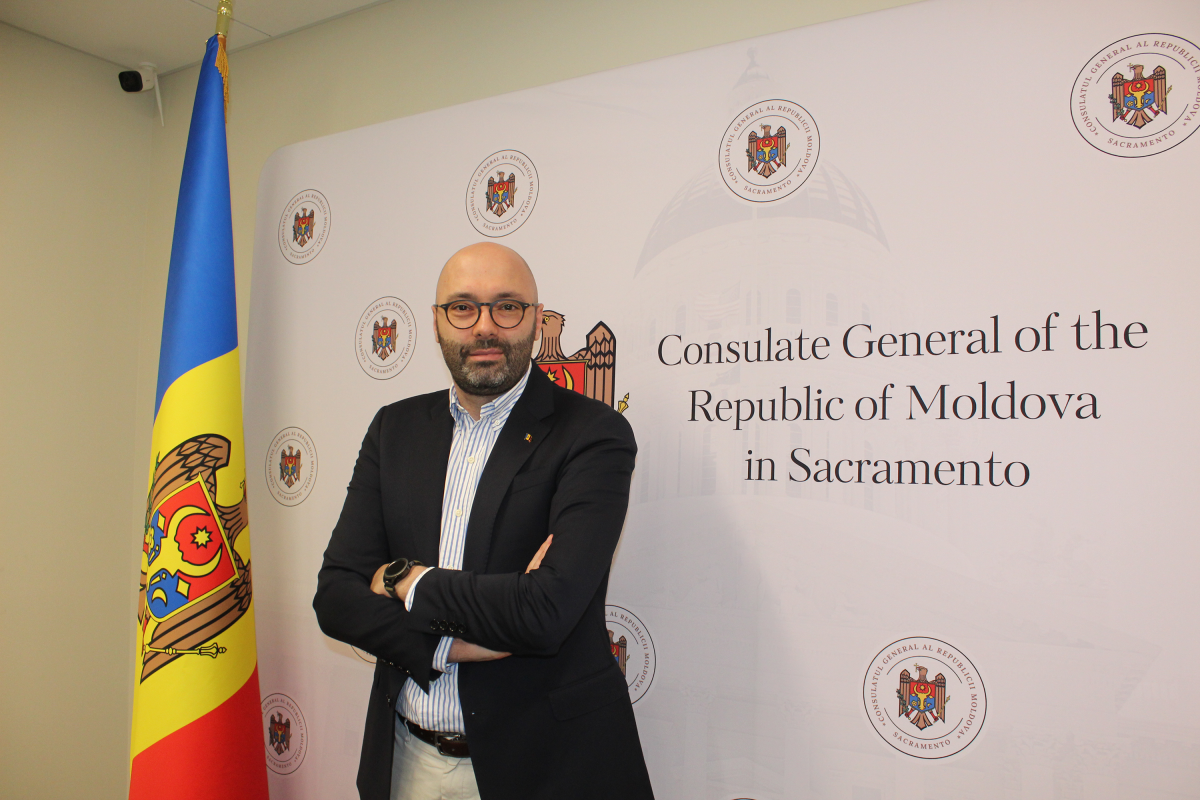
Maxim Arghir is the first Consul General for the Republic of
Moldova in Sacramento, which opened last year. (Photo by Eric
Schucht)
Arghir is the first consul
general in Sacramento for the Republic of Moldova, a country in
Eastern Europe that gained its independence in 1991 after the
collapse of the Soviet Union. It’s wedged between Ukraine and
Romania, the latter with which it shares a language. In terms of
land size, Moldova is slightly larger than Maryland and has a
population of around 2.5 million, roughly equal to the Sacramento
metropolitan area.
“Moldova, it’s a small country,
but with a big heart,” Arghir says. His government has wanted to
open a consulate on the West Coast for years and finally got
approval from the U.S. in late December 2024. “For me, it was a
big challenge,” he says. “We are very grateful to our American
friends for this opportunity to help our citizens.”
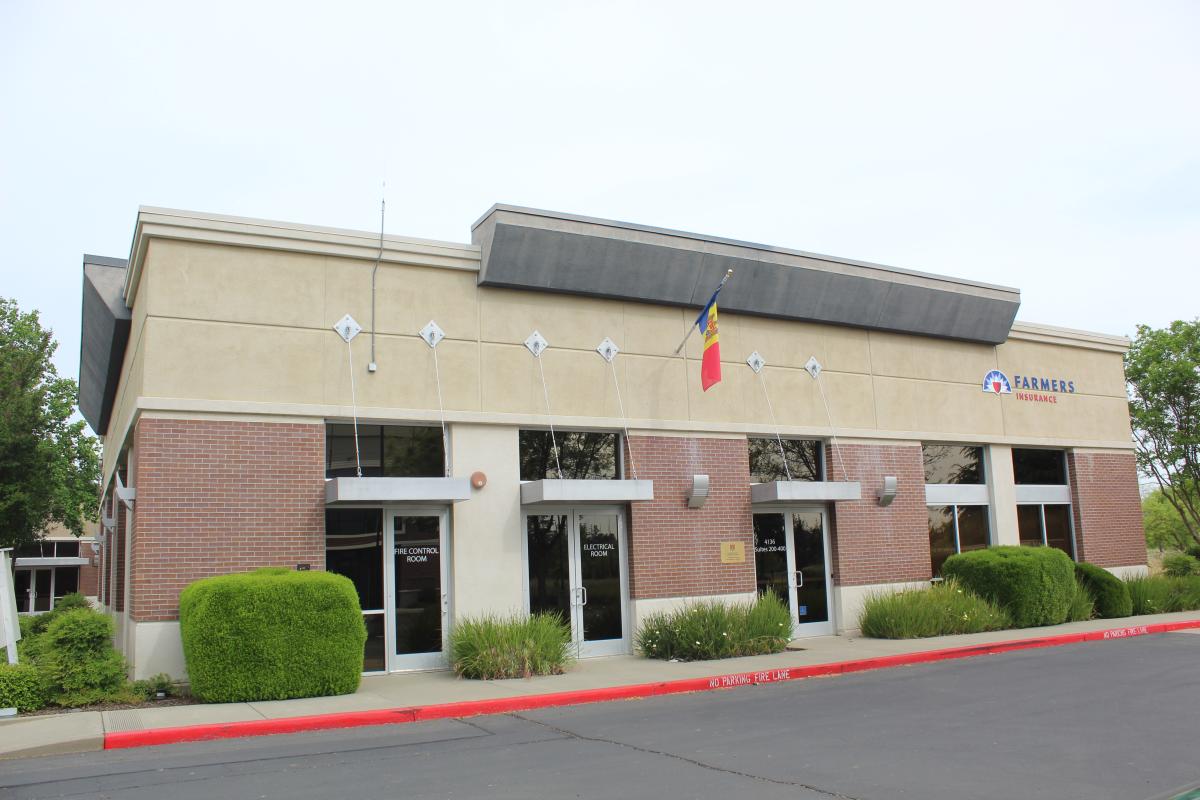
Moldova opened a consulate in Natomas last year. It shares an
entrance with a State Farm Insurance office. (Photo by Eric
Schucht)
Moldova is the second country to
open a consulate in Sacramento after Mexico, which opened its in
1942. A handful of volunteer honorary consuls also operate within
the region. Despite being the capital of the fourth-largest
economy in the world, Sacramento is not a hotspot for
international diplomacy. Instead, countries have historically
opted to host their California consulates (the regional office of
an embassy) in the Los Angeles and San Francisco areas, which
have 62 and 43, respectively.
Moldova dedicated the Sacramento
consulate, along with another new consulate in Chicago, in March
2025, and it became fully operational that June. It provides
services for people across 10 states. Before the new consulates
in Sacramento and Chicago, Moldovans across the country had to go
to the embassy in Washington, D.C., for certain services. They
can now travel much less for passports and I.D. cards. But why
open a consulate in the Capital Region?
Greater Sacramento happens to be
home to the largest Moldovan community in the U.S. Arghir says
about 5,000 Moldovan citizens live in the region, while the rest
of California has around 2,000. The city is also a centralized
point for Moldovans traveling from other sizable groups in
Seattle and Las Vegas. Arghir says Natomas was selected for its
proximity to the airport.
Arghir previously worked at a
consulate in Padua, a small city in northern Italy near Venice.
He agreed to run the Sacramento consulate after his appointment
because he enjoys the warm Californian weather and wanted to
experience different cultures and perspectives. He also had some
familiarity with the U.S. from his time working at his country’s
embassy in Washington, D.C. In his free time, he likes to visit
museums and explore the Bay Area with his wife and son.
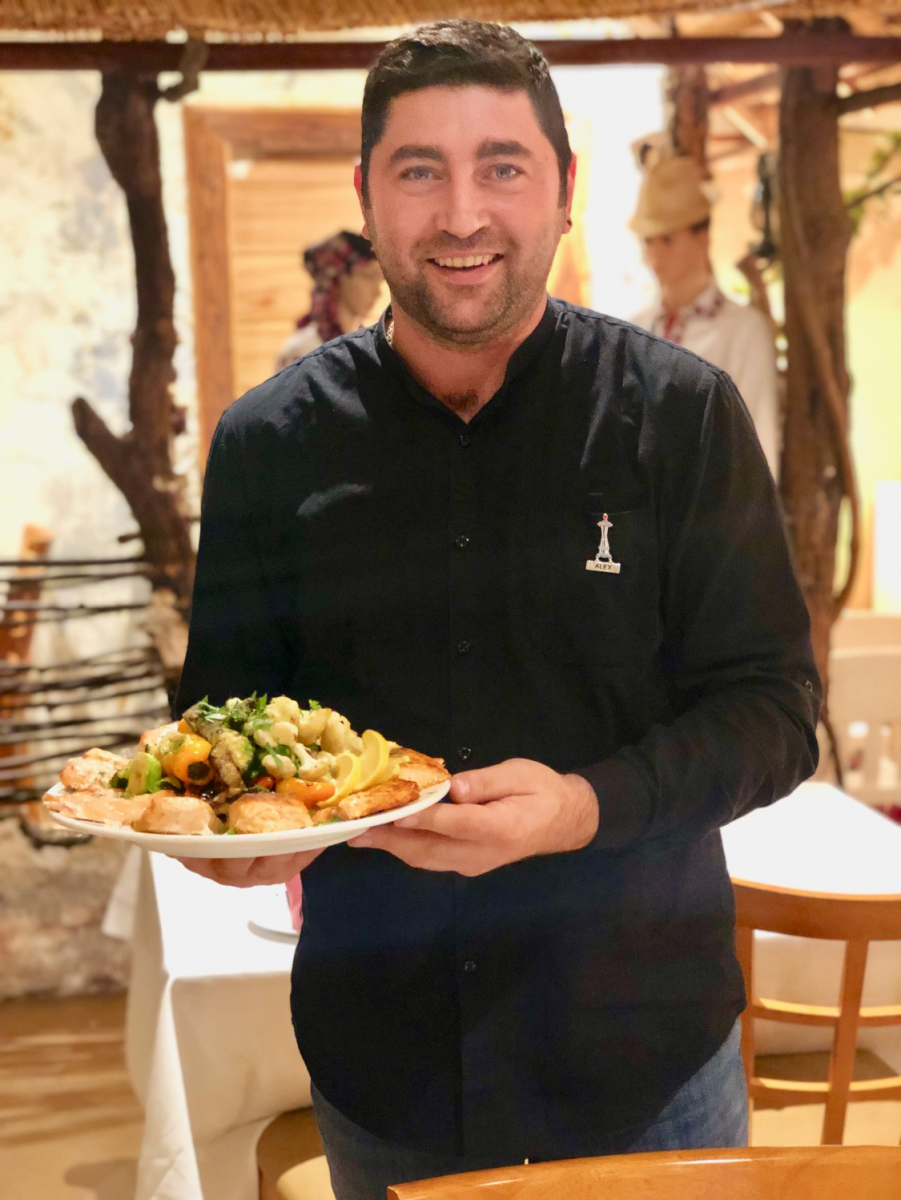
Noroc owner Alexandru Sirbu is active in the Sacramento region’s
Moldovan community. (Photo courtesy of Noroc)
It took a
lot of effort from Moldovans here and abroad to make the two new
consulates a reality, including local entrepreneur Alexandru
Sirbu. He says his community had wanted them for quite some time.
Sirbu has participated in the Moldovan-American Convention, an
annual event organized by and for the diaspora in the U.S. He
says a common conversation among attendees was the need for
regional consulates. “People, they were complaining,” Sirbu
says.
When the opportunity arose, he
lent a hand as a location scout in Sacramento, filming possible
rentals for consideration, and helped with the logistics of
shipping computers and other materials to the site. Sirbu says he
enjoyed seeing their efforts come to fruition after attending the
main grand opening ceremony at the Chicago-area consulate in the
suburb of Naperville.
“It was a lot of work,” Sirbu
says. “When you see it operational, it’s like, finally, you’re
happy that you made that. And you see people coming already and
trying to connect with their roots. That’s beautiful.”
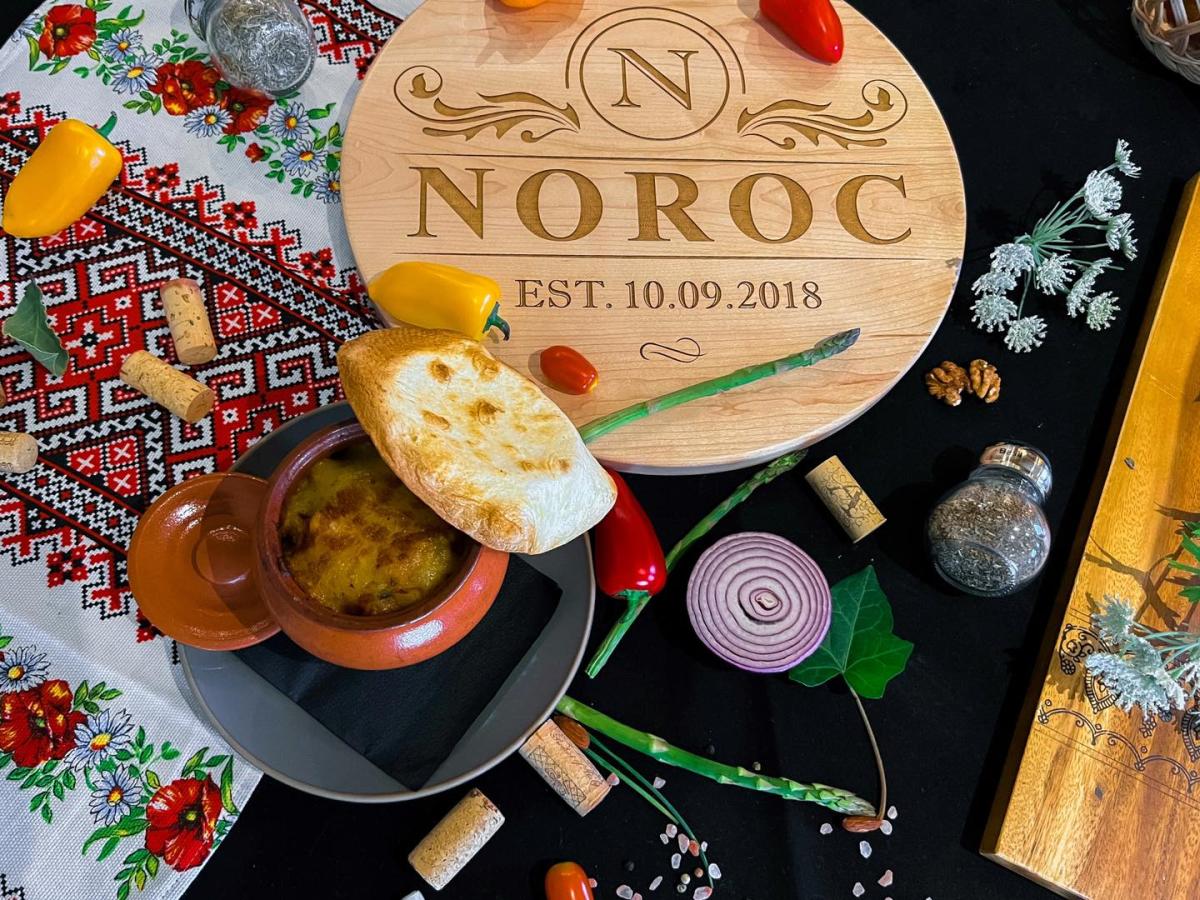
Noroc, previously called Firebird Russian Restaurant, serves a
variety of Eastern European dishes. (Photo courtesy of Noroc)
Sirbu is one of the thousands of
Moldovans who call the Sacramento area home. He immigrated to the
U.S. after his wife received a green card through the Diversity
Immigrant Visa Program. The lottery system selects up to 55,000
people each year from countries with low immigration
rates.
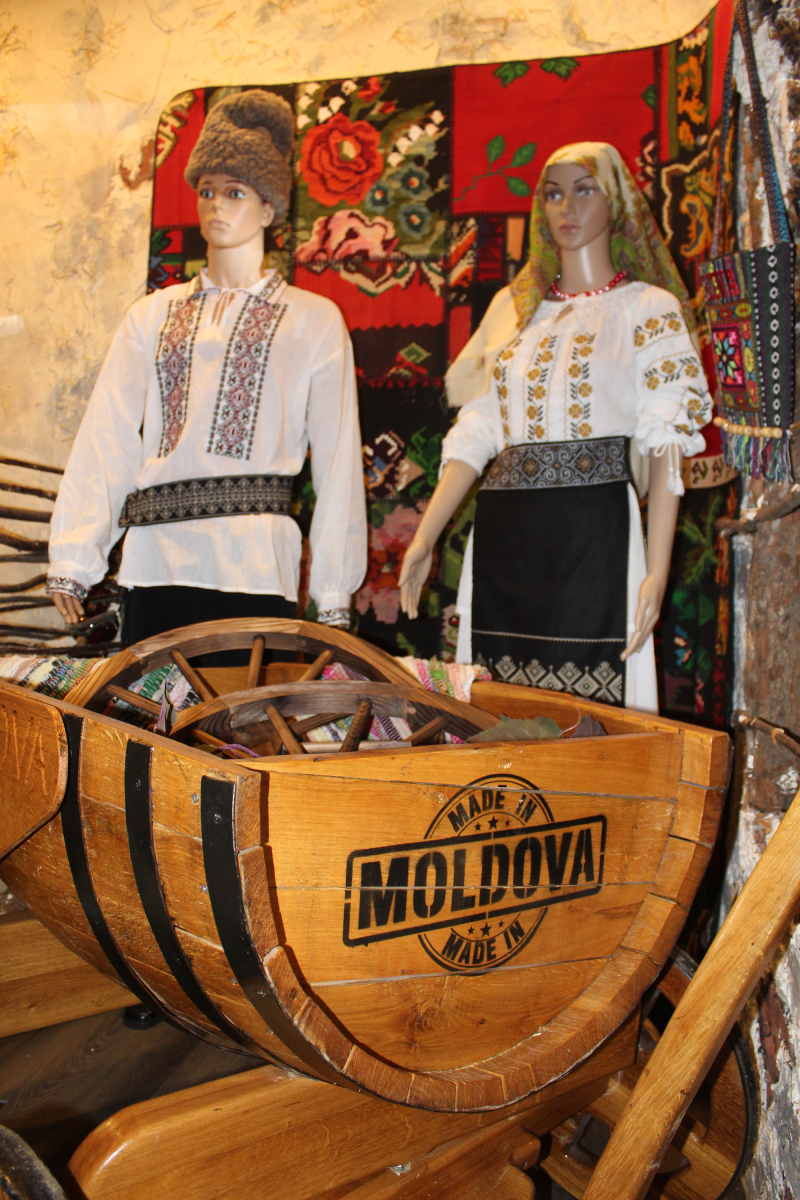
Two mannequins dressed in traditional Moldovan clothes are on
display at Noroc Restaurant in Carmichael. (Photo by Eric
Schucht)
Today, he
owns Noroc Restaurant, an Eastern European eatery in Carmichael.
It was previously called Firebird Russian Restaurant until Sirbu
decided to drop the word “Russian” after the Russian military
invaded Ukraine. The
name was soon changed
entirely due to an
alleged trademark infringement. The word Noroc means lucky in
Romanian. Along with the restaurant, Sirbu owns the event
management company Noroc Events and Radio Ai Noștri, a digital radio station.
Noroc is, without a doubt, the
most Moldovan restaurant in the region. Sirbu has built a shrine
of sorts to his home country. He has wooden bowls shaped like
Moldova and two mannequins wearing traditional Moldovan clothing.
The eatery carries Moldovan wine, which Sirbu calls “one of the
best wines” and Arghir declares “the best wine on this
planet.”
Before the consulate opened in
Sacramento, Noroc was the de facto Moldovan hub in the region. It
hosted events and was even used as a pop-up Moldovan polling
station, where, most recently, around 1,500 people stopped by to
cast their votes. While the polling station will now be held at
the consulate, Noroc remains a staple in the Moldovan community.
The restaurant has a large sign that’s hard to miss on display
inside the consulate, which has drawn some out-of-towners to
visit. Sirbu says a man from Los Angeles who traveled to
Sacramento for the consulate stopped by Noroc. After conversing,
Sirbu learned the visitor was a former classmate of his
brother.
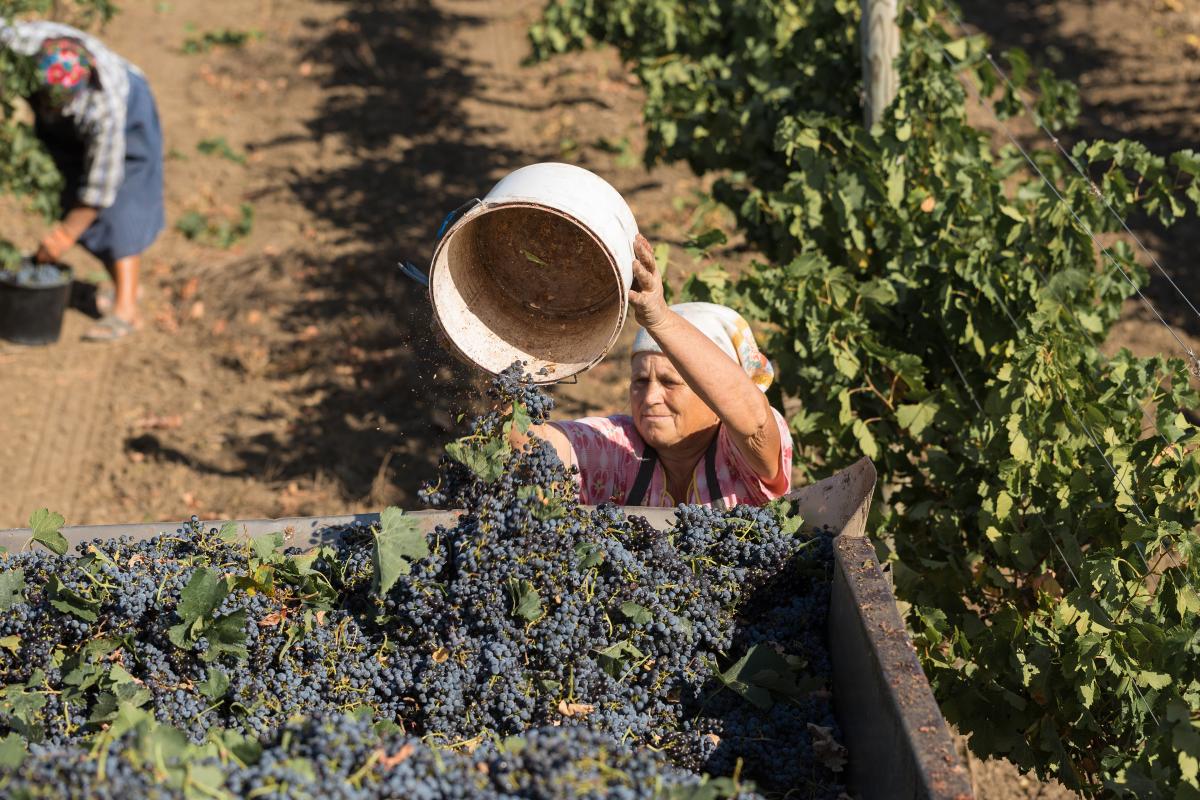
A woman works in a vineyard in Moldova. Like California, the
small European country is known for its wines. (Shutterstock
photo)
Since opening, Arghir says nearly
1,000 people have used or applied for services at the Sacramento
consulate. And he jokes that so far they’ve only received
five-star reviews on Google Maps. Even though Moldova offers
mail-in voting, Moldovans still show up at the consulate’s pop-up
election center because it’s an opportunity to socialize with
their fellow citizens and converse in their shared
language.
Despite seeming to have too much
space for one man, Arhir argues that he could use more room for
large gatherings because the consulate also hosts cultural
events. At a recent film screening, Arghir says the consulate
didn’t have enough chairs to seat everyone. In the near future,
he plans to organize more events for the local Moldovan
community, such as children’s activities.
“It’s more than a place where you
receive consulate services,” Arghir says. “It’s a place where you
connect with your country, and that’s a good thing.”
–
Never miss a story: Get Comstock’s weekly newsletter delivered to your
inbox.