
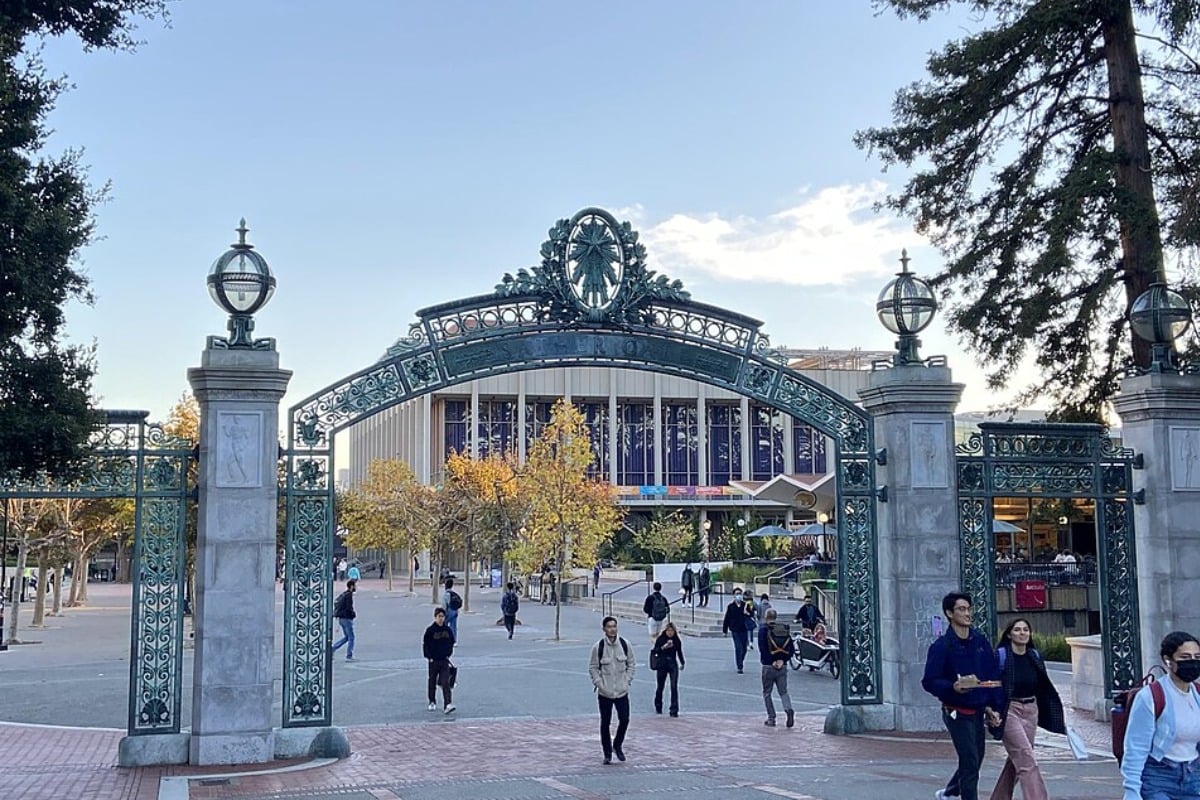
California has quietly poured hundreds of millions of dollars into a bargain meant to open doors at its three hottest University of California campuses for in‑state high school graduates. The idea was simple on paper: pay UC Berkeley, UCLA and UC San Diego to swap out some out‑of‑state undergrads for Californians. Now lawmakers are asking whether that expensive trade actually delivered the access voters thought they were getting, especially as the state wrestles with a tight budget and the swap turns into a budget fight in Sacramento.
The nonresident replacement plan has cost taxpayers about $276 million so far, and reporting shows the final tab to hit the program’s targets could climb to roughly $460 million, with continuing costs of about $153 million a year after that, according to CalMatters. Those totals are far higher than the roughly $31 million per year figure the governor and some lawmakers cited when they sold the compact to the public.
How the swap works
Under the deal, lawmakers told UC Berkeley, UCLA and UC San Diego to increase the number of California undergraduates they admit by roughly 900 students total each year. In exchange, the state would backfill the money campuses lose when they replace higher‑paying nonresidents with lower‑paying in‑state students.
In a January legislative report, the UC Office of the President estimated that replacing a cohort of about 902 nonresident undergraduates would cost roughly $32.9 million in 2026‑27, or about $36,477 per replacement student, and noted that the three campuses have nonresident shares near 19 percent. The official estimate includes both the lost supplemental tuition from out‑of‑state students and the extra financial aid that many California students receive, according to the UC Office of the President.
Legislative analyst offers a cheaper fix
The Legislative Analyst’s Office, which backed the compact in 2022, now says the state can grow resident enrollment without forcing campuses to cut out‑of‑state seats. In a new budget brief, the LAO recommends pausing the nonresident replacement plan and ordering UC to add more resident students while keeping the number of nonresidents flat. The office estimates that the approach would cost about $25 million a year, rather than the $61 million in the governor’s 2026‑27 proposal, according to the Legislative Analyst’s Office.
The LAO argues that Berkeley, UCLA and UC San Diego have recently added enough housing and classroom capacity to handle more in‑state students without immediately cutting into nonresident enrollment, a key reason the office says the cheaper option is workable.
More seats, but not at the top schools
Across the system, UC has added roughly 19,000 spots for new California undergraduates at its nine undergraduate campuses since 2022, and the share of applicants admitted systemwide has climbed from about 65 percent to roughly 77 percent. The headline sounds great for in‑state families.
But the story looks very different at the three most sought‑after campuses. Admissions there have not meaningfully eased, even as UC budget slides show nonresident undergraduate headcount dropping by about 3,500 over the same period. That mismatch is a big reason lawmakers and analysts are now questioning whether swapping out nonresidents was the right tool to expand access, according to materials presented to the Assembly Budget Subcommittee.
What UC says
In a statement to CalMatters, UC spokesperson Omar Rodriguez wrote that replacing a non‑resident student with a resident student is not an even exchange absent sufficient state buyout, and that every out‑of‑state student pays for the equivalent of 2.7 California students. In other words, from UC’s perspective, nonresidents are financial heavy lifters.
Student advocates see a different risk. They argue that cutting nonresidents can erode campus diversity and dampen local economic activity, concerns the UC Student Association flagged when the swap was first floated.
What comes next
Budget negotiators now have to decide whether to follow the LAO’s lower‑cost strategy or stick with the governor’s plan to keep funding the nonresident replacement program. The governor’s 2026‑27 budget proposal includes money to continue the swap, and the final deal they hammer out in late June will determine whether this becomes a permanent line in UC’s budget or whether the state pivots to a cheaper way to expand in‑state access, according to the Legislative Analyst’s Office.
For students and families, the on‑the‑ground reality is mixed. More Californians are getting UC offers overall, but the fight for a spot at Berkeley, UCLA and UC San Diego is still brutal. Taxpayers and campus planners, meanwhile, will be watching Sacramento’s next move to see whether state leaders can keep opening doors for in‑state students without draining campus budgets or narrowing the mix of students who actually show up in class.