
The verdict is believed to be California’s first in a Catholic clergy abuse case since a change in state law led to a flood of litigation in 2019. It is expected to have far-reaching consequences for the hundreds of cases against the Roman Catholic Diocese of Oakland that have been tied up in bankruptcy proceedings for years.
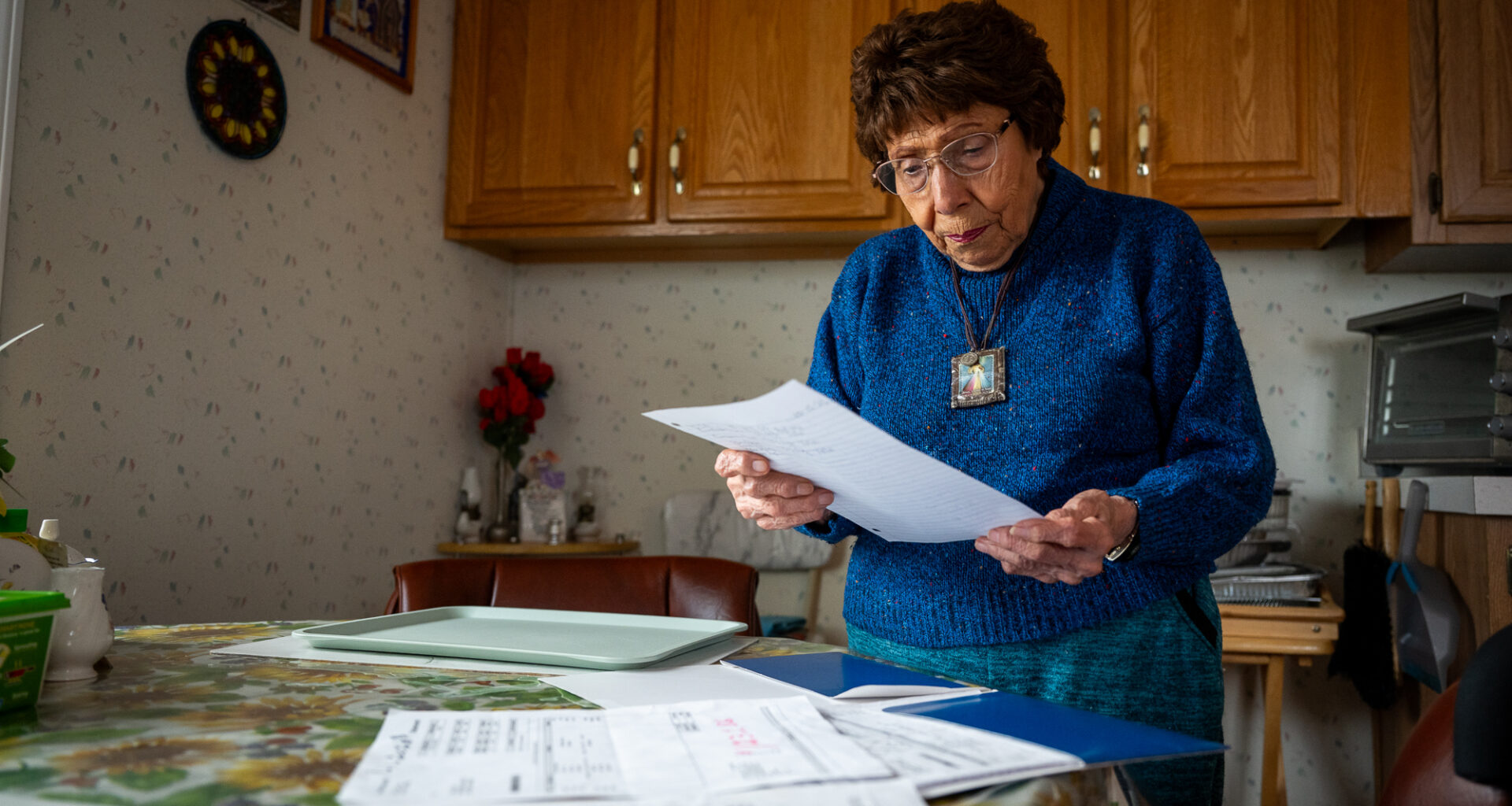
When Clara Faria read her rent statement, her heart stopped. Her monthly payment would more than triple, rising from $297 per month to $995. She had four days to make the payment or be charged a $50 late fee.
“I thought ‘I don’t have the money,’” Faria said of the statement, issued on Dec. 31, 2024, and due by Jan. 5, 2025. “I figured by the end of the year, I’m going to be homeless.”
Faria, 91, lives alone on a fixed income in a one-bedroom manufactured home at the Willow Mobile Home Park in the East Bay town of San Pablo. Old family photos, crucifixes and saints adorn her living room walls. An oversized photo of an American flag peaks out from the hallway, declaring, “The lord is my strength and my shield; my heart trusts him, and I am helped.”
Faria’s experience is part of a growing pattern across California, where mobile home residents — many of whom own their homes but rent the land beneath them — are increasingly vulnerable to steep and repeated rent hikes. Harmony Communities, which manages her park in San Pablo, has faced criticism from residents, advocates and local officials for aggressive rent increases and opaque ownership structures.