
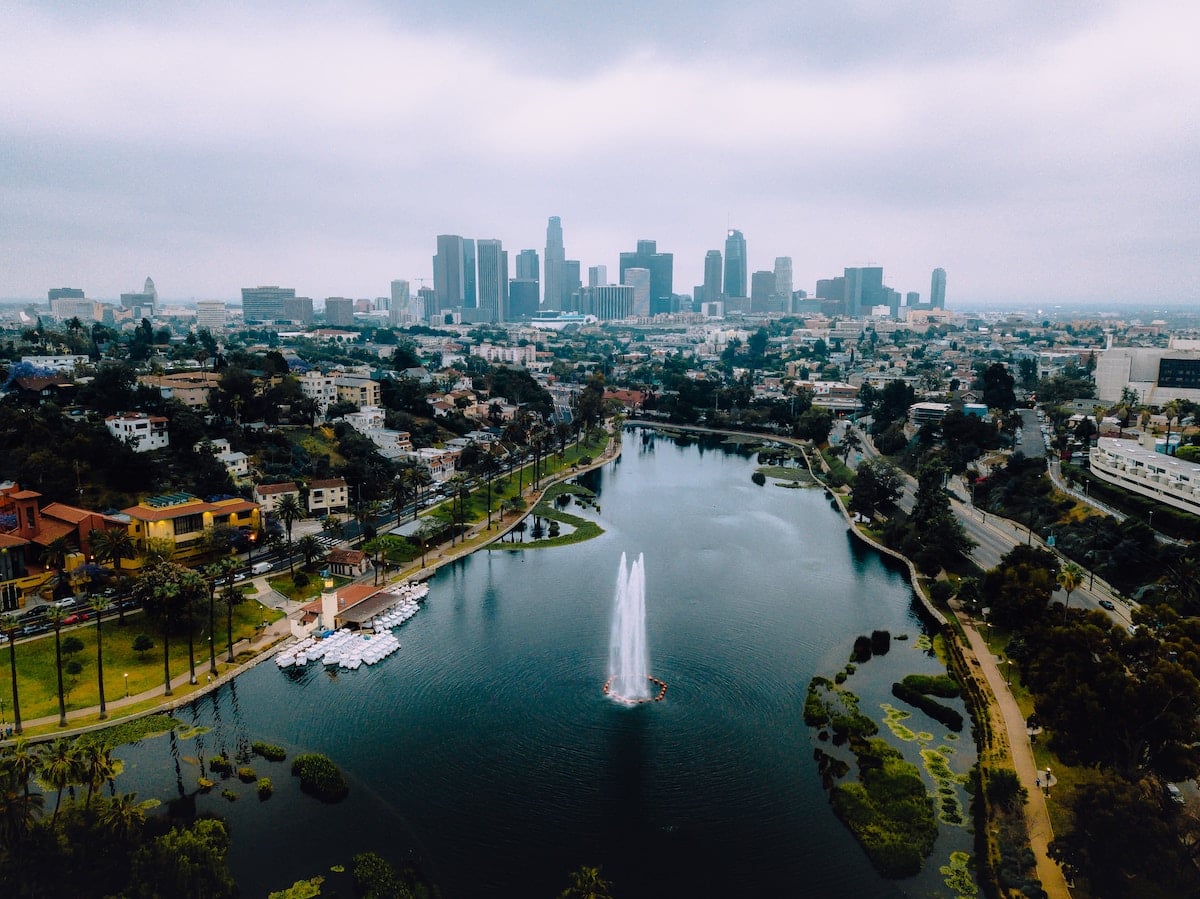
Photo Courtesy: Gerson Repreza via Unsplash

–
Staff Writer Intern
·
April 23, 2026
For decades, the battle for clean air has been a relevant narrative of American environmental policy. However, recent data shows that shifting climate patterns and regional geography are creating new challenges for national air quality standards.
California continues to face a significant public health challenge as the 2026 “State of the Air” report from the American Lung Association reveals that the Golden State remains the one of the nation’s leaders in air pollution. Multiple California cities dominate the “Most Polluted” lists, with Los Angeles-Long Beach and Bakersfield frequently appearing at the top.
The 2026 rankings: a closer look
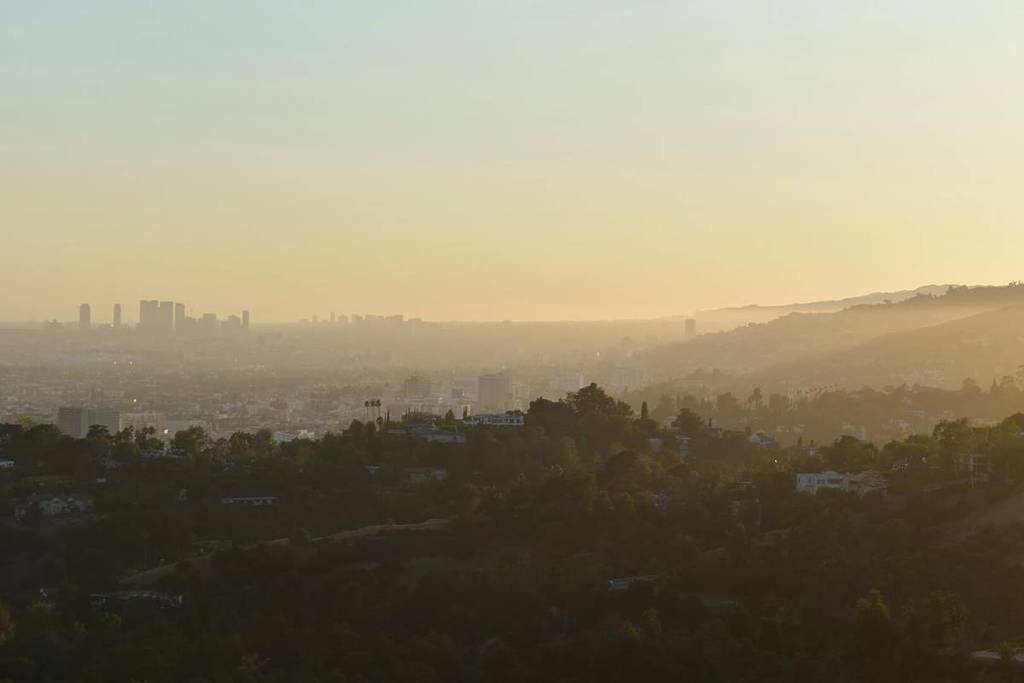 Photo by Lydia on Unsplash
The report evaluates metropolitan areas based on three key metrics: ozone pollution, short-term particle pollution (24-hour spikes), and annual particle pollution. For 2026, the statistics for the Los Angeles-Long Beach county are stark:
High Ozone Days: Ranked 1st worst out of 226 metropolitan areas. Los Angeles has held this dubious title in 26 of the 27 years of reporting in “State of the Air.”
24-Hour Particle Pollution: Ranked 7th worst out of 224 metropolitan areas.
Annual Particle Pollution: Ranked 7th worst out of 211 metropolitan areas.
California’s dominance on the “most polluted” list
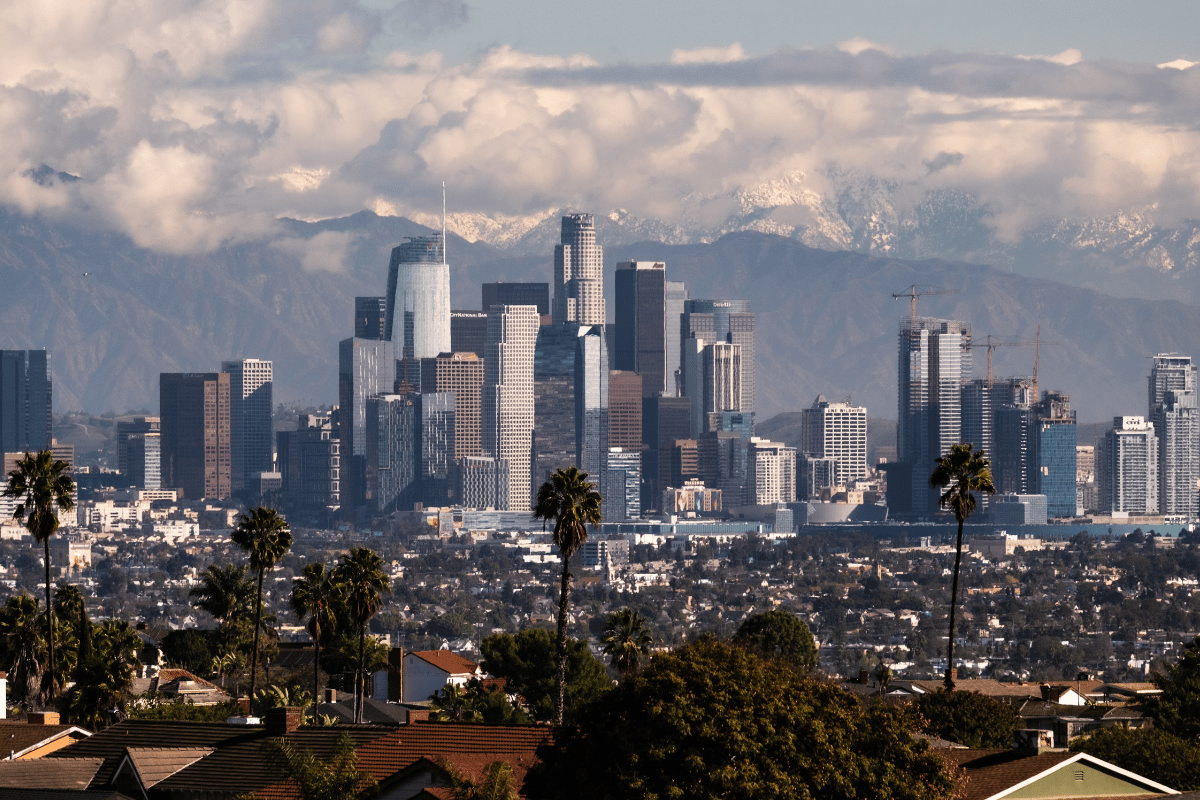 Jeffrey Clayton via Unsplash
While hundreds of millions of Americans live in counties with failing grades for air quality, Californians are disproportionately affected. The 2026 report highlights that:
8 of the 25 most-polluted cities by ozone in the U.S. are located in California.
Bakersfield remains the #1 most polluted city for year-round (annual) particle pollution.
However, there was a slight shift in the rankings for acute exposure. Bakersfield improved enough for short-term particle pollution to step down from the worst spot, which is now occupied by Fairbanks, Alaska
For residents living in these high-risk metropolitan areas, prioritizing respiratory health is essential. As we navigate the environmental challenges detailed in the 2026 report, staying informed about local daily conditions remains the most effective way for families to protect their health and breathe a little easier.