
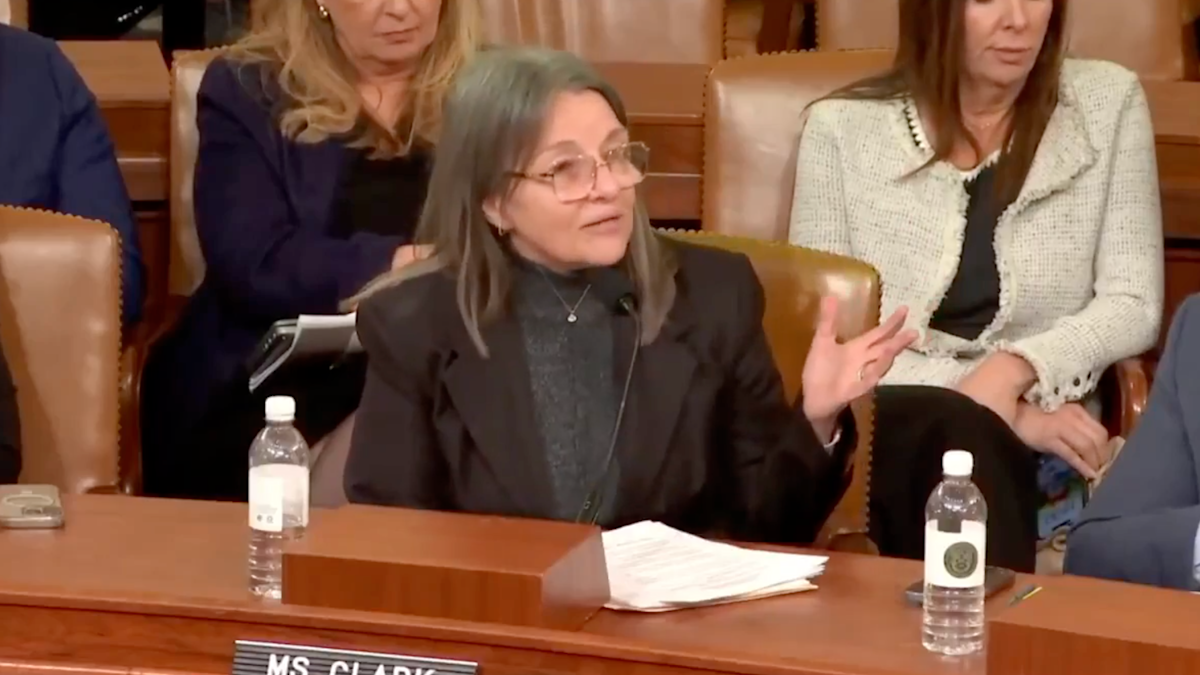
A startling case out of California is raising fresh concerns about fraud in the U.S. health care system and how easily it can disrupt patients’ access to care.
During a recent congressional hearing (1), Sheila Clark, president and CEO of the California Hospice and Palliative Care Association, described what she says is widespread abuse in the hospice industry. Her testimony highlighted cases of “phantom” providers, organizations that appear legitimate on paper but don’t actually operate in any meaningful way.
“You’d be amazed at how many hospices … You can walk up to the door in California, and there is nobody there,” Clark told lawmakers. “There are five months’ worth of mail stacked up, and nobody’s there. And that passed a survey. How did that happen?”
In one striking example, she questioned how a hospice could be registered at what appeared to be a burrito stand or even a tire store, locations that should never pass regulatory scrutiny.
Hospice care, which supports patients nearing the end of life, is funded in large part by Medicare. That makes it a lucrative target for fraudsters, particularly when oversight gaps exist.
Clark warned (2) that a surge in hospice providers across California has exposed weaknesses across multiple layers of regulation, from licensing and certification to accreditation. Some of these providers, she said, exist “in name only,” with no patients, staff or real operations.
The implications go beyond wasted taxpayer dollars. Fraudulent providers can interfere with legitimate patient care, delay services and erode trust in the health care system.
Lawmakers are now under pressure to investigate the scale of the problem, especially after reports of hundreds of millions of dollars in suspected fraud tied to hospice operations.
For Dr. Lynn Ianni, the issue isn’t abstract. It’s personal.
The California-based psychotherapist told lawmakers she was locked out of her own Medicare benefits for months after being mistakenly enrolled in hospice care without her knowledge.
“Imagine being told, in effect, that you are at the end of your life when you are not, and then being denied access to care because of that error,” she told Yahoo! News (2). “It was not just frustrating. It was terrifying.”
Because hospice enrollment typically signals that a patient is terminally ill, it can restrict access to certain treatments covered by Medicare. In Ianni’s case, that meant losing access to care she needed, all due to what appeared to be a fraudulent enrollment.
When she investigated, the hospice provider listed under her name seemed legitimate at first glance. It had a Medicare listing, a provider number and a named executive. But the details didn’t hold up.
The address led to a strip mall. The phone number went unanswered.
Federal and state authorities have begun taking action.
A recent task force targeting health care fraud reportedly suspended hundreds of hospice providers in the Los Angeles area alone, citing more than $600 million in suspected fraudulent activity (3). In a separate case (2), authorities charged more than a dozen individuals in a scheme that allegedly used patients who were not terminally ill to bill Medicare for tens of millions of dollars.
These efforts signal a broader crackdown, but experts say the problem may be deeply entrenched.
The rapid growth of hospice providers, combined with complex regulatory processes, has created opportunities for bad actors to exploit the system. Once a fraudulent provider is approved, it can take months or longer to identify and shut it down.
Cases like Ianni’s highlight a lesser-known risk: administrative errors or fraudulent enrollments can have real financial and health consequences for individuals.
If you or a loved one relies on it, here are a few precautions:
Review your Medicare statements regularly: Look for unfamiliar providers or services you didn’t receive.
Verify providers independently: Use the official Medicare Provider Search tool (4) and confirm addresses, phone numbers and credentials.
Report suspicious activity: Contact Medicare (5) to report fraud.
Act quickly if issues arise: Enrollment errors can take time to resolve, so early action is critical.
While hospice care plays a vital role in supporting patients and families, the growing number of fraud allegations underscores the importance of vigilance — from regulators and the public alike.
As Clark’s testimony suggests, the question isn’t just how these fraudulent providers exist — but how they were allowed into the system in the first place.
Join 250,000+ readers and get Moneywise’s best stories and exclusive interviews first — clear insights curated and delivered weekly. Subscribe now.
We rely only on vetted sources and credible third-party reporting. For details, see our editorial ethics and guidelines.
Fox News (1); Yahoo! News (2); Hospice News (3); Medicare.gov (4); Medicare.gov (5)
This article originally appeared on Moneywise.com under the title: California hospice fraud exposed after woman falsely enrolled, locked out of Medicare for months
This article provides information only and should not be construed as advice. It is provided without warranty of any kind.