
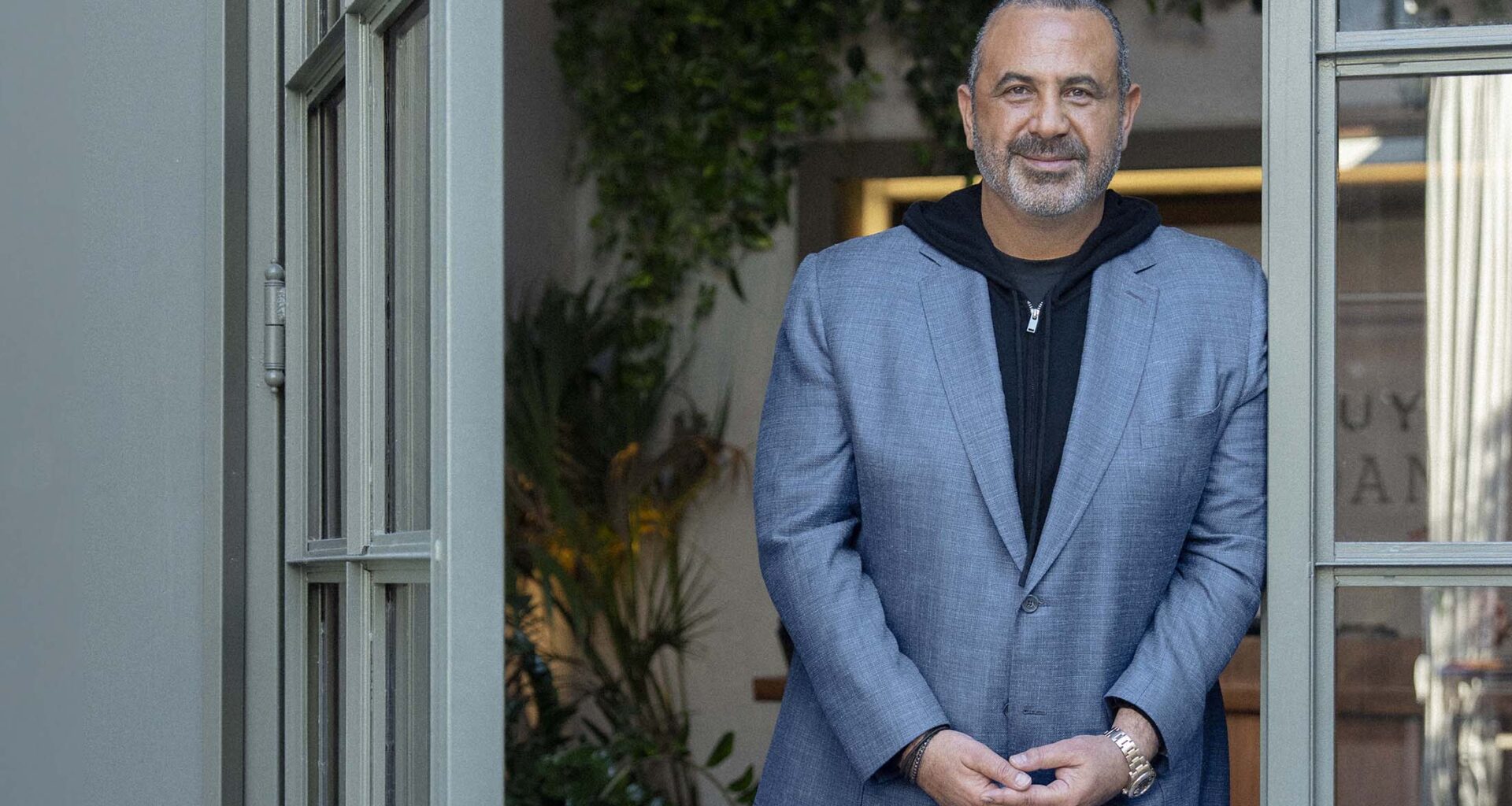
The Architect of What’s Next
Sam Nazarian built his first empire on velvet ropes, bottle service and an instinct for creating the buzz. Today, with a new focus on wellness, longevity and global scalability, he is creating something even more ambitious: a reimagining not just of his brand, but of hospitality itself. He is betting Los Angeles will give him another shot.
The building on La Cienega has cycled through names — La Cage Aux Folles, Prey, Greystone Manor, Nightingale and now Zouk — but one constant has been Nazarian. For years, he quietly rebuilt, rebranded and relaunched it before public opinion could settle. That instinct to refresh before stagnation set in defined his first act. Now, it audaciously defines his second act.
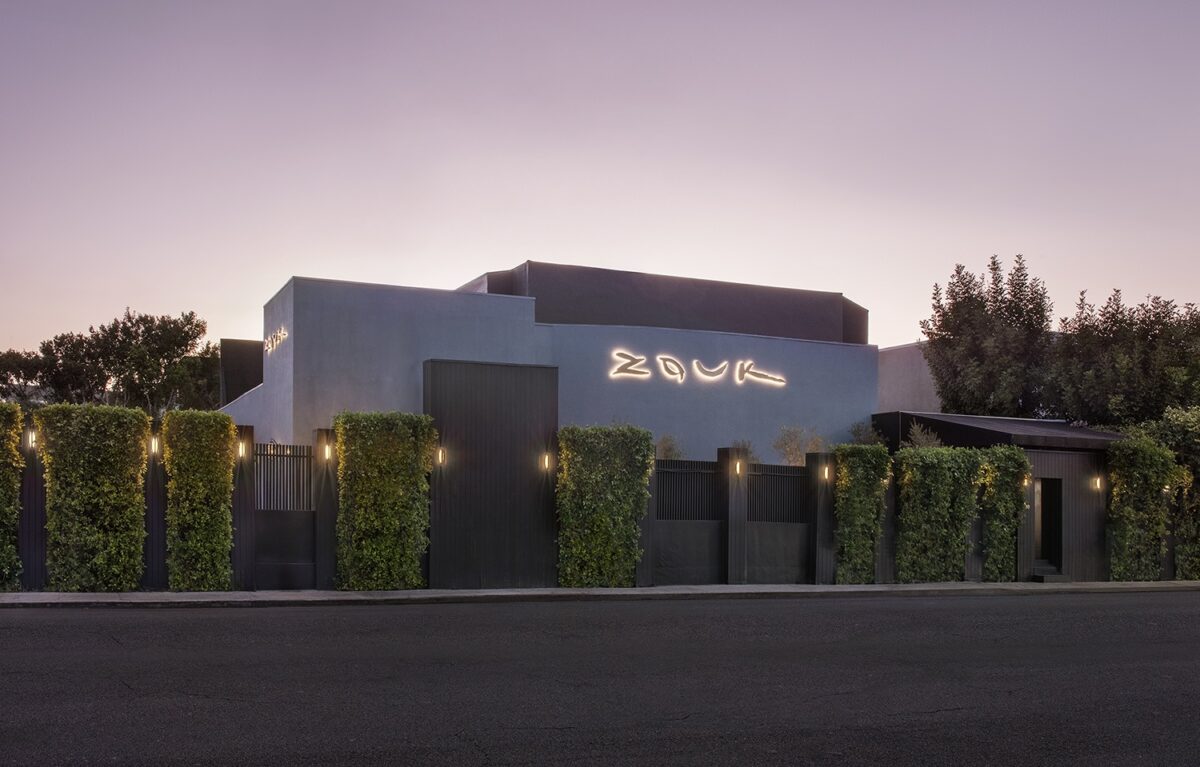 Zouk Los AngelesCredit: Courtesy SBE
The man discussing mitochondrial performance over lunch today is a different version of the nightlife impresario that Los Angeles once dubbed “Mr. Big.” Between bites of what he cheerfully calls “guacamole sticks,” he walks through a future built on longevity science and global scale. “I’m just trying to get as healthy as I can,” he says, with the ease of a man who has long since made peace with reinvention. He is still 6-foot-4 and incredibly charismatic, but his ambitions have shifted from curating rooms to building global systems.
Nazarian 2.0 is working on a sprawling portfolio. HQ Hotels and Residences, developed with Wyndham Hotels & Resorts, has multiple locations open or planned across the United States. The Estate, his wellness and longevity platform co-founded with Tony Robbins, Marc Anthony and strategist Richard Attias, is literally lifestyle redefined. There is also a food-and-beverage ecosystem called Everybody Eats and a Latin-focused luxury initiative targeting what he estimates as a $3.2 trillion underserved market. Add to that a hybrid hotel-and-condo project in Miami with Anthony and Sofia Vergara, and the scope becomes clear.
Whether this is a comeback, a reinvention or a replatforming is almost beside the point. In Los Angeles, ambition itself is currency.
The First Act
To Understand Nazarian’s second act, you have to understand the scale of his first.
His story begins in familiar Los Angeles fashion. His parents fled Tehran during the 1978 revolution, arriving in Los Angeles with four children and limited resources. Nazarian grew up sharing a hotel room on Wilshire Boulevard before his family rebuilt their fortunes. The bond between his family and the city runs deeper than geography or commerce.
Scroll to continue reading
“L.A. became the largest Iranian community in the diaspora outside of Iran,” he says. “L.A. gave us a lot as a family and embraced us and our community.”
That sense of mutual investment shaped everything that followed. The city’s Iranian diaspora influenced his upbringing and matured his early entrepreneurial instincts. He resold baseball cards, ran improvised gambling games and even ironed dollar bills to make them look new.
His father, Younes Nazarian, eventually struck it big through a telecom investment tied to Qualcomm, then shifted into a conservative real estate portfolio. Sam pursued a different path. After college, he built and sold a Nextel phone distribution business by age 23, turning $25,000 into $2 million.
That capital led him into hospitality. His first major project, transforming the Beverly Carlton Hotel into the Avalon, revealed his talent for creating culturally important spaces that resonated. With designer Kelly Wearstler, he crafted a midcentury aesthetic that connected with a new generation of travelers. His follow-up, the Viceroy Santa Monica, targeted creative professionals and helped define, if not invent, the boutique hotel category.
In 2002, he founded SBE, a company that would reshape nightlife and hospitality. Nazarian understood something others did not: Hotels, restaurants and nightclubs were not separate businesses. They were parts of a single ecosystem. Control the ecosystem and you control the experience.
He launched Katsuya with chef Katsuya Uechi, partnered with José Andrés on the Bazaar and built nightlife venues including Hyde and Shelter that functioned as cultural gatekeepers. He acquired iconic properties such as The Abbey and Gladstone’s and expanded his SLS hotel brand globally.
“We met when I was a first-term councilmember representing Hollywood,” former Los Angeles Mayor Eric Garcetti tells Los Angeles. “Sam had an idea what we could do with the most famous neighborhood in the world. Use nightlife to revitalize the day life. Real estate was cheap and Sam’s vision was pretty bold. He wanted to put the Hollywood back in Hollywood so you could see stars not only in the sidewalk but also in the clubs.”
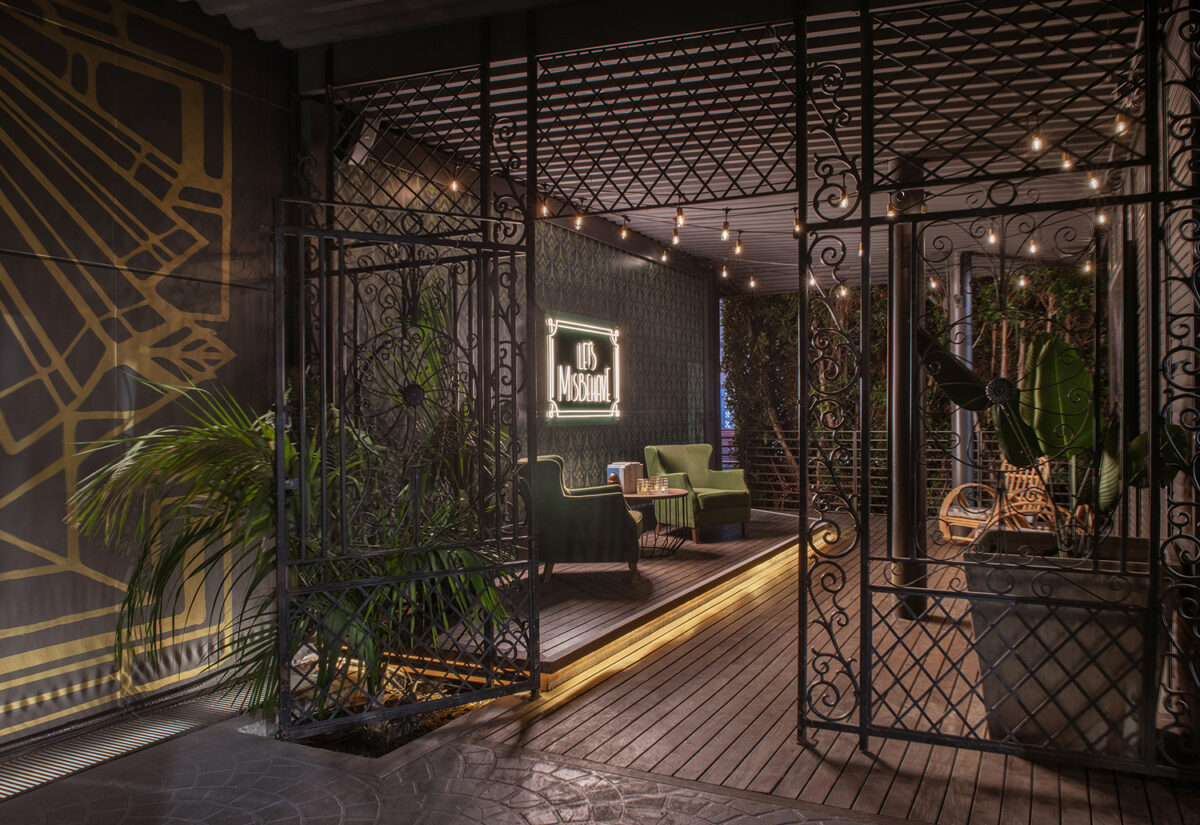 Hyde Sunset Credit: Courtesy SBE
Nazarian constantly reinvented his venues, redesigning them before they felt outdated. By SBE’s peak, he operated 41 hotels in nine countries and employed thousands.
His formula was simple but powerful: Create the sense that something important was always about to happen and ensure people wanted to be in the room when it did.
The Restructuring
For several years, Nazarian stepped back from public view. It was not a retreat. It was a restructuring. He sold portions of SBE, including a major stake to Accor, reportedly walking away with just shy of a billion.
Rather than stepping back, he reinvested. The next phase of his career would be larger, more systematic and less dependent on personality.
HQ Hotels: Building at Scale
“HQ is a collection of conversion and new-build hotels that represents the new heart of the city. It is a vibrant, inclusive place where locals and travelers come together for memorable dining, nightlife and wellness experiences. We have HQ destinations now open in the Caribbean and New Orleans, with the next on the way to Palm Springs.”
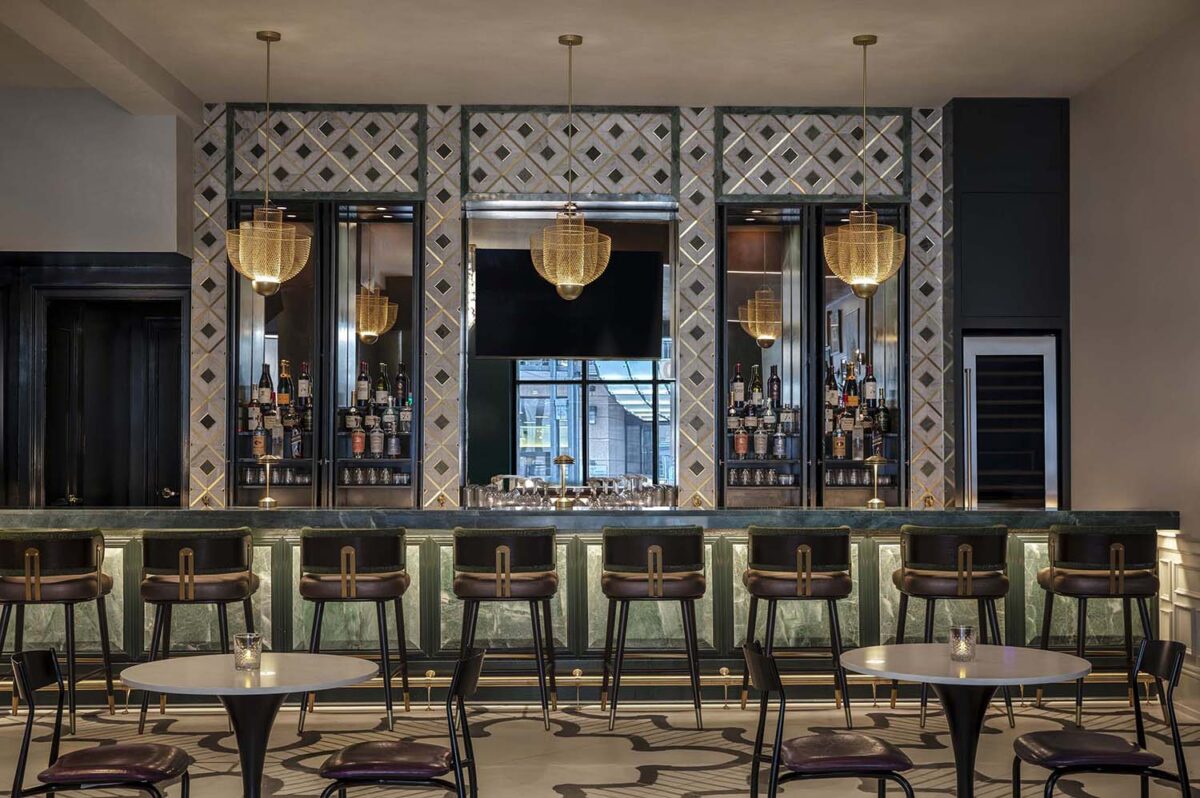 The Monarch’s S Bar in New OrleansCredit: Jacqueline Marque
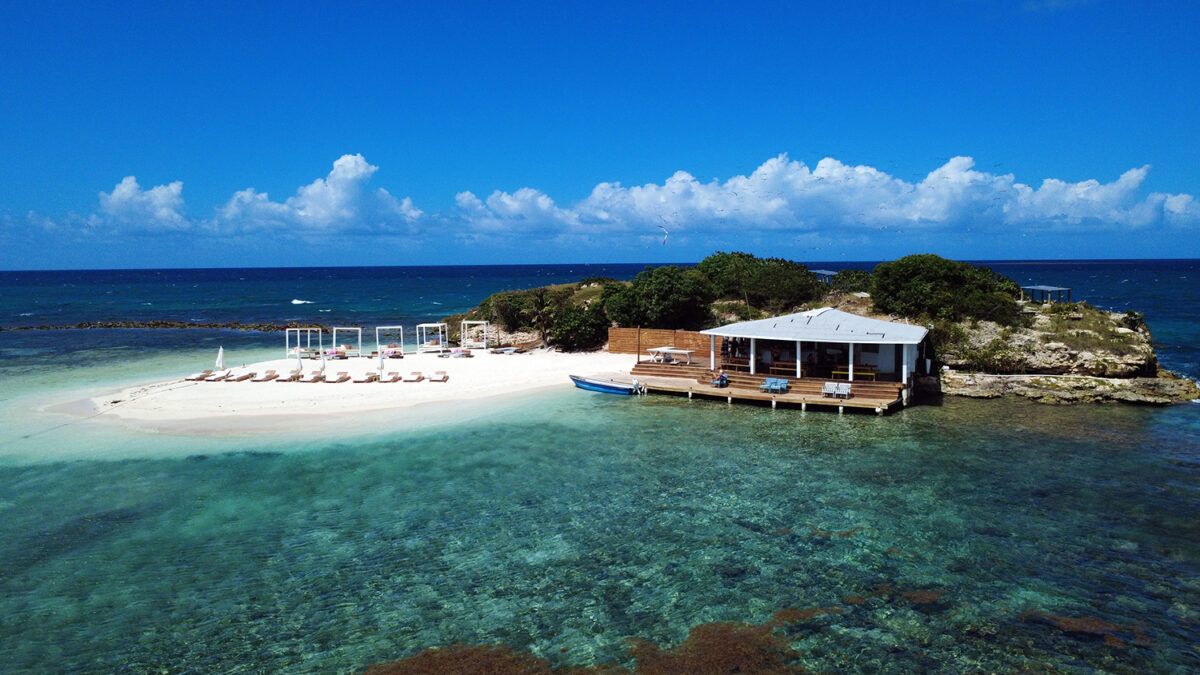 Hodges Bay Resort & SpaCredit: Courtesy SBE
That integration is the engine behind HQ Hotels and Residences. Developed with Wyndham, one of the largest hotel franchisors in the world, HQ aims to create scalable lifestyle properties that weave together dining, nightlife and technology-driven hospitality into a unified system. Nazarian describes it as moving beyond boutique hotels toward a replicable platform, one where the properties function as urban headquarters.
The Wyndham partnership signals a move from crafting singular spaces to building globally distributed infrastructure. It also introduces risk. Scaling lifestyle experiences often dilutes exclusivity. The question is whether Nazarian can maintain the energy and desirability that defined his early success while operating at global volume.
The Estate: Wellness Meets Luxury
If HQ is about scale, The Estate is about ambition.
The Estate aims to merge luxury hospitality with preventive healthcare and longevity science. A partner in the project promises what the program describes as “therapeutic plasma exchange” and a path to extended health through “mitochondrial performance” and “AI-driven preventive medicine.” The concept includes residential living, full-body health assessments and partnerships with institutions such as Fountain Life and Clinique La Prairie.
It blends biohacking culture with luxury hospitality. Nazarian is betting that younger generations focused on wellness and performance will embrace the hybrid model.
The first Los Angeles component is expected at Century Plaza, connecting his future ambitions to the city where his career began.
New Partners, New Gatekeepers
Another shift in Nazarian’s second act is his approach to partnerships.
His focus on the Latino luxury market reflects both demographic awareness and strategic positioning. Collaborations with Anthony and Vergara aim to tap into significant and largely underserved buying power.
At the same time, Nazarian is adapting to a new form of cultural gatekeeping. Velvet ropes once controlled access. Now algorithms do. He is incorporating influencers and digital creators into his strategy, recognizing that hospitality today is as much about content and community as physical space.
The emphasis has shifted from who enters a room to how a brand connects across platforms.
Back in Los Angeles
Despite broader trends of capital fleeing California, Nazarian is investing heavily in Los Angeles and Palm Springs. He acknowledges the challenges, among them the decline of Hollywood, but continues to develop new projects in the region, such as Casa Dani and Katsuya at Westfield Century City.
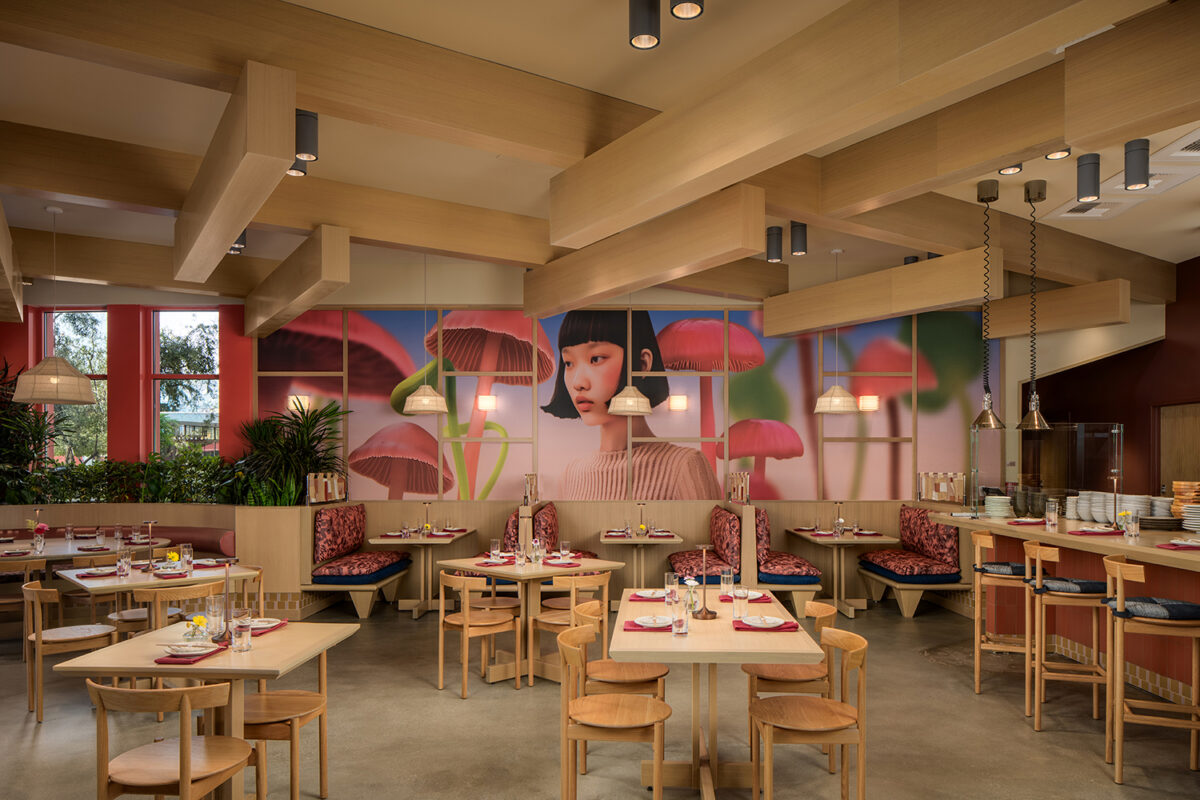 Katsuya’s fun, stylish interiorsCredit: Courtesy SBE
His family’s philanthropic footprint across the city, from university buildings to cultural institutions, reflects a connection that predates his success and outlasts his ambitions. The debt, he suggests, runs both ways. For Nazarian, Los Angeles is not just a market. It was the proving ground. Now, it is the next stage.
Today, he lives in Miami with his wife, Albanian model Emina Cunmulaj, and their three children, surrounded by art he began collecting in his 20s. He operates on East Coast time but returns frequently to Los Angeles, maintaining both personal and professional ties.
The System and the Spark
Industry insiders describe his current phase not as a comeback but as a strategic repositioning.
The distinction matters. Where he once operated venues directly, he now designs systems that generate and distribute experiences at scale. The old Nazarian created energy and monetized it. The new Nazarian wants to engineer the conditions that produce that energy and replicate them globally.
The central question remains the same as it was in his first act: Can the vision capture lightning in a bottle once again?
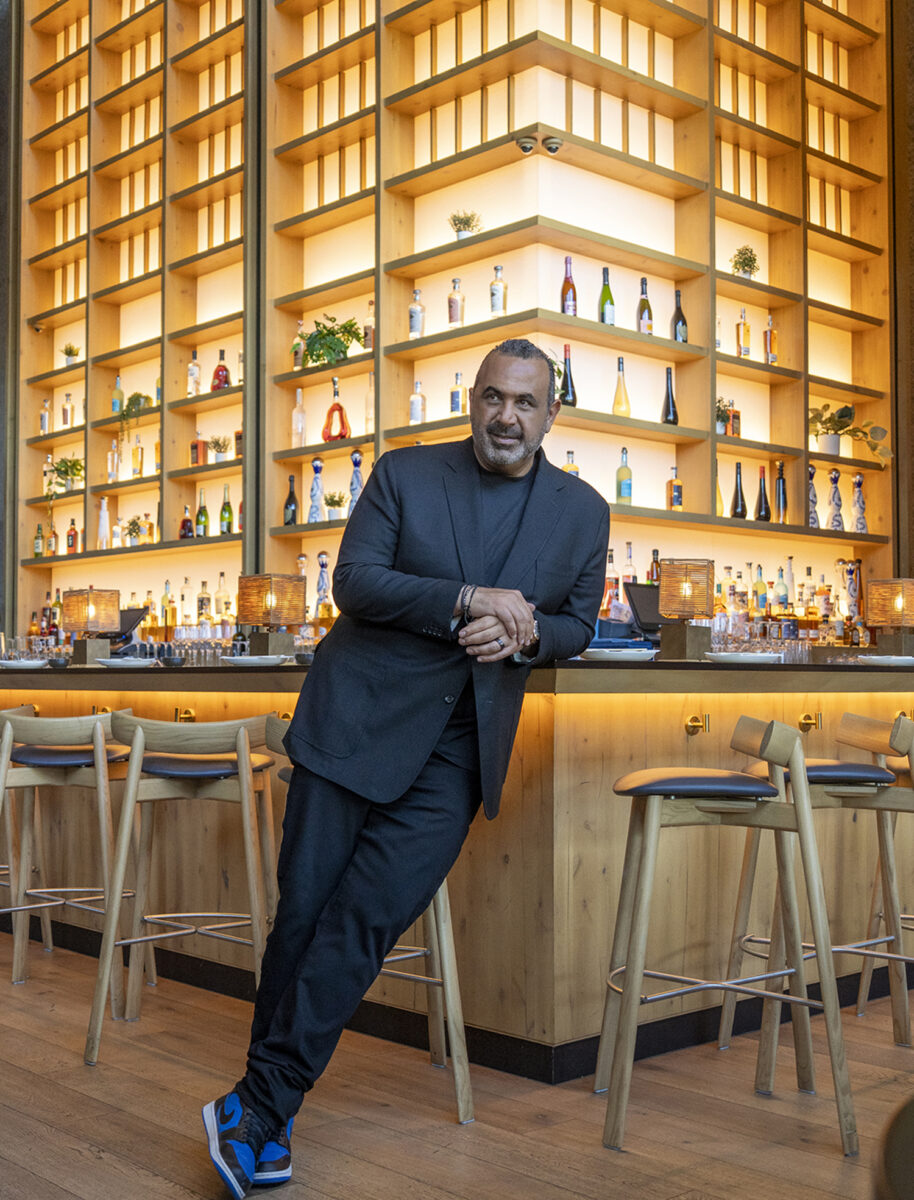 Sam Nazarian at the Katsuya Century City barCredit: Yves Bright
Los Angeles rewards reinvention but is a relentless, and at times, a fickle critic. Technology, scale and capital can build infrastructure, but they cannot guarantee atmosphere. That is something Nazarian appears to understand intentionally. The quality that made Nazarian 1.0 wildly successful was the sense that his venues were must-be places. Yet he seems to be doing the impossible. He curates and collects brands the way he collects art. He operates clubs in Los Angeles even as his focus expands globally. He keeps returning to the city that made him because it is where his core principles were forged — principles that still define the industry.
Nazarian seems to have mastered one core principle: It does not matter what you call the room. It matters what happens when people walk into it.
And whether his second act succeeds (and no one we spoke with is betting against it) comes down to a single, almost preternatural gift: his ability to translate a guiding principle into a system without losing what made it work in the first place.