
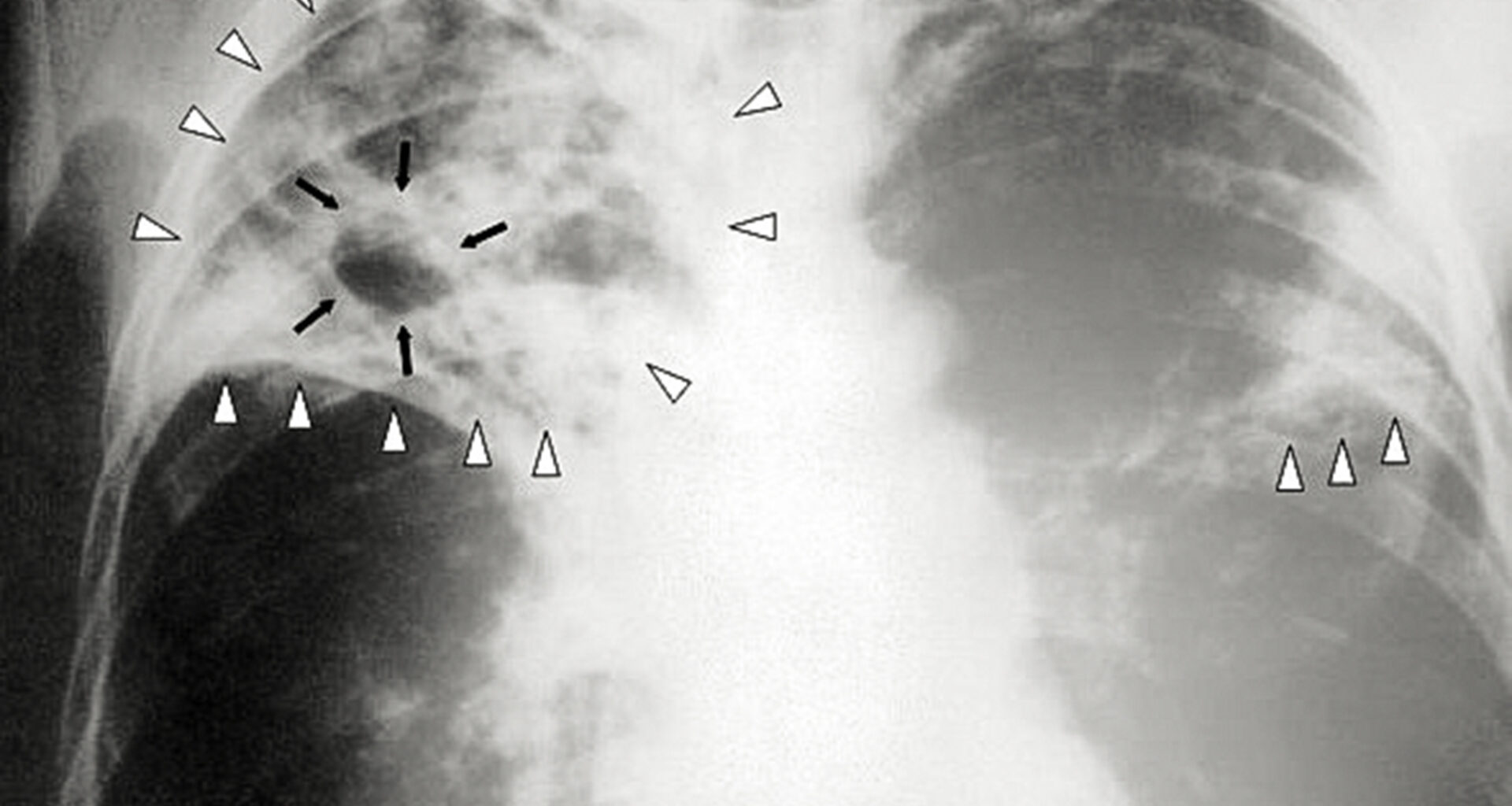
StatPearls Publishing LLC
California is seeing “substantially” higher rates of tuberculosis compared with the rest of the U.S. as large outbreaks of the disease rise nationwide, according to a new report.

The U.S. Centers for Disease Control and Prevention reported a small uptick in large outbreaks of TB in a study released April 30. The data, published in the CDC’s weekly Morbidity and Mortality Weekly Report, found there were 24 large outbreaks nationwide (10 or more active TB cases) between 2014 and 2016 and 50 between 2017 and 2023.
Article continues below this ad
Importantly, the CDC identified those at risk for large outbreaks. In the U.S. people diagnosed with TB are usually foreign-born, but the study’s authors found that 79% of people affected by large outbreaks between 2017 and 2023 were born domestically. Additionally, they were more likely to have substance abuse issues, and about two-thirds of these outbreaks were “associated with family or social networks.”
The report comes as California hit a 12-year high of 2,150 TB cases in 2025, and the state continues to report significantly more TB cases compared with the national average. While the national incidence of TB is three per 100,000, California’s rate was 5.4 per 100,000 last year.
Although the disease can be treated with antibiotics, it can be dangerous, especially for people with a compromised immune system. The California Department of Public Health reported that about 13% people with TB died in 2023.
Dr. Monica Gandhi, an infectious disease expert at UC San Francisco, said the CDC study shows how TB can still be a risk, even in a wealthy country like the U.S.
Article continues below this ad
“When we’re starting to consider TB in the hospital or in the clinic, we always ask about certain risk factors for the United States, and those are homelessness, using substances, history of incarceration, malnutrition,” she told SFGATE. “All of those are risk factors for TB.”
A view of Mycobacterium tuberculosis, the bacterium that causes tuberculosis.
Reuben Peters, Iowa State University
TB can be either latent or active, according to the CDC. Active TB can cause symptoms and be transmitted to others, while latent TB will not cause symptoms or spread to others. However, latent TB can turn into active TB at any time.
The disease can spread effectively in any group setting. A tuberculosis outbreak at the private Archbishop Riordan High School in San Francisco, which which saw its first positive test for active TB in November, resulted in at least three active TB cases and more than 200 latent cases.
Article continues below this ad
The “outbreak in San Francisco at the school really showed us how contagious tuberculosis is,” Gandhi said. “It’s such an age-old disease.”
Dr. Matt Willis, the former public health officer of Marin County, said “tuberculosis thrives” when people “on the margins” start to lose access to healthcare.
“Those are the people who, when they have latent disease, it’s not detected, it’s not treated, and they become active, and then they are infecting others,” he said.
Article continues below this ad
Willis, who also authors a newsletter on public health, explained that there are methods of controlling and treating the disease, but it’s still managed to survive for thousands of years.
“From mummies, they find evidence of tuberculosis,” he said. “Our immune system has co-evolved with this organism.”