
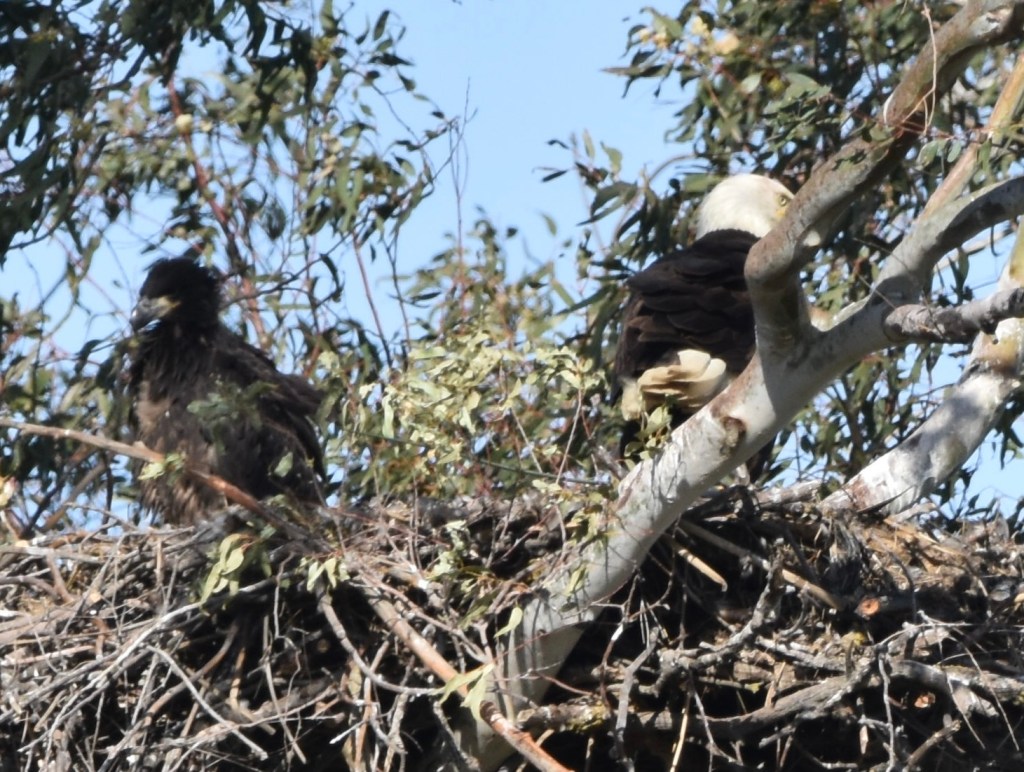
It was exciting to hear that a new pair of Bald Eagles had built their first nest and hatched two eaglets. So a friend and I finally made our way to the Sacramento National Wildlife Refuge to check out the nest on April 24. I was heart broken to learn that this last weekend, both eaglets fell from the nest and died.
The eaglets were about 6 weeks old and still feathering out when I saw them. As you can see in the title photo that one eaglet still had a fuzzy chest with the feathers still to come in. The other eaglet was behind the parent who was feeding it.
The nest is located in a large eucalyptus tree next to the auto tour route. You can’t see it there because it is on the backside of the tree. It becomes visible as you turn the corner and look back at the trees. The following photo shows the babies on alert waiting for Mom or Dad to feed them.
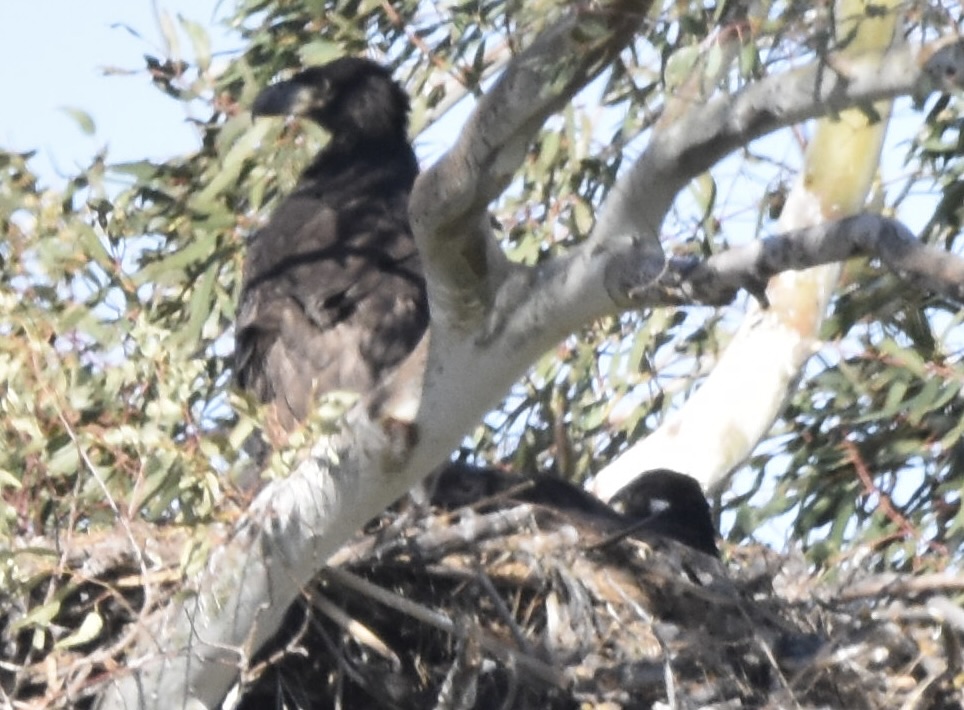
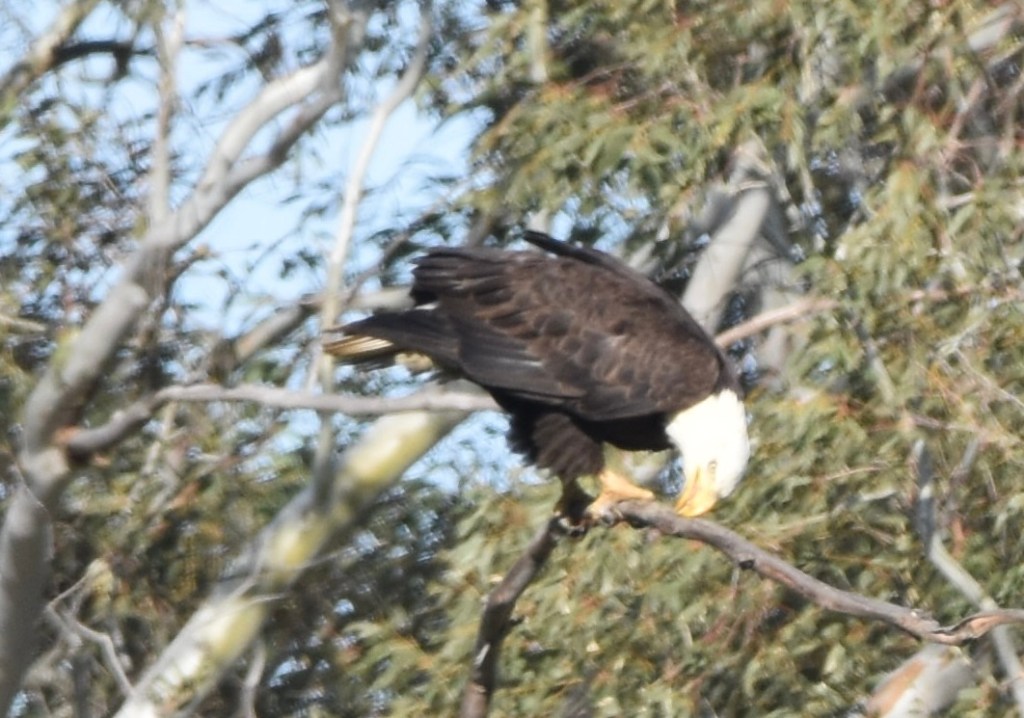
After feeding the babies, Mom flew to a nearby tree and ate her own dinner.
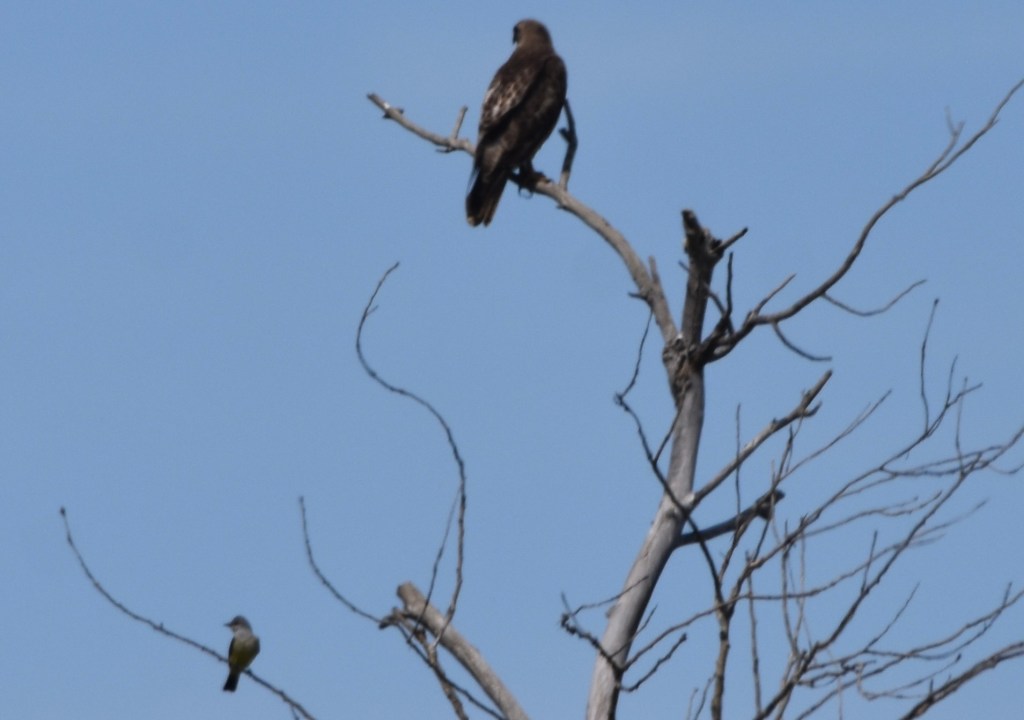
The active nest topped a great day at the NWR where we also saw a juvenile Bald Eagle sitting on a snag. He was at a great distance and few off before we could get any closer.
They had opened an additional loop taking us past ponds we had never seen. In all, we identified 40 species of birds. To our surprise we found Snow Geese, White-Fronted Geese and White Pelicans in residence. We thought these birds had all migrated north weeks ago.
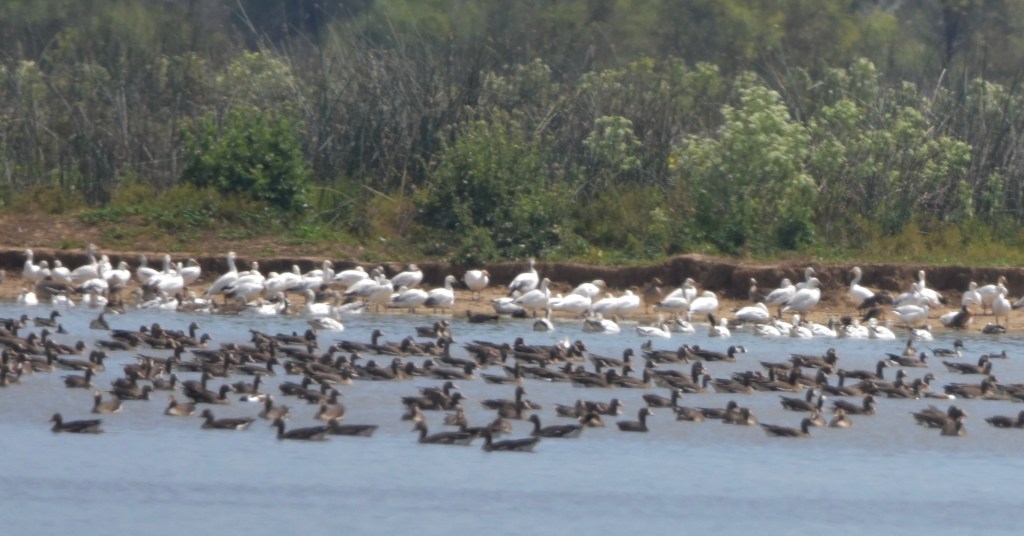
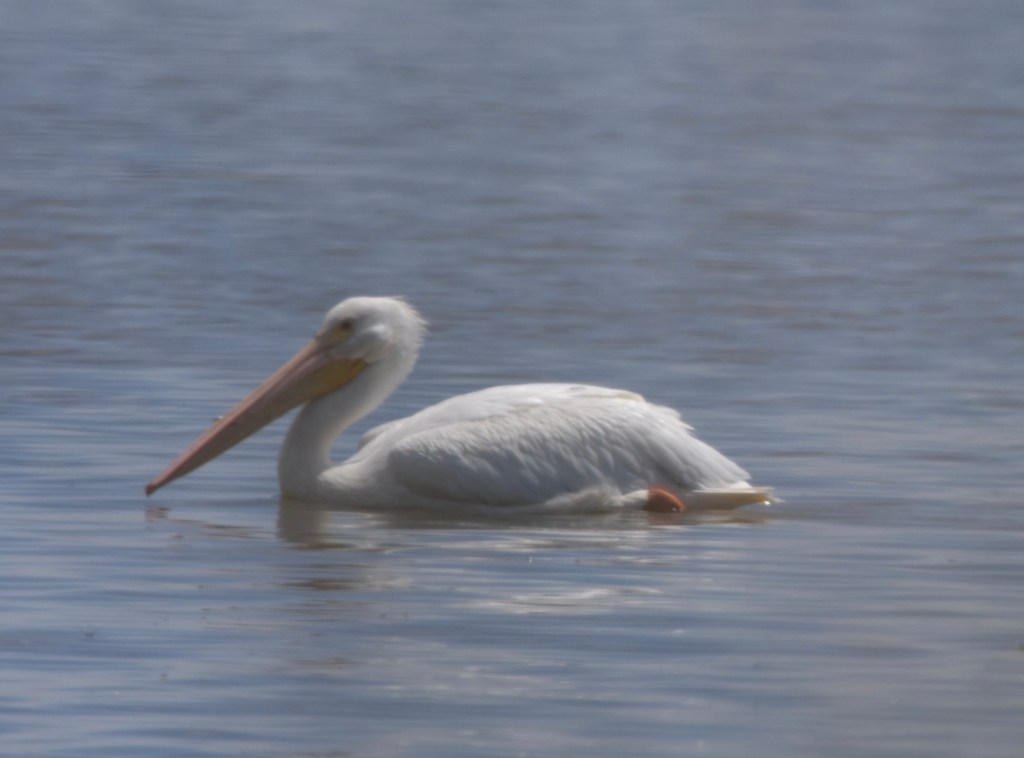
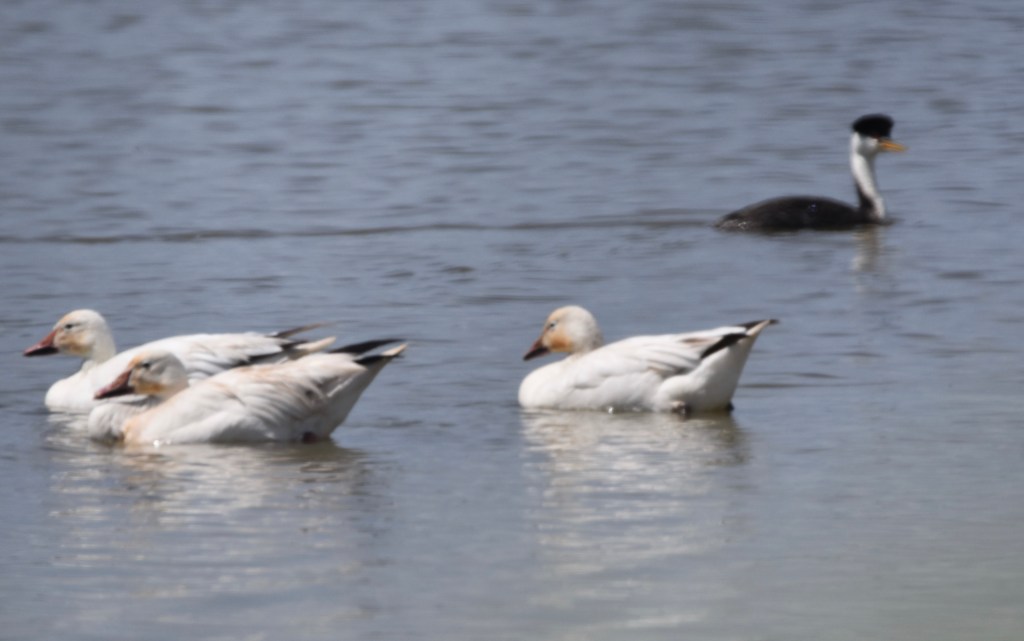
We did see several snow geese swim closer to us and as I took the photo a Western Grebe popped up from the water.
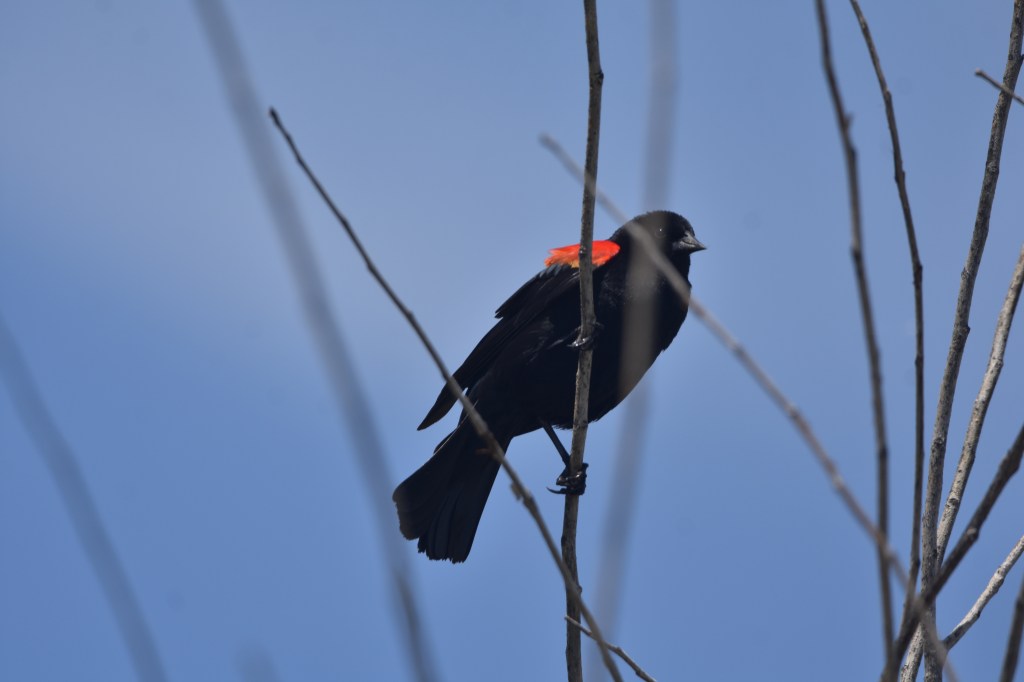
There were hundreds of Red-Winged Blackbirds, the males could be seen perching on the bushes singing their hearts out.
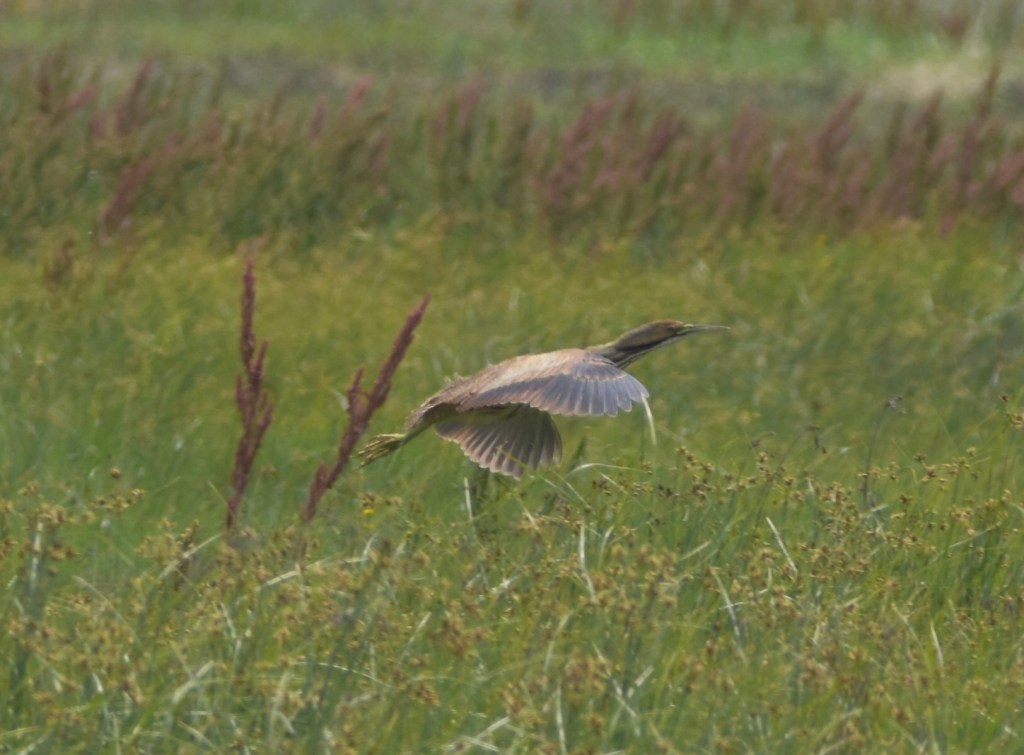
A truck drove past us and spooked an American Bittern that I caught in flight. Usually I see these birds standing absolutely still trying to blend into the landscape.
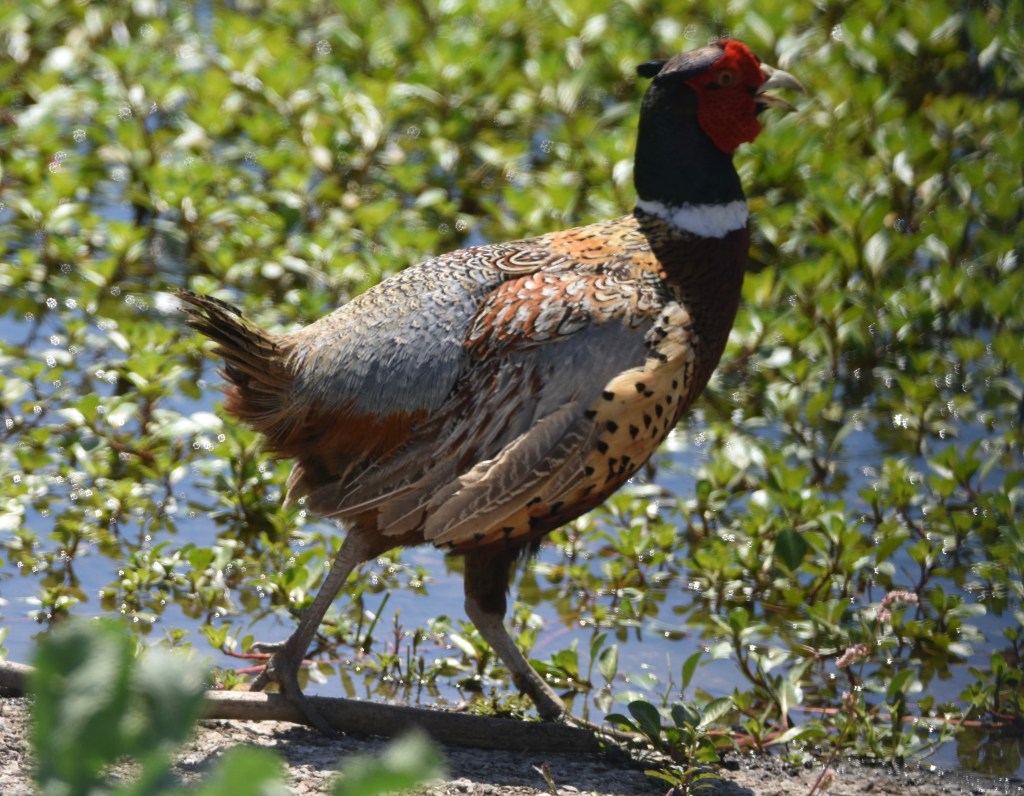
My friend spotted several Ring-Necked Pheasants but I only saw a hen pop out of the brush.
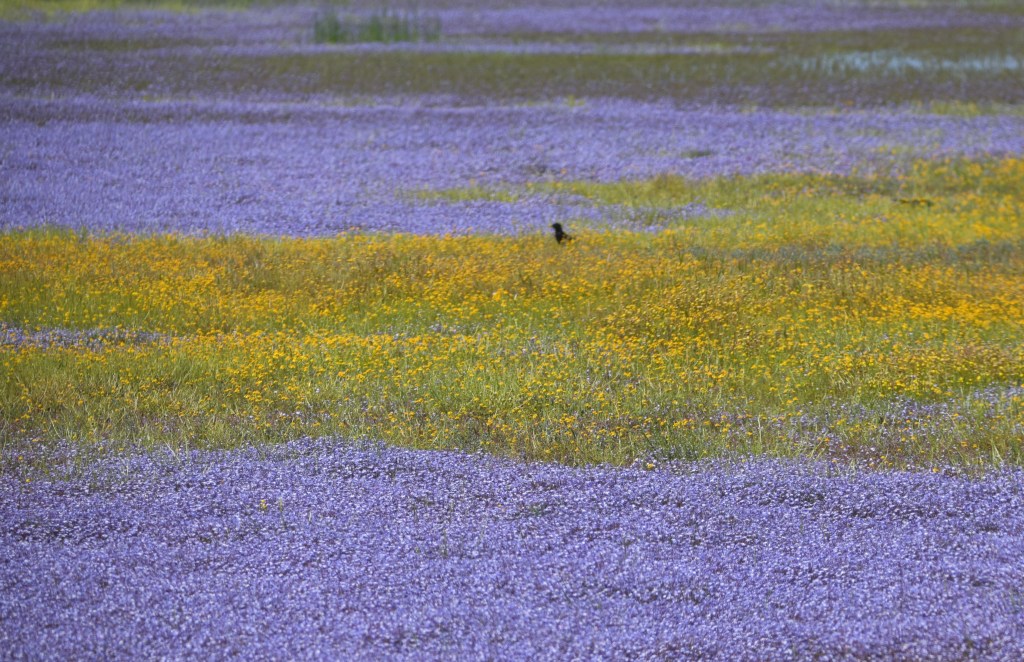
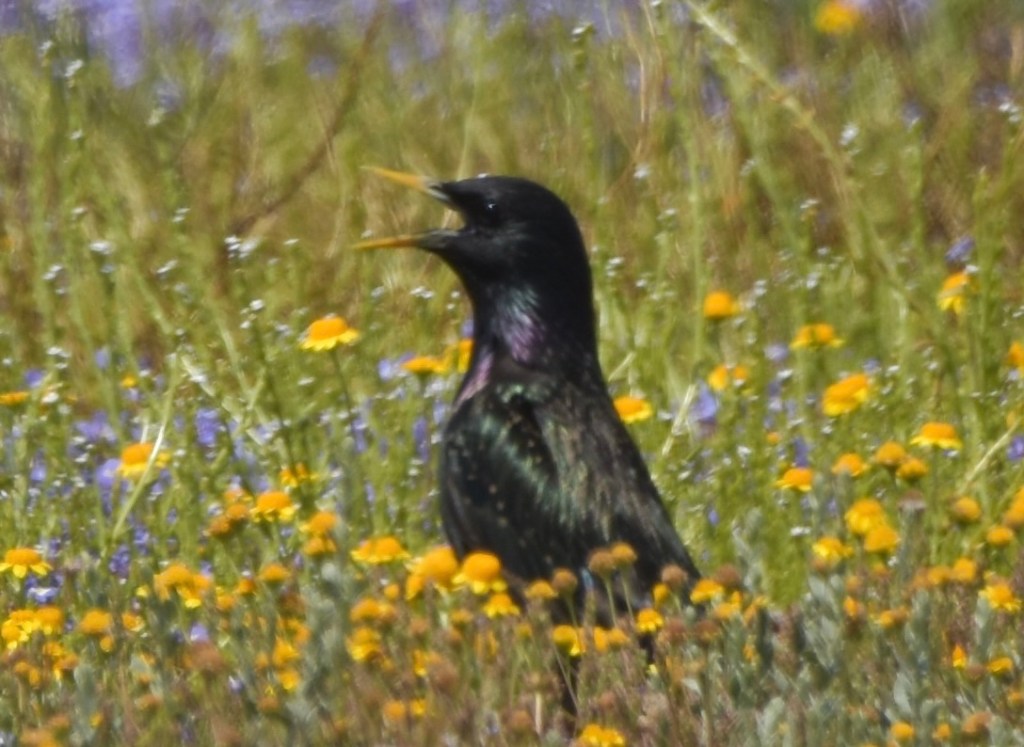
As the ponds slowly dry for the summer, they fill with beautiful wildflowers. The birds forage for insects among the flowers. The small bird in the center of the photo is an European Starling.
A small flock of American Pipits also enjoyed wildflowers as they foraged along the edge of the remaining open pond waters.
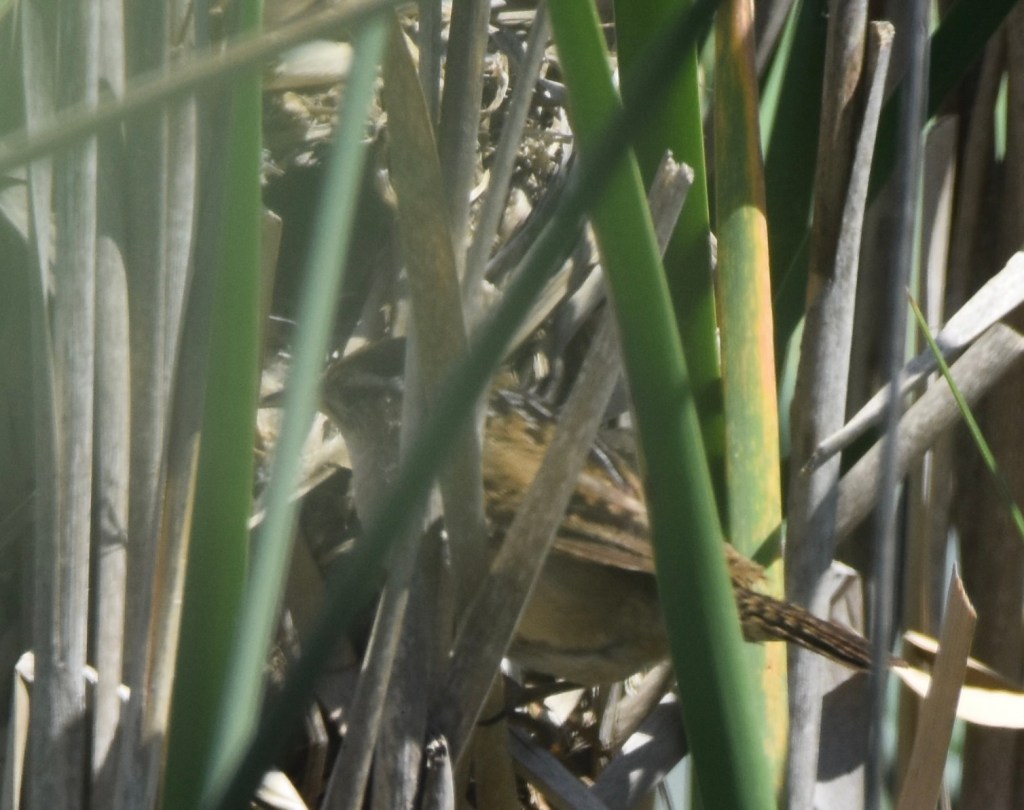
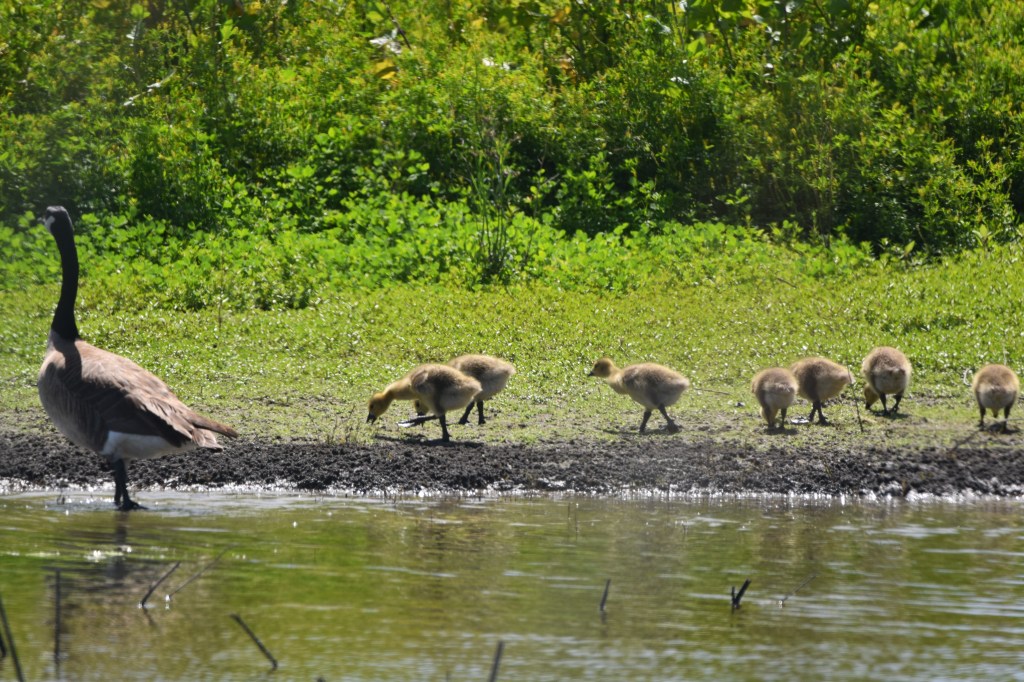
Reproduction was not just limited to the eagles. I saw at least 50 marsh wren nests among the tules reeds including a Marsh Wren in front of their nest and Canada Geese with goslings.
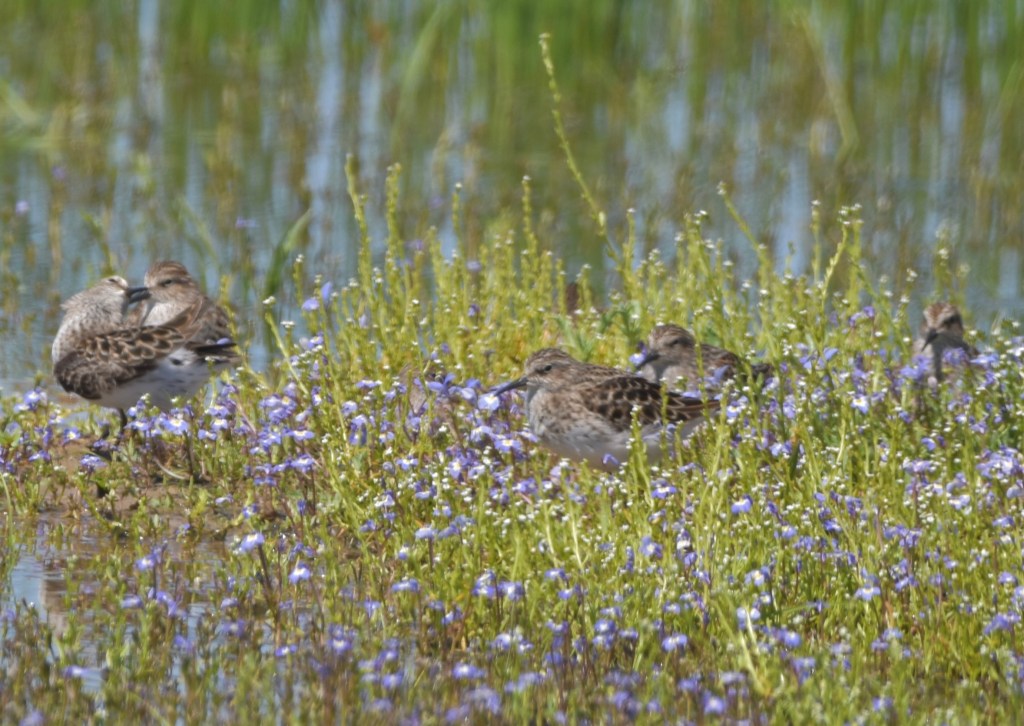
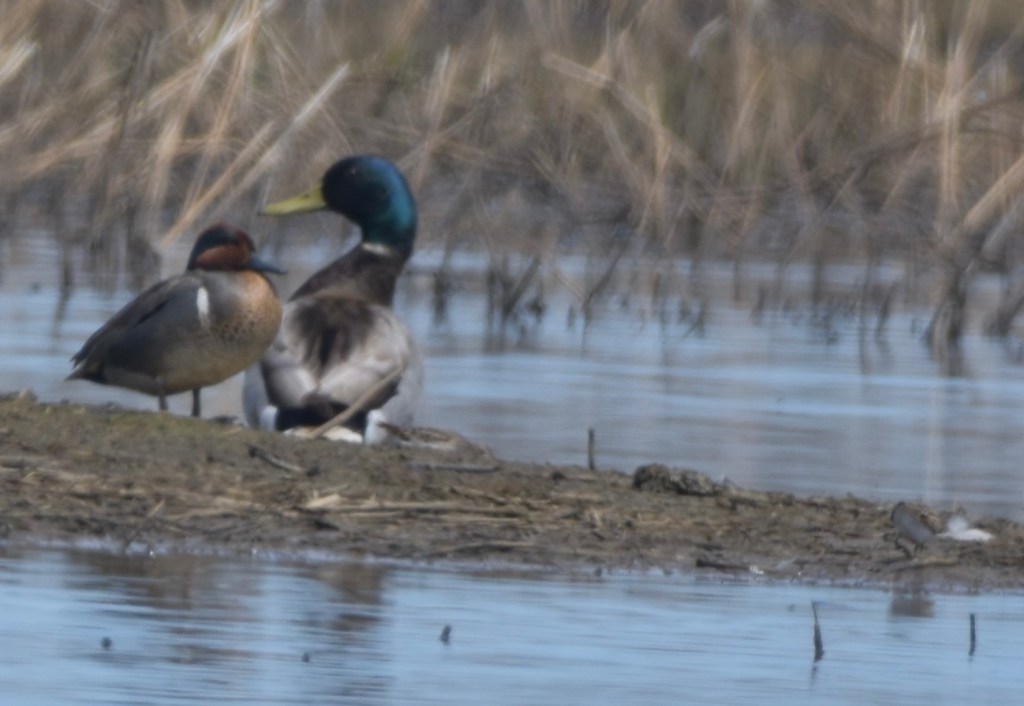
Here are a few ducks we spotted: Green-Winged Teal, Mallard and a Western Sandpiper in the right corner; Cinnamon Teal; Northern Shovelors and Gadwall. We also saw a pair of Northern Pintails among the White-Fronted Geese but couldn’t get a good photo.
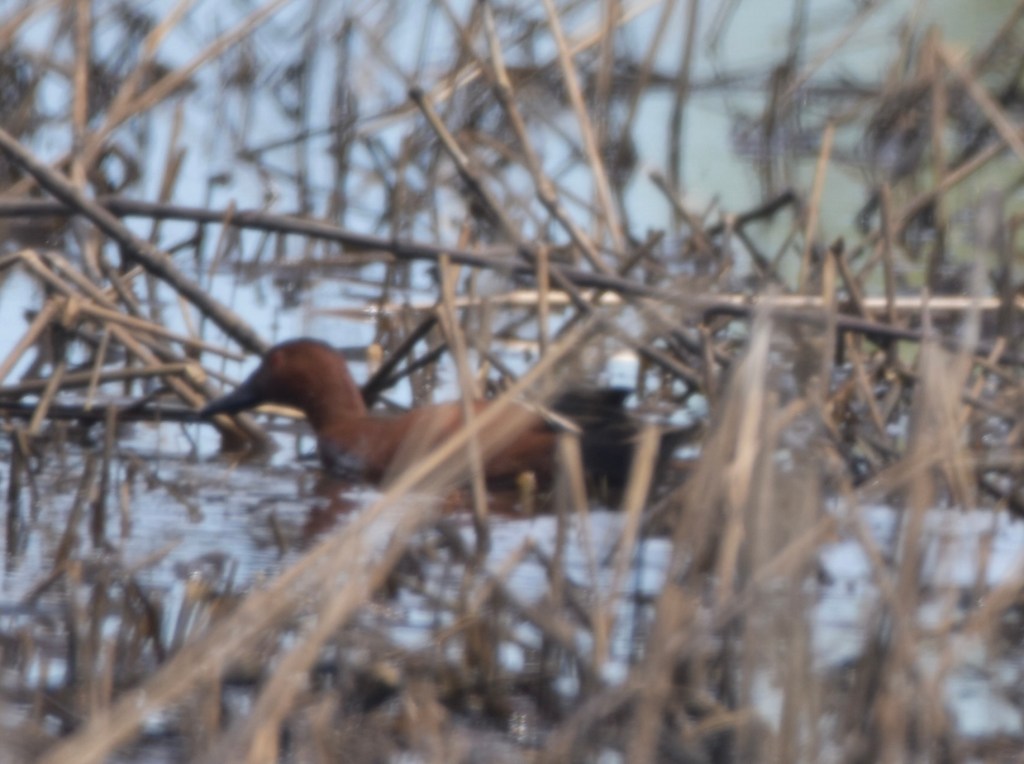
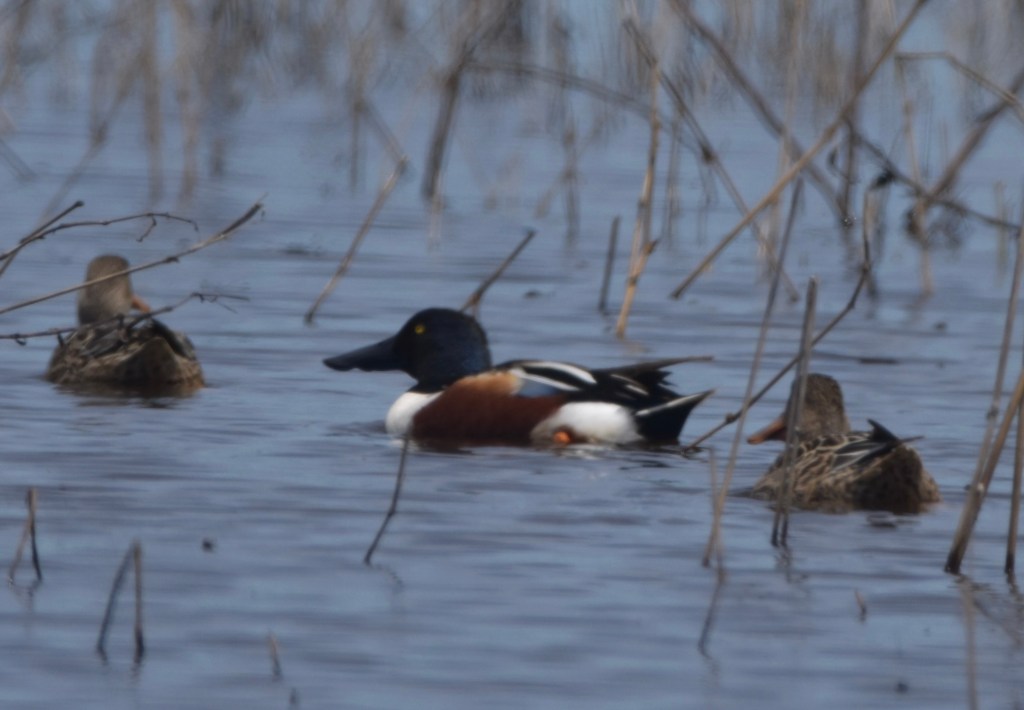
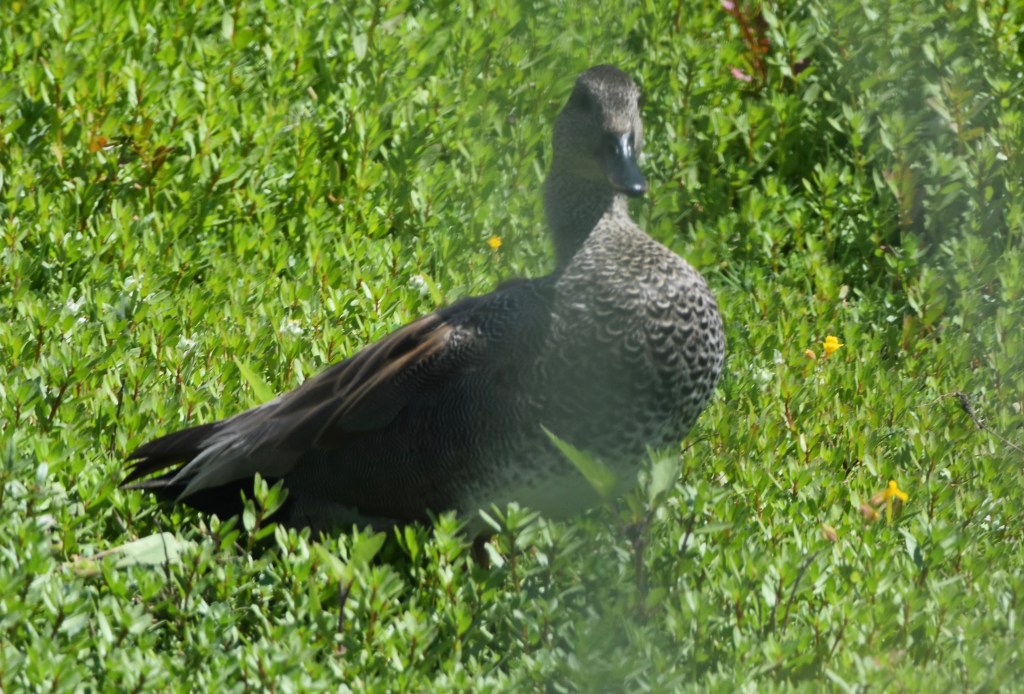
Here are the wading and shorebirds: Lesser and Greater Yellowlegs; Black-Necked Stilts; Killdeer; Great Blue Heron ;and Great Egret.
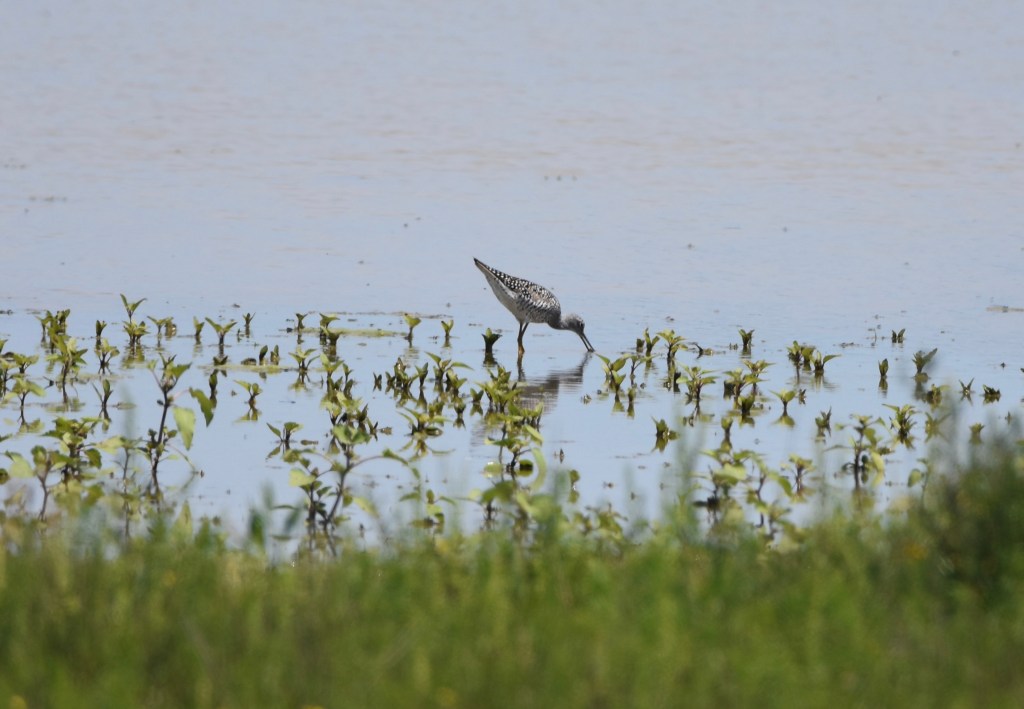
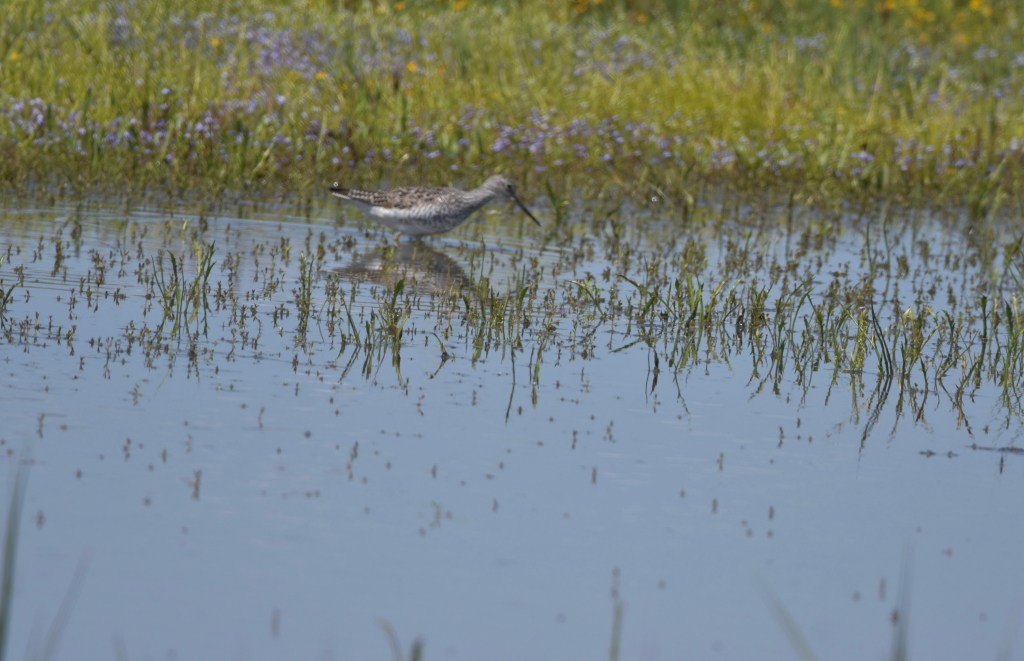
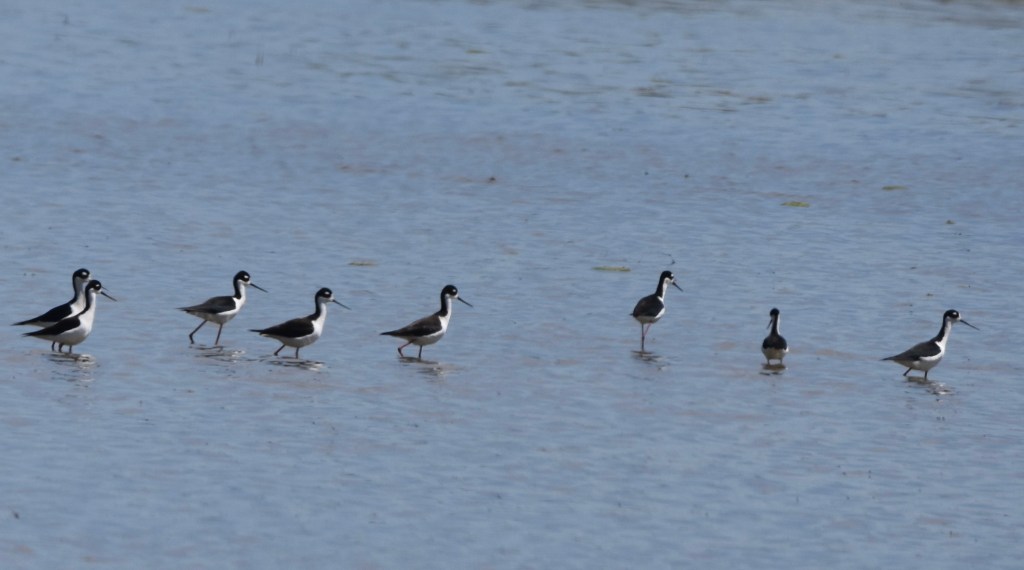
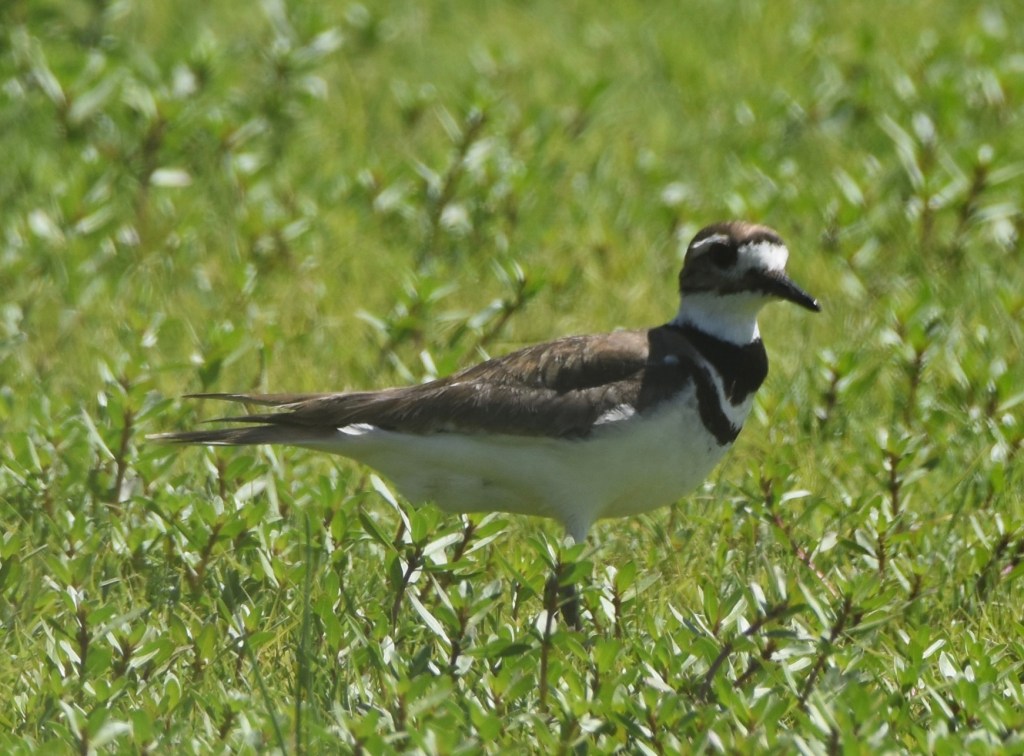
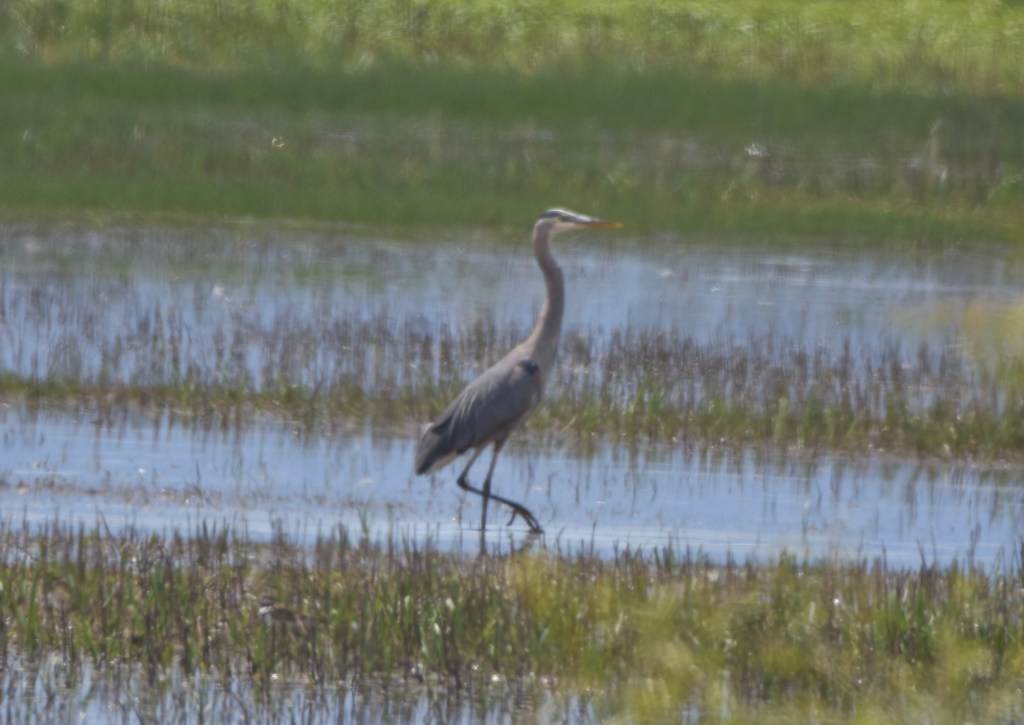
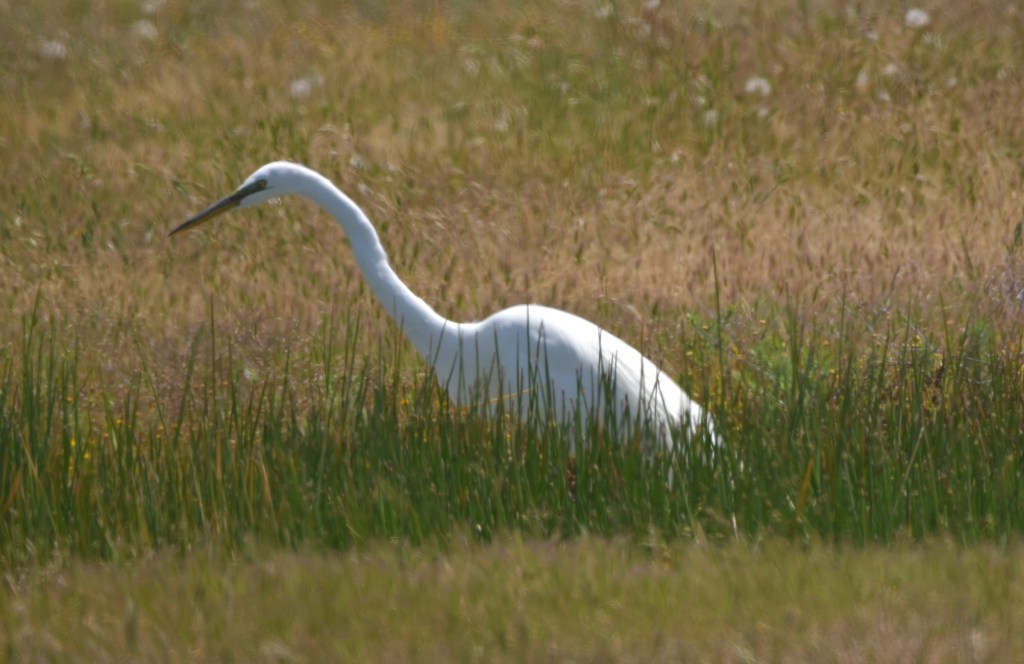
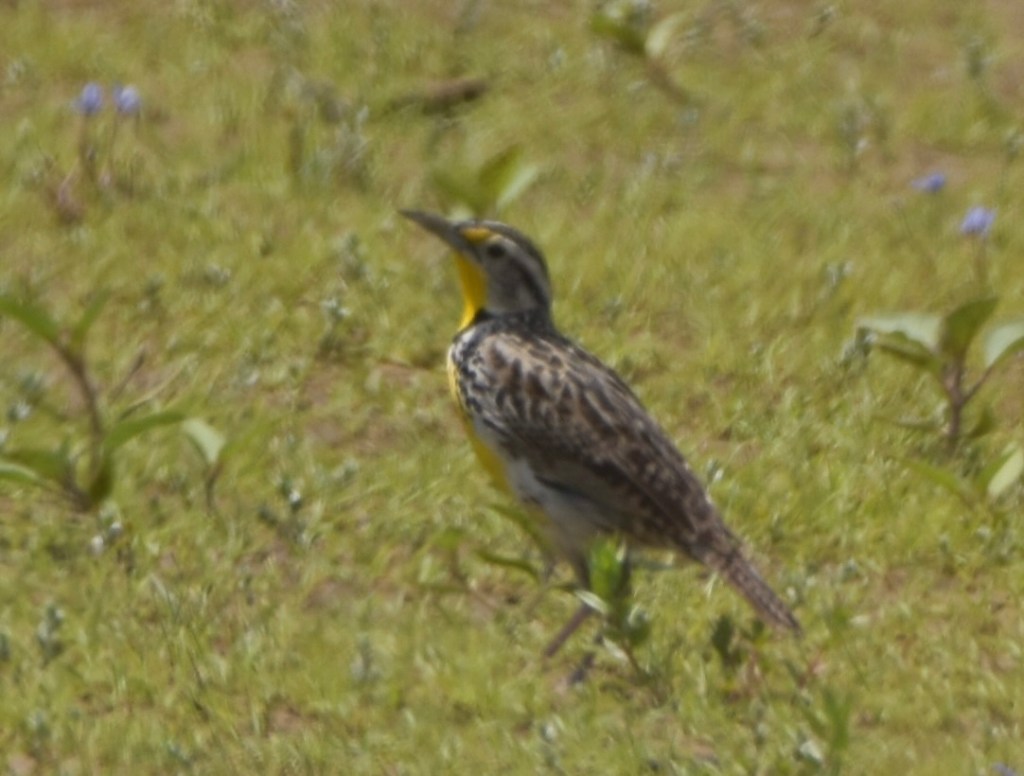
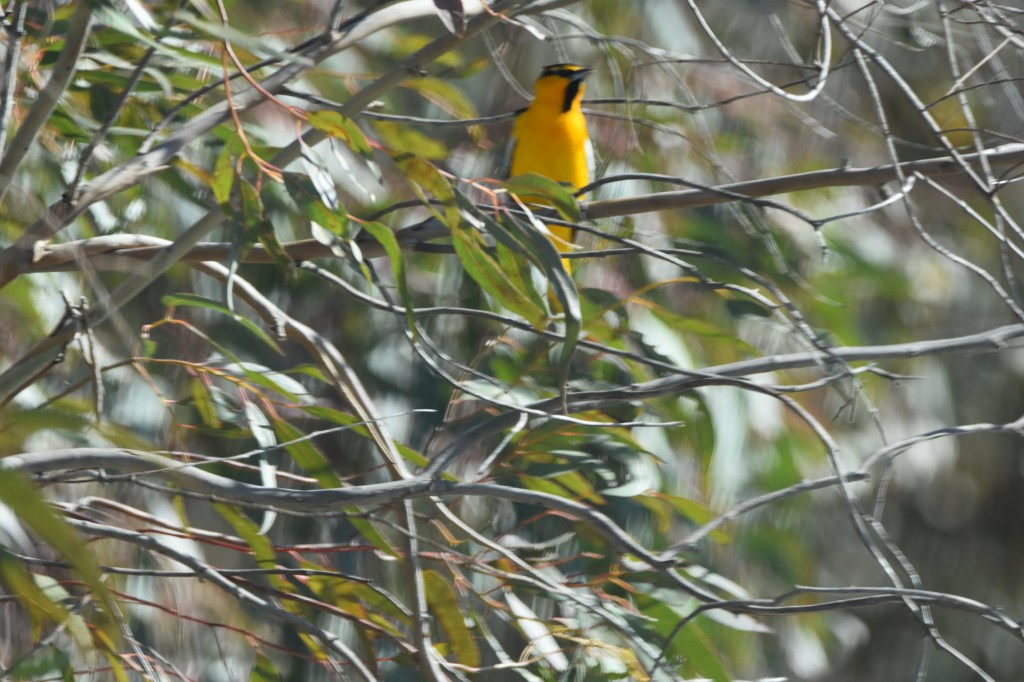
In addition to the water birds, I spotted other marshland residents including a Western Kingbird, a Yellow-Rumped Warbler, Bullock’s Oriole, Wild Turkey and Western Meadowlarks
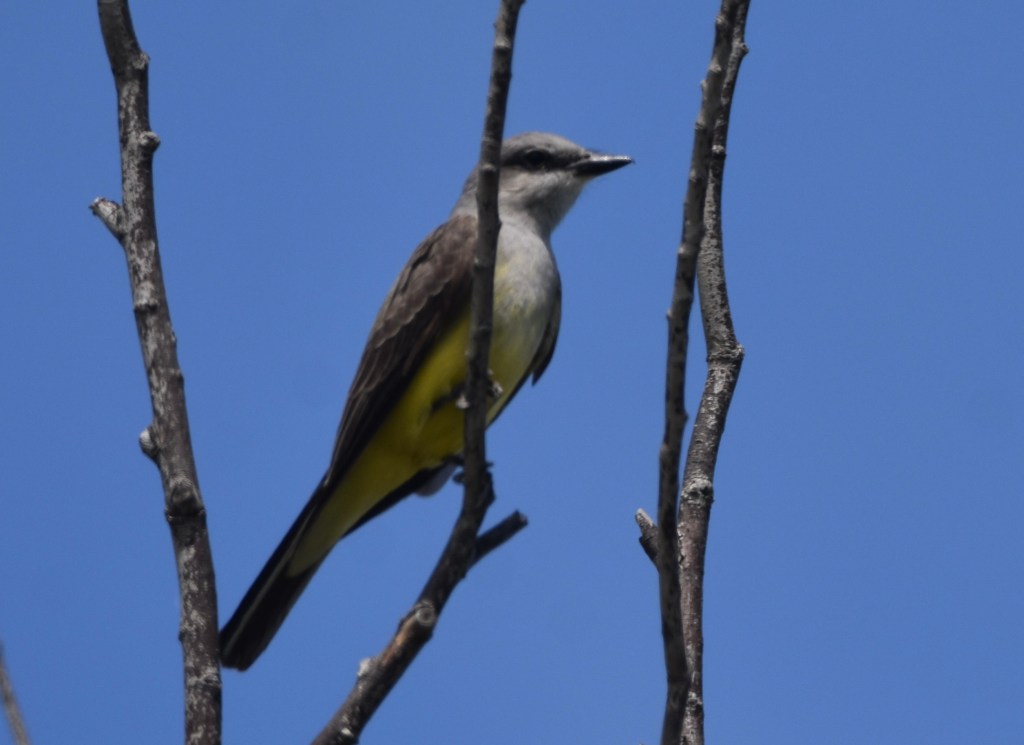
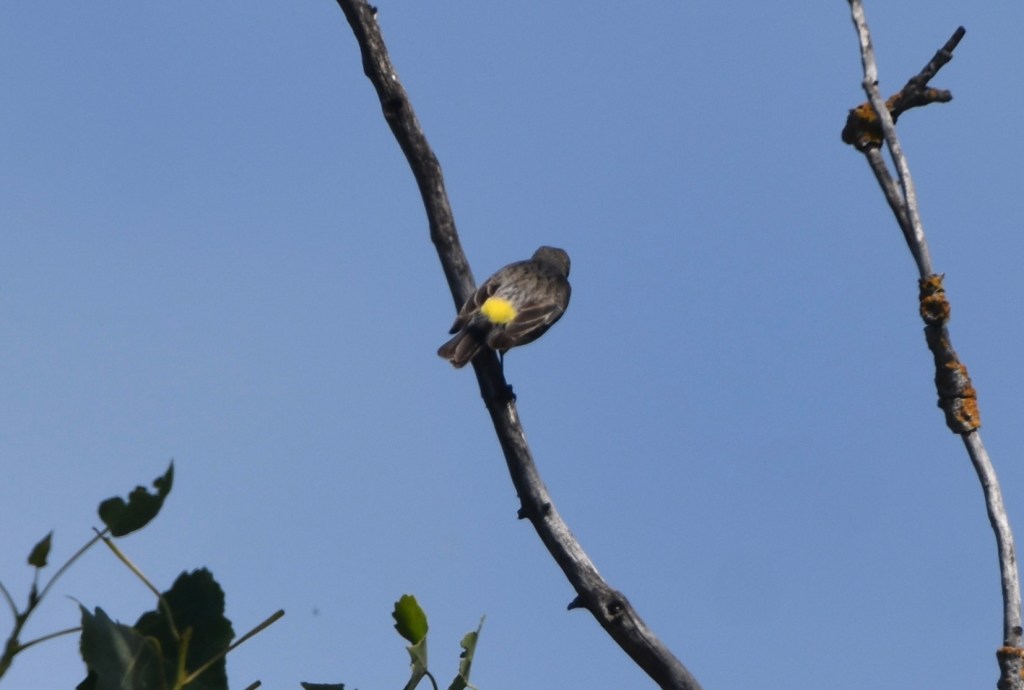
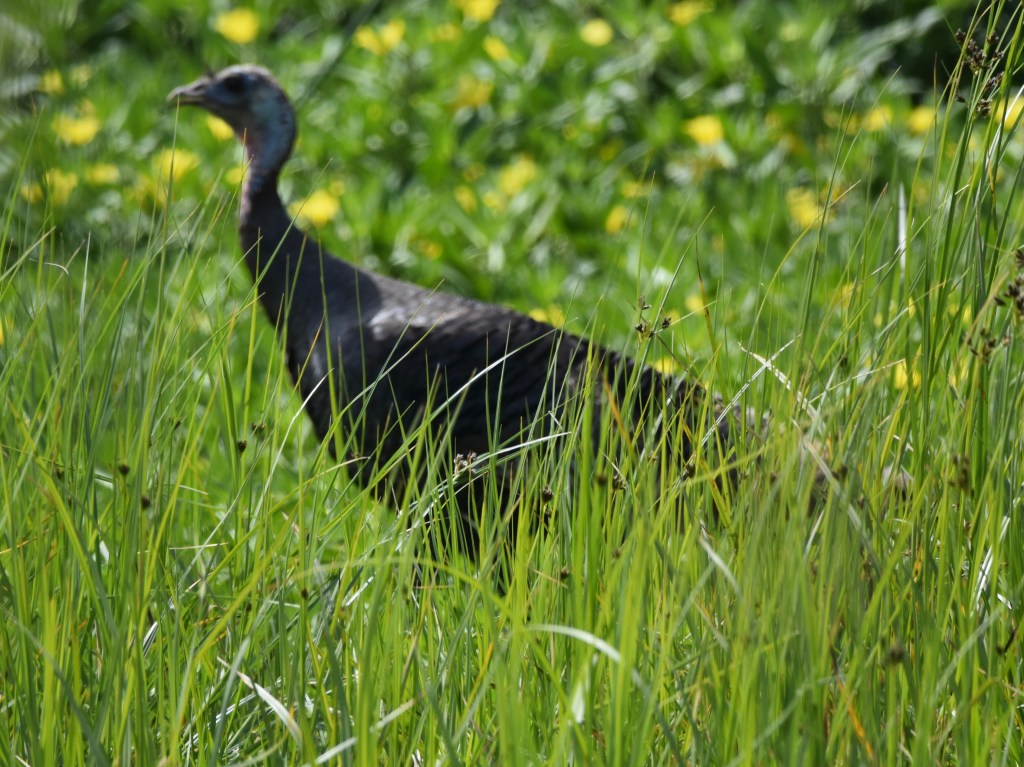
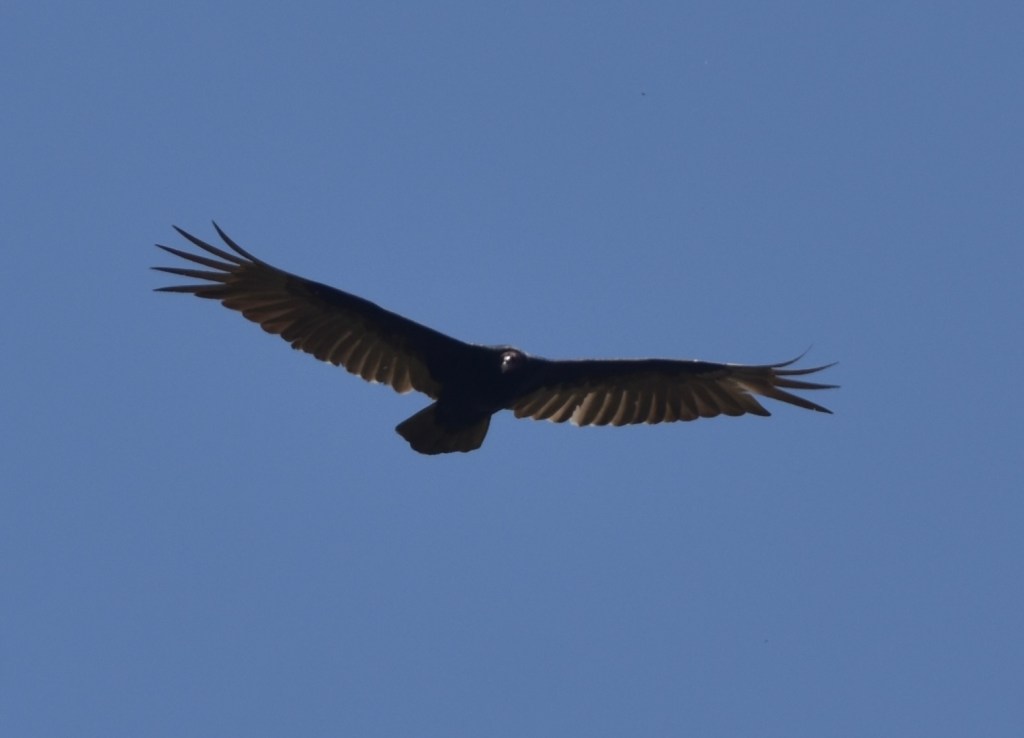
And of course, the ever present soaring turkey vultures could be seen circling overhead during the entire visit.
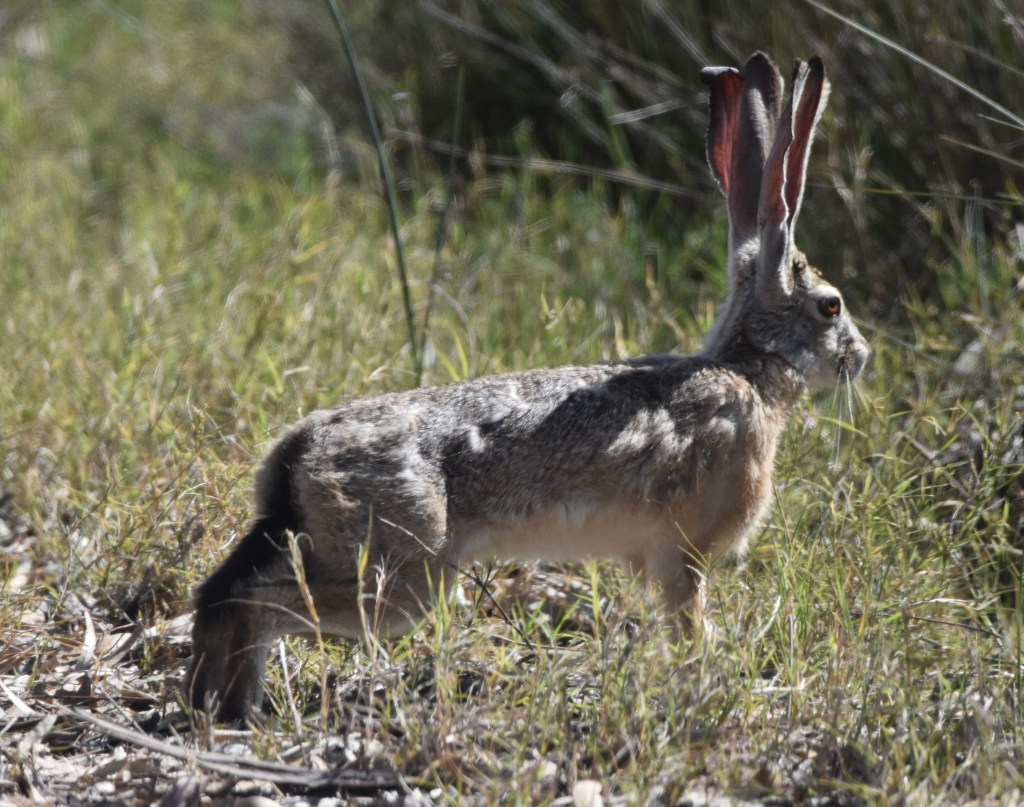
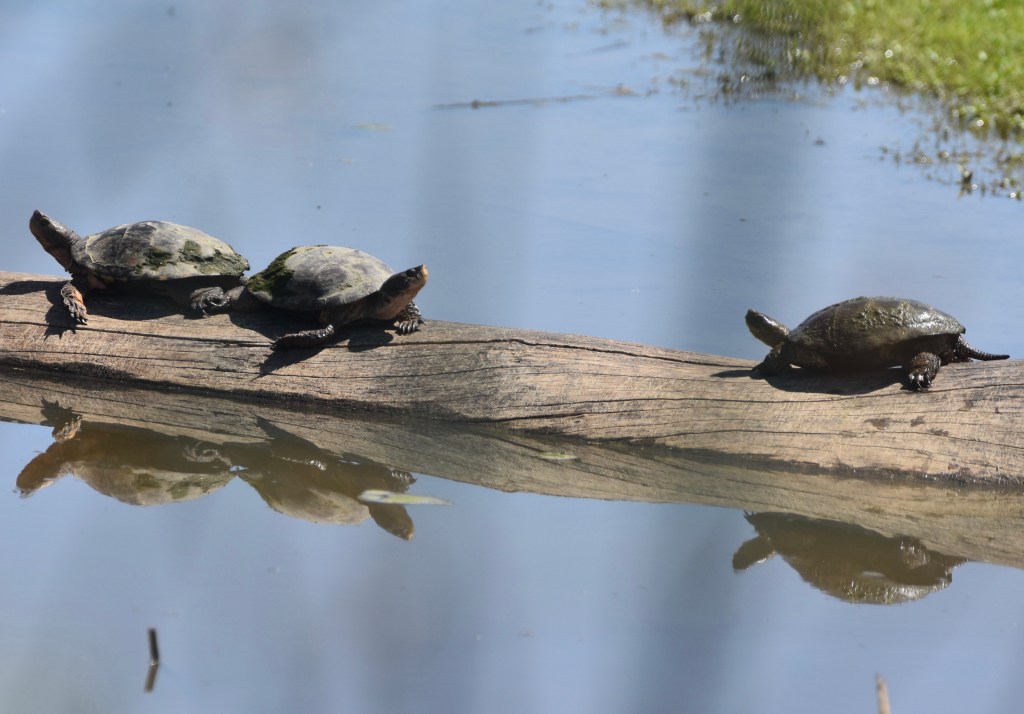
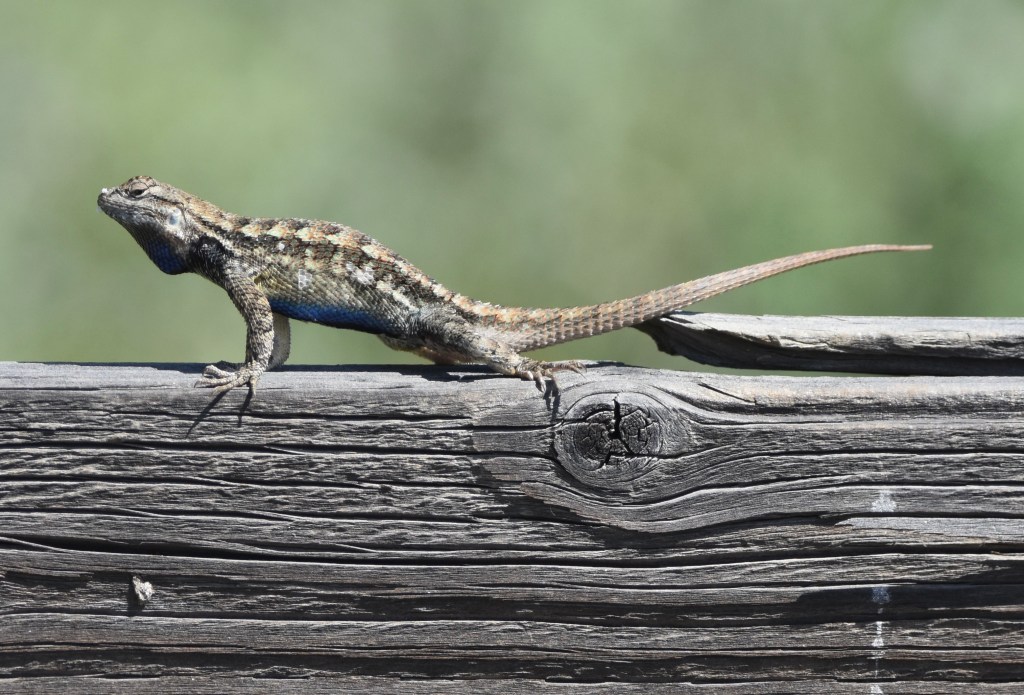
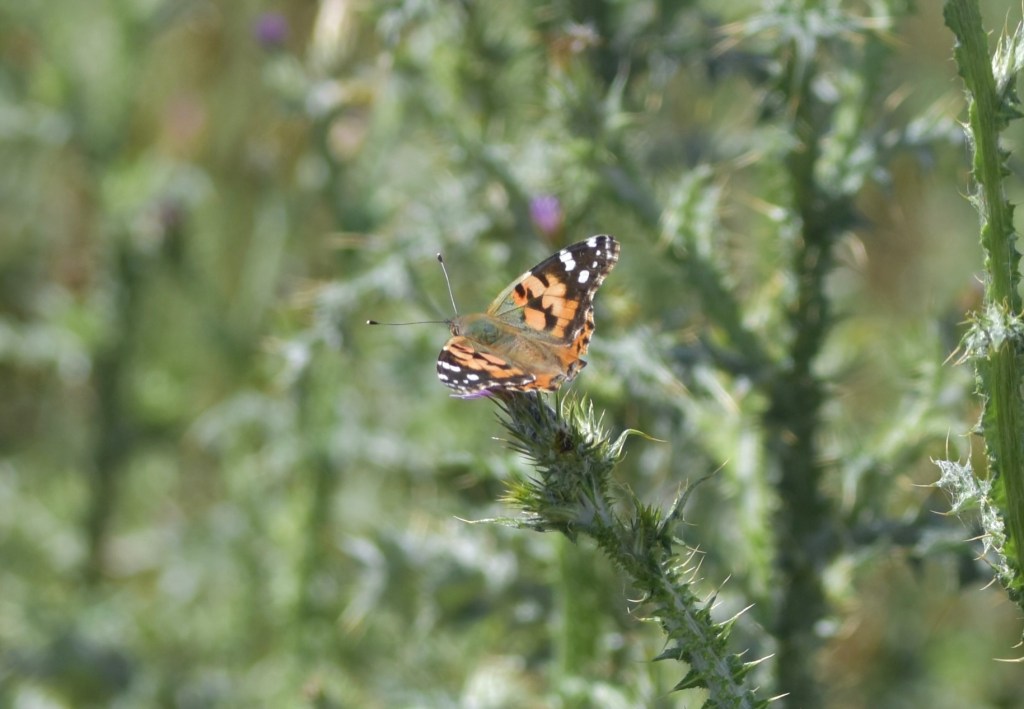
Birds weren’t the only wildlife we spotted: we saw jackrabbits, pond turtles, lizards and butterflies.
The local eagles are having a tough year. The Lake Natoma eagles lost their nest when their nesting tree fell just after New Years. They built another nest and laid 2 eggs only to lose the babies shortly after hatching. Hopefully, they will come back next year and be successful.
The weather here has been totally crazy. We had thunderstorms followed by hot dry days followed by cloudy days with rain and snow in the mountains, then more heat followed by another spring storm with light showers. This week started with rain and temps in the mid-60s expected to rise to the 90s by the end of the week.
What’s up in your neck of the woods?
Daily Kos is free for everyone—no paywall, no barriers. Help keep it that way
Daily Kos is committed to keeping all our content free. That’s why we don’t have a paywall, and never will. However, Daily Kos’ revenue is down, and we may not be able to continue producing the quality of work you have come to expect from us. Donations from our readers are our largest source of income. If you value independent, accessible, paywall-free journalism, please consider making a donation today.
Power matters.