
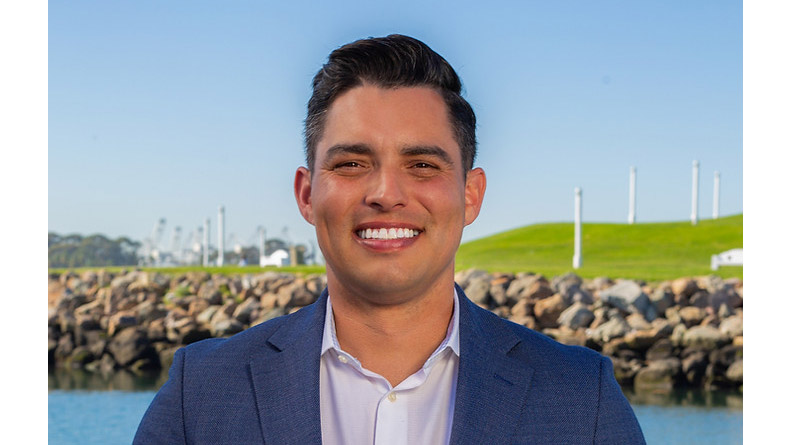
Ahead of the June primary election, the Southern California News Group compiled a list of questions to pose to the candidates who wish to represent you. You can find the full questionnaire below. Questionnaires may have been edited for spelling, grammar, length and, in some instances, to remove hate speech and offensive language.
Name: Chris Sweeney
Current job title: Business Owner
Age: 36
Incumbent: No
Other political positions held: No other political positions held
City where you reside: Long Beach
Campaign website or social media: sweeneyforlb.com
One of the main issues local leaders are grappling with is Long Beach’s current and long-term fiscal position. With major budgetary concerns on the horizon, explain your top priorities for Long Beach’s financial future and the mayor’s role in achieving those goals. (Please answer in 200 words or less.)
First, I will order a truly independent audit of our city’s finances. The question is simple: Where is the money going?
We’ve spent millions on projects like unopened shelters and programs that aren’t working, with very little accountability. I will make the results public, every piece, so residents can see exactly what’s happening with their tax dollars.
At the same time, we’re making it too hard for small businesses to open in Long Beach. That’s costing us jobs and local revenue. Through our LB28 small business and economic growth plan, we’ll cut red tape and make it easier to open and grow a business — bringing in more revenue and putting us on a long-term path to lower tax rates.
We don’t fix this overnight. But we can start by being honest about where we are and focusing on what actually works.
Explain your plan to bolster local economic development, increase jobs and support both local and large businesses in Long Beach. (Please answer in 200 words or less.)
Long Beach has the foundation to be one of the strongest local economies in the country, but right now, we’re making it too hard to do business here and too hard for working people to get ahead.
Through our LB28 small business and economic growth plan, we focus on one core goal: making Long Beach easier to invest in, hire in and grow in. That starts with cutting red tape, streamlining permitting, creating clear timelines and coordinating departments so businesses can open faster and start hiring sooner.
For small businesses, that means lower costs and real access to opportunity. For larger employers, it means a city that is predictable, responsive and committed to creating good-paying local jobs.
We’ll prioritize local hiring, support pathways into the workforce and make sure Long Beach residents benefit directly from the jobs created — especially with the opportunities leading into the 2028 Olympics.
When more businesses open and expand here, we create jobs, raise opportunities and strengthen our neighborhoods, building an economy that works for everyone.
Homelessness and affordable housing continue to be a top issue for Long Beach residents. What is your position on the city’s current efforts to reduce homelessness and increase affordable housing availability, and how do you plan to improve these efforts? (Please answer in 200 words or less.)
Homelessness in Long Beach is still getting worse despite significant spending; that tells us the current approach isn’t working the way it should. We need to be honest about that.
I support continuing to invest in housing and services, but with far greater accountability. We should know exactly how many people are being moved off the street, how quickly and which programs are actually delivering results. If something isn’t working, we need to change it.
We also need to focus on long-term, truly reformative solutions. That means real mental health care, addiction treatment and job training — programs that help people stabilize and stay housed. Without that, we’ll continue cycling people through the same system without lasting results. These resources should also be available to Long Beach residents who are struggling but not yet homeless, so we can prevent the problem before it starts.
The goal is simple: fewer people on the street, more people in stable housing and neighborhoods that feel safe and cared for. We need a system that actually works, not just one that spends.
Long Beach residents have been sounding the alarm about the presence of federal immigration enforcement agents and operations in the city. Where do you stand on ICE/CBP actions, and how to plan to address residents’ concerns about this issue? (Please answer in 200 words or less.)
Federal immigration enforcement activity, including ICE operations, has raised real concerns in our community. But what’s clear is this: The current approach from city leadership isn’t working. Our job as a city is to maintain order, protect our residents and avoid unnecessary disruption.
Refusing to communicate or coordinate with federal agencies doesn’t protect our residents; it creates confusion, escalates tensions and ultimately makes Long Beach more of a target. That’s not leadership; it’s performative.
We need to be serious about how we govern. That means maintaining local control where we can, while also having clear, responsible lines of communication so our community isn’t caught in the middle of political posturing.
My priority is simple: protect law-abiding residents, keep our neighborhoods stable and ensure Long Beach is not put in a position where outside intervention becomes more likely because of our own failures.
Leadership means being effective, not symbolic. If we do our job here at home, we reduce disruption and restore confidence across our city.
Many cities in the region have struggled hiring and retaining police officers, with some implementing hiring bonuses and other incentives to bolster their ranks. What would you like to see the city do to ensure sufficient law enforcement capacity? (Please limit your answer to 200 words or less.)
Public safety starts with making sure we have enough officers on the street, and right now, we’re relying too heavily on overtime to fill the gap. Officers appreciate the pay, but it’s not sustainable. It leads to burnout, impacts performance and ultimately pushes good officers to leave for departments that give them their personal lives back.
We should be using those resources more effectively — hiring and retaining officers instead of over-relying on overtime. That’s better for our budget, better for our officers and better for public safety.
We also need to be honest about how much we’re asking our officers to do. Today, they’re expected to handle everything: mental health crises, homelessness, traffic and violent crime. That’s not sustainable, and it’s not the most effective way to serve our community.
We should be investing in the right support roles so officers can focus on what they’re trained to do, while still ensuring people get the help they need.
At the same time, we need to be smarter about how we deploy resources. In a city of nearly half a million people, we should be prioritizing traffic flow and safety during peak hours. Focusing on what has the greatest impact on daily life. Doing this also helps reduce accidents, fatalities and related incidents, which too often pull officers away from higher-priority crime prevention and investigations.
With the right staffing, support and leadership (especially as we head into the 2028 Olympics), we can strengthen our police force and make Long Beach a model for the country.