
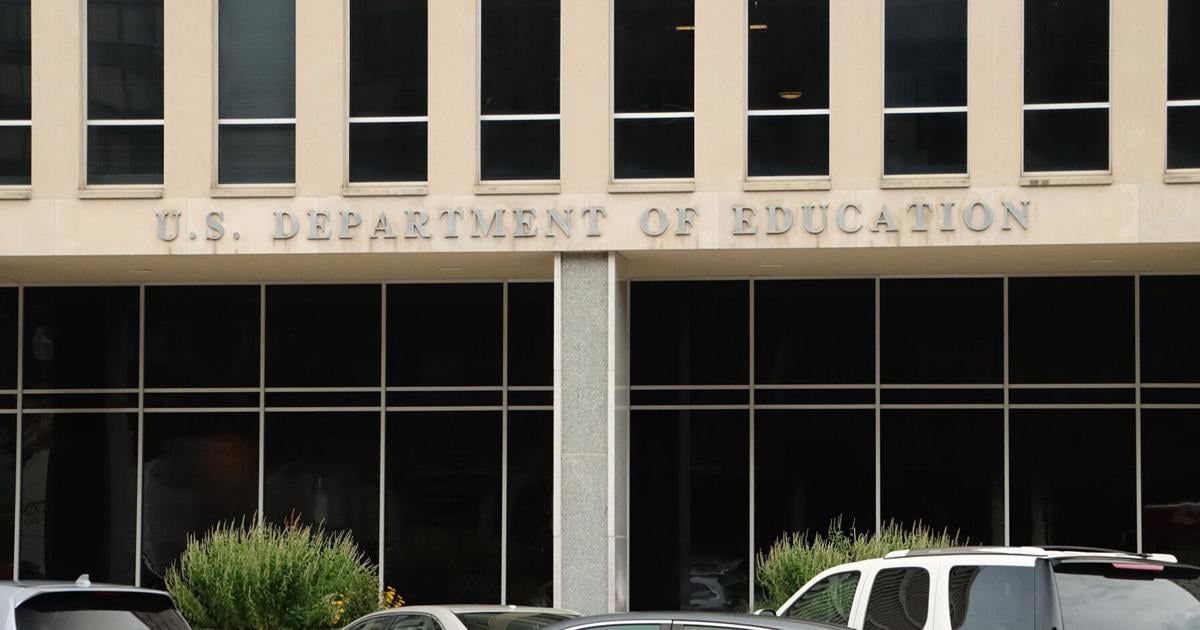
Campus lost an $836,000 annual grant for its Educational Talent Search program, or ETS, halting college readiness services for disadvantaged youth.
The campus ETS program typically serves about 1,500 students across 10 high schools and middle schools, providing free year-round college support to students who come from educationally disadvantaged backgrounds.
“Without renewed federal support, ETS services are paused while the university evaluates options,” campus spokesperson Lindsey Michels said in an email. “Campus leadership and program staff are exploring bridge funding, community partnerships, and future federal application opportunities to sustain the program’s mission.”
ETS offers services such as academic advising, tutoring, college application and financial aid assistance, test preparation, campus visits and family workshops. According to a report by Inside Higher Ed, the funding was cut in September, when many high school juniors begin standardized test preparations and high school seniors typically begin submitting college applications.
The ETS program is offered through the federal TRIO program, which manages outreach programs that identify and support students from disadvantaged backgrounds. The campus ETS program is one of about 123 TRIO programs to lose federal funding this year, according to Inside Higher Ed.
In order to reach students, TRIO offers eight national programs and provides grants to universities, such as UC Berkeley, as well as public and private agencies. All of these programs aim to help low-income and first-generation students pursue higher education.
Campus offers three TRIO programs: ETS, Student Support Services and Upward Bound. Despite the fact that all three programs work to serve those who come from disadvantaged backgrounds in higher education, only ETS lost funding. The reason why is currently unknown, according to Michels.
TRIO has received bipartisan support since its inception under President Lyndon B. Johnson in 1964, but President Donald Trump’s administration’s 2026 budget proposal would defund the TRIO program entirely.
According to the Council of Opportunity in Education, a nonprofit that calls itself the only national advocate for TRIO programs, more than six million students have graduated from college thanks to TRIO programs. Furthermore, ETS students are 26% more likely to enroll in college than students in the bottom income quartile nationally.Notable alumni of TRIO programs include celebrities such as “What Would You Do?” host John Quiñones and EGOT winner Viola Davis.
Student Support Services and Upward Bound, which offer similar services, continue to serve campus students and schools in the Bay Area. However, it remains uncertain whether the programs will be able to provide services next year under the current budget proposal.
“The top priority remains ensuring that students in the program’s partner schools continue to receive the support they need to pursue higher education,” Michels said in the email.