
The UC Berkeley Restorative Justice Center will no longer offer direct community services as it transitions to an online resource hub. Students will continue the center’s operations in a limited capacity under an ASUC charter program.
The Restorative Justice Center was originally opened with the support of a seed grant in 2012, and later continued its operations with funding from the Wellness Fund and CACCSF. The center was informed that it would no longer be supported by the Division of Equity and Inclusion last year, and officially closed at the end of the fall 2025 semester, according to a source who asked to remain anonymous due to fear of retribution.
Campus spokespeople did not clarify why the physical center was shut down.
According to associate vice chancellor for community engagement and transformative care Elisa Diana Huerta, this change reflects “broader changes in priorities and resource allocation.”
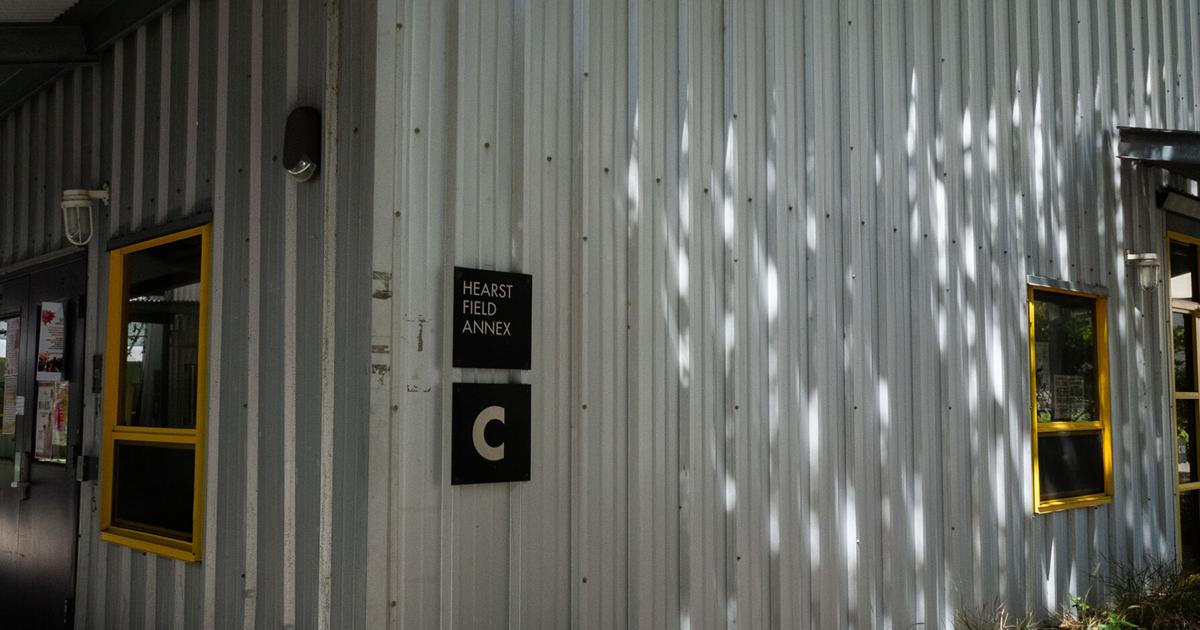
Previously located in the Latinx Student Resource Center at Hearst Field Annex, the Restorative Justice Center was closed at the end of the 2025 calendar year. An archived announcement on the Division of Equity and Inclusion website announced plans to “transition into a Restorative Justice Hub,” focusing on education.
With the closure of the center, previously student employees were left to find their own space to continue their efforts and drafted the ASUC proposal “Establishing the Restorative Justice Resource Hub Charter,” which passed April 29.
Following the closure of the Restorative Justice Center, its former director, UC Berkeley School of Law lecturer Julie Shackford-Bradley, is now co-executive director of SEEDS Community Resolution Center, a Bay Area nonprofit organization offering restorative justice services.
The Restorative Justice Center used to offer direct services for students, staff and faculty, often in providing support for roommate conflicts, academic misconduct cases and more.
With its closure, the hub will now be limited to offering these services solely by directing students to external organizations.
“I think it just hurts our campus climate … without having these hard conversations, we’re unable to move forward as a campus,” said Jordan Vu, a previous student employee of the Restorative Justice Center who helped draft the ASUC resolution. “We provide … lifelong lessons about communication that weren’t really typically offered … through groups on campus.”
Campus spokespeople did not comment on how leftover funding from the Restorative Justice Center will be used as of press time.
The ASUC charter program is set to begin operations in fall 2026.