
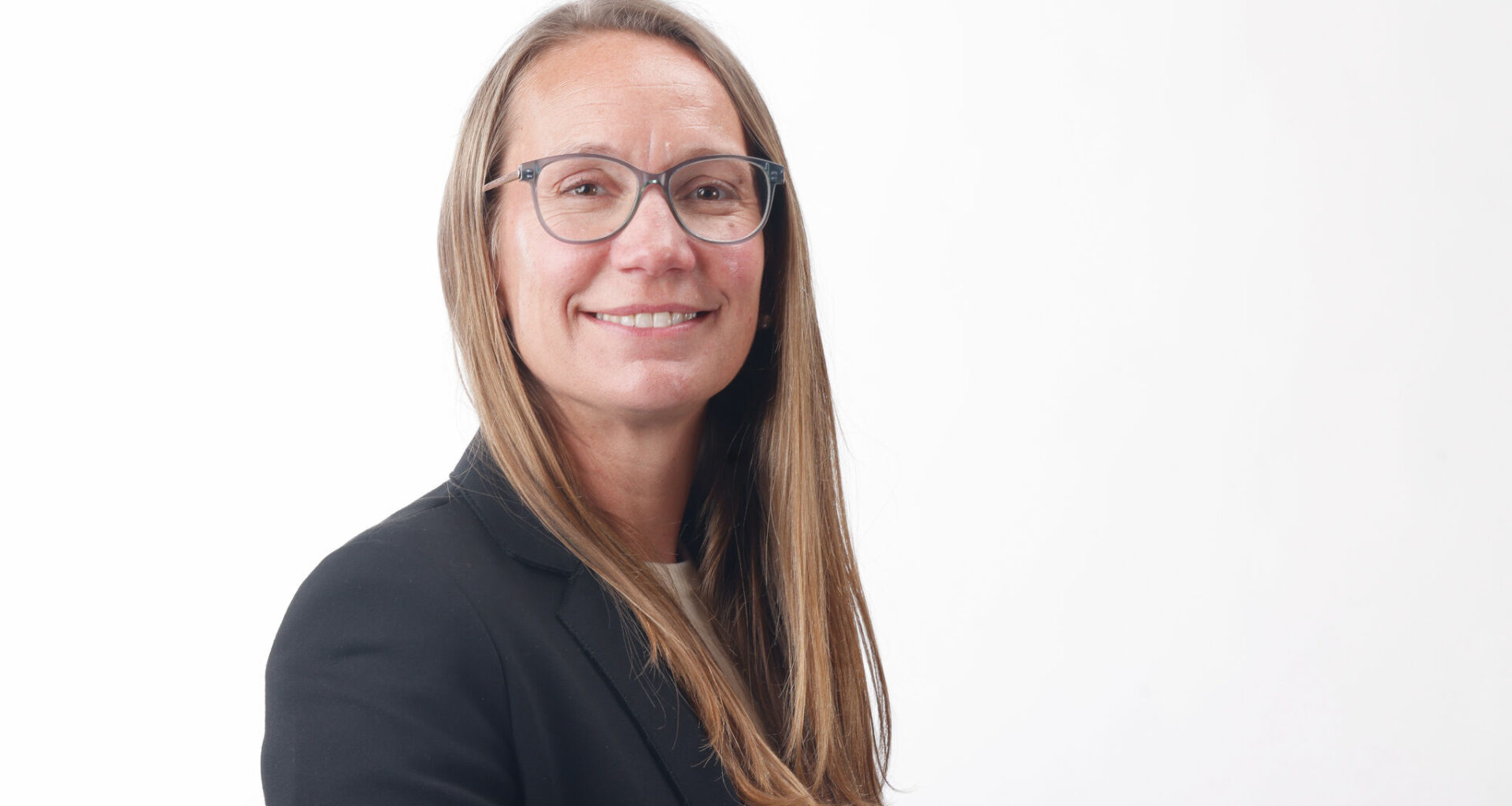
The editorial board is endorsing Phoebe Maffei because of her passion to seek justice for the victims of crime, her empathy for those who stand accused, the breadth of her experience and her flexibility.
Lea Suzuki/S.F. Chronicle
Judicial elections are becoming increasingly heated across the country. San Francisco is no exception.
In 2024, San Francisco Superior Court Judges Patrick Thompson and Michael Begert faced challenges from candidates backed by well-funded interest groups that alleged the incumbents were insufficiently tough on crime. In 2018, four public defenders decided over drinks to challenge four well-regarded judges, in a similar political effort to impose an ideological bent on the judiciary.
At a glance, the race between Assistant District Attorney Phoebe Maffei and Deputy Public Defender Alexandra Pray to fill San Francisco Superior Court’s open Seat 16 would appear to be the latest chapter in this ongoing storyline.
Article continues below this ad
But after interviewing both and digging into their backgrounds, it’s clear that reducing this race to an ideological proxy war does both candidates a disservice. This is a contest between two accomplished, well-regarded public servants with an abiding commitment to upholding the rule of law.
The San Francisco Bar Association has rated both as “well qualified” to serve as a judge. Speaking to them and learning about their views of the law, it’s easy to see why.
“I think you’re not doing your job as a judge if it’s about you or your politics and not about the work and the people in front of you,” Maffei, a Santa Clara University School of Law graduate who has been with the San Francisco District Attorney’s Office for 15 years, said when the editorial board asked what motivated her to run.
San Francisco Chronicle Logo
Make us a Preferred Source to get more of our news when you search.
Add Preferred Source
Pray, a graduate of Northeastern University School of Law who began working at the San Francisco Public Defender’s Office in 2010, was equally insistent to the editorial board about the need to separate politics from the courtroom.
Article continues below this ad
“A lot of people hear I’m a public defender and their signals go up and they think I have an agenda,” she said. “I don’t. My agenda is, I really have a lot of love and respect for our judicial system.”
Legal experts we spoke with cited courtroom experience and a measured temperament as things voters should consider when picking a judge, and Maffei and Pray are solid on both counts.
Maffei is a lifelong Democrat who is perhaps best known for her successful prosecution of the man who violently attacked Paul Pelosi, Rep. Nancy Pelosi’s husband, in 2022. After graduating from high school in 1999, Maffei moved from Massachusetts to San Jose to work in an AmeriCorps program helping low-income, Spanish-speaking residents. At the district attorney’s office, she started in traffic court before moving on to white collar crime, including elder financial abuse and consumer protection cases, as when San Francisco and Los Angeles sued Uber in 2014. She convincingly argued that these wide-ranging experiences have taught her the importance of empathy.
“One of the most important things to me is that people in the courtroom feel heard,” Maffei said, adding that the best judges are those who “can command a courtroom by making time for people who need to be heard on rough days.”
After completing a public defense internship in Boston, Pray, a former Republican turned Democrat, volunteered at the Tenderloin Housing Clinic in San Francisco, helping residents fight unlawful evictions. She also trained poll workers at the Department of Elections. She was later hired as a misdemeanor attorney in the public defender’s office and has tried over 50 cases. Over the course of 10 years in that role, she told us, she has settled numerous cases and “developed really great working relationships with a lot of prosecutors.”
Article continues below this ad
Notably, Maffei has a slight edge over Pray in the number of endorsements she has received from sitting and retired Superior Court judges.
Judge Rochelle East, the presiding judge on the Superior Court, who would be the person who decides where to assign whoever wins in either criminal or civil court, has endorsed both Maffei and Pray.
While choosing between these strong candidates is difficult, the editorial board is endorsing Maffei based on her passion to seek justice for the victims of crime, her empathy for those who stand accused and the breadth of her experience.
One further differentiating factor: flexibility.
Pray, the daughter of a New York State police officer who was raised in Rochester, N.Y., told us she “wouldn’t want a criminal assignment.”
Article continues below this ad
Maffei, on the other hand, indicated she was open to being placed wherever she was needed most.
The editorial positions of The Chronicle, including election recommendations, represent the consensus of the editorial board, consisting of the publisher, the editorial page editor and staff members of the opinion pages. Its judgments are made independent of the news operation, which covers the news without consideration of our editorial positions.
“I hope that I get to move around and have different experiences on the bench, handle those different assignments,” she said.
Depending on the needs of the court, we think that openness is another consideration that helped tip this difficult decision in favor of Maffei. But Pray would also make an excellent judge, and Gov. Gavin Newsom or whoever succeeds him in office should consider appointing whichever candidate is not elected in the June 2 primary.
Reach the Chronicle editorial board with a letter to the editor:www.sfchronicle.com/submit-your-opinion.