
“That is massive,” she says.
The campaign also has helped launch initiatives such as a culturally tailored safe-sleep program for infants, now integrated across Sacramento’s health care systems.
For many involved, the campaign is more than a job; it’s a calling.
“This is sacred work. It’s ministry,” says Danielle Lawrence, director of Mutual Assistance Network, a community incubator lead partner in Arden-Arcade since the launch of the program.
Lawrence says the campaign represents the county’s accountability.
“It’s what Sacramento owes the Black population,” she says. “No one should be OK with that disparity.”
The work focuses on prevention by addressing root causes such as housing instability, economic hardship, and mental health issues.
“We’re not just service providers,” Simmons says. “We’re offering a hand up.”
Despite progress, leaders say the challenges facing Black families remain significant.
Housing costs, job instability, and cuts to public funding continue straining families.
Even as outcomes improve, gaps remain, which leaders say stresses the need for continual investment.
Looking Ahead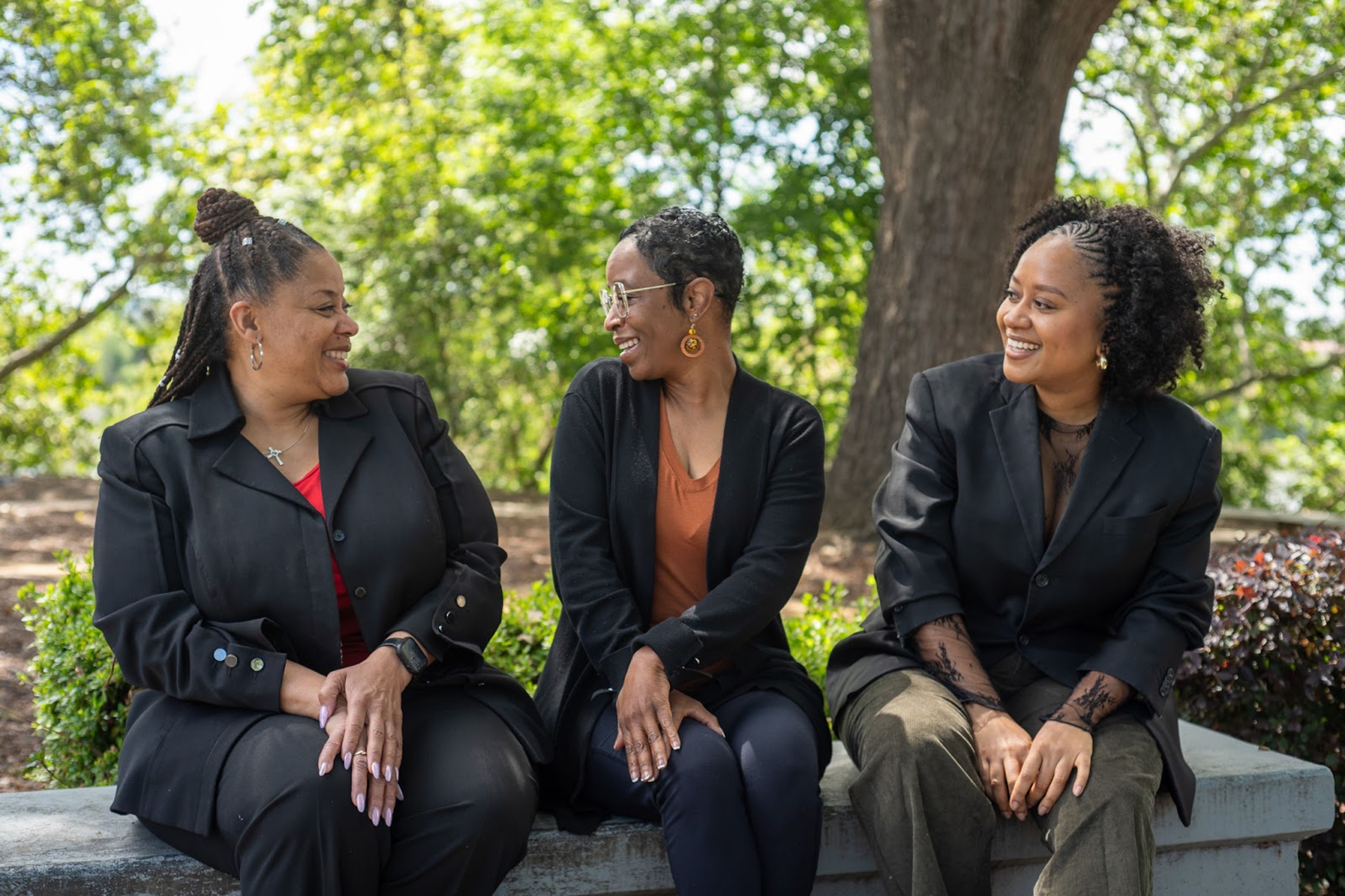 From left, Kim Williams, Danielle Lawrence and Jedida Gomes outside of the Black Child Legacy Campaign office April 24.Russell Stiger Jr., OBSERVER
The campaign is expanding to an eighth site in Rancho Cordova, working to reach more families. But in the long term, leaders say the goal is bigger than growth.
“Our goal is not to need this campaign,” Simmons says. “Our goal is for us to be able to work ourselves out of a job.”
Until then, the work continues, driven by the women leading it and the families they serve.
For Parks, the impact is already clear.
“I feel like it’s a family,” she says. “I feel like I have found a sense of community and belonging.”