
A new state law would cap concert ticket resale prices at 10% above face value
Those familiar with L.A.’s vibrant music and concert culture know the particular heartbreak that often comes with buying tickets — refreshing a page the moment presale drops, watching the queue crawl forward and arriving at the front of a virtual line only to find that floor seats to your favorite artist are already $800.
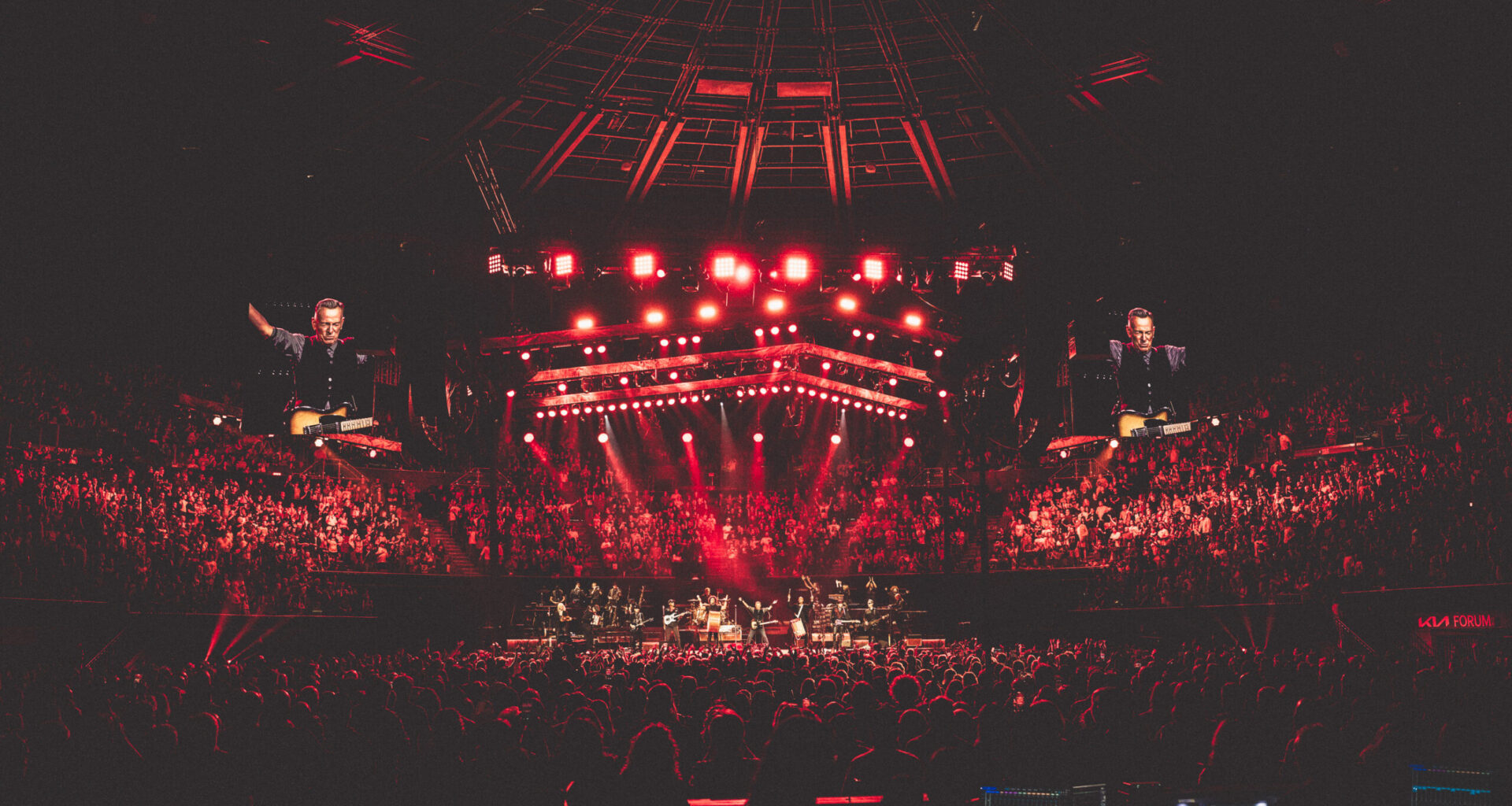
This is the reality of live music in 2026. In Los Angeles, concert-going is part of a cultural identity. The Hollywood Bowl is a summertime rite. Coachella is a ritual. Shows at Kia Forum, the Greek and the Wiltern form the connective tissue through which Angelenos experience music and build community. When tickets become inaccessible, much of this cultural connection is lost.
State Assemblymember Matt Haney hopes state lawmakers can fix it. His bill, formally titled the California Fans First Act, would cap ticket resale prices at no more than 10% above the original face value, fees included. The legislation takes aim squarely at the secondary market, where automated bots and shady resellers routinely buy up inventory in bulk and flip it at margins that effectively price out the average fan.
“All of that extra money is going into the pockets of scalpers and speculators — not to the artists, not to the venues,” Haney said.
He points to sold-out shows across the state, like a recent Sam Smith concert, where floor tickets that retailed for $150 are relisted within hours for $900, $1,200, sometimes more. For L.A., a city where the live music economy is vast and demand routinely outpaces supply, the pattern is exhausting.
Los Angeles is hardly alone. Across the country, ticketing has become one of the most scrutinized corners of the live music industry, with lawmakers and regulators increasingly focused on the dominance of Live Nation and its ticketing arm, Ticketmaster. High-demand tours in recent years have repeatedly exposed the same pattern — overwhelming queues, dynamic pricing spikes and resale listings that far exceed face value within minutes of a sale.
The bill has drawn notable support from Ticketmaster, which claims the legislation would protect both artists and fans. Meanwhile, the Consumer Federation of California has been blunt in its opposition, calling the bill a “wolf in sheep’s clothing,” arguing that throttling the secondary market ultimately hands even more structural power to Live Nation. Live Nation already controls a dominant share of the U.S. concert industry, and this restructuring could give it unprecedented market control.
Here’s a summary of key testimony so far in Live Nation’s legal fight with dozens of state attorneys general who allege that the company illegally monopolized the market for live events https://t.co/MXwPB8PZGh
— Bloomberg (@business) March 27, 2026
Scroll to continue reading
The concern is legitimate, especially in a market already dominated by a single, vertically integrated company. Limiting resale does not automatically make more tickets available; it can just mean fewer points of entry for fans who missed the initial sale.
The bill still has a long road ahead. It must clear both the State Assembly and the Senate before landing on the Governor’s desk. If the momentum holds, this might occur in early September. That’s still technically in time for the back half of outdoor concert season, though anyone who’s watched California legislation knows that the pace may be more glacial than it seems.
Whether or not the Fans First Act survives the political process, its existence signals a moment of cultural resistance. Live music has always been something Angelenos held in common, across neighborhoods, classes and tastes. The Hollywood Bowl on a warm night, the roar of a crowd at the Kia Forum, the communion of 125,000 people in the Coachella Valley — these experiences are quintessential to the city. For a lot of fans right now, it’s starting to feel like they are being priced out of something that once belonged to everyone.