
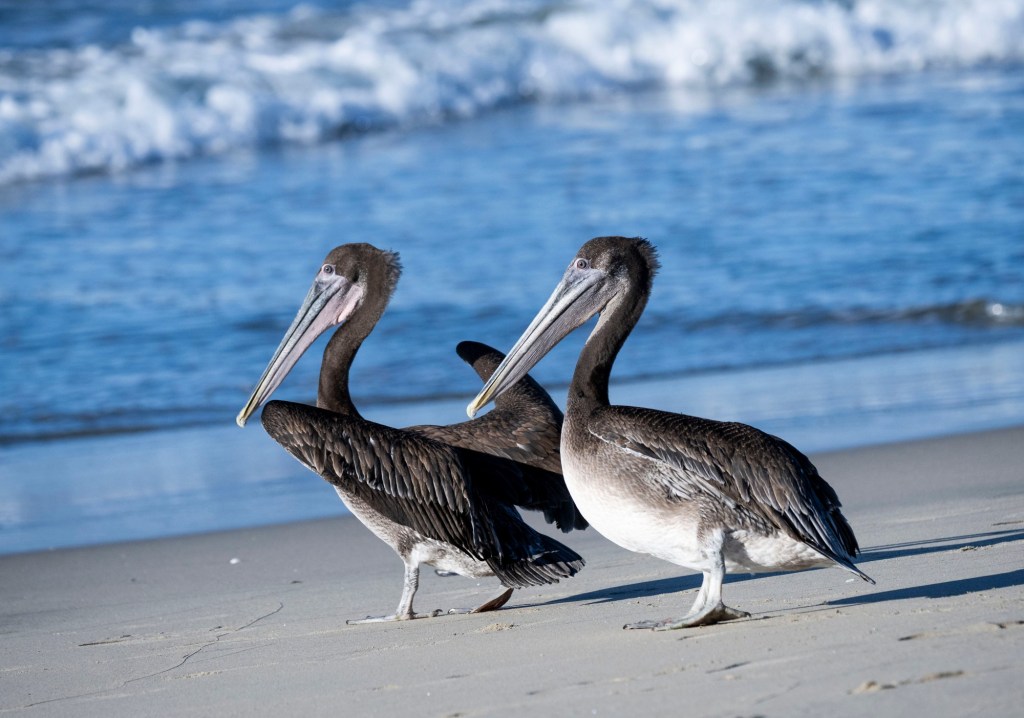
The coastline of San Diego is home to an amazing ecology, and the brown pelican, a famous representation of tenacity and the beauty of nature, soars there. However, underneath these magnificent birds’ beautiful silhouettes is an environmental tragedy — the chronic sewage crisis in Tijuana.
Untreated sewage from Tijuana has contaminated the waters of the Tijuana River Estuary and nearby coastal regions for years. According to advocacy group San Diego Coastkeeper, “billions of gallons of toxic pollution flow across the U.S./Mexico border bringing untreated sewage, hazardous industrial chemicals and trash into the Tijuana Estuary and Pacific Ocean.” A recent peer-reviewed study found that polluted flow from the river is now entering the air as well, with hydrogen sulfide levels measured at up to 4,500 parts per billion within the South Bay region. That is about 70 times the California one-hour air quality limit for hydrogen sulfide.
The brown pelican is seriously threatened by the catastrophic sewage crisis, which has long been disregarded by both the Mexican and American governments. However, it is not only a health risk to humans, it is a threat to all species in the surrounding areas of San Diego.
Clean coastal waters are essential for feeding the brown pelican, a conservation success story in California. These birds dive into the ocean and gather up fish to feed themselves and their young. Sewage contamination of their ecosystem adds dangerous germs, viruses and chemicals to their food chain, and has been implicated in declines in reproduction and survival in seabirds. Past studies of brown pelican eggs found measurable quantities of chemical contaminants dichlorodiphenyldichloroethylene or DDE, polychlorinated biphenyls or PCBs, and mercury, and linked these pollutants to reduced reproductive success. They underscore that seabirds like pelicans are vulnerable to contamination of their prey and environment.
Furthermore, the very fish populations that brown pelicans depend on are harmed by the pollution. Sewage-laden flows carry nutrients, surfactants and fecal bacteria that degrade aquatic habitat, impair fish and invertebrates, and create cascading ecosystem damage.
When fish populations are depleted or contaminated, pelicans experience food shortages or are compelled to eat prey that may carry toxins, a scenario ripe for the gradual buildup of dangerous compounds entering their systems. Decades of conservation efforts that helped save the brown pelican from extinction are now at risk of being undone by this cycle.
The sewage crisis serves as a sobering reminder that environmental problems transcend national boundaries. San Diego has made significant investments to safeguard its coastal waterways, but pollution coming from a few miles to the south undermines these efforts. A recent accord between the U.S. and Mexico allocates nearly $93 million toward wastewater infrastructure upgrades and sets a timetable through 2027.
A binational commitment to enhanced infrastructure, strict environmental regulations and accountability is necessary to address this situation. Preserving the health and integrity of the whole coastal environment that sustains innumerable species, including humans, is more important than merely saving a famous bird. Before the brown pelican and other silent victims suffer lasting harm, we as stewards of our environment must demand immediate action to stop the flow of sewage pollution into our shared seas. For the sake of the fish, the pelicans and future generations of San Diegans who should be able to live next to healthy, clean coasts, the moment for cross-border collaboration and strong environmental stewardship is now.
To protect the brown pelican and the San Diego coastline from the Tijuana sewage crisis, our community must move from awareness to action. You can start by joining local advocacy efforts through organizations like the San Diego Bird Alliance and Audubon California to stay informed and participate in organized beach cleanups and community meetings.
Furthermore, it is critical to contact your local and federal representatives to demand that the U.S. and Mexico uphold their binational commitments to infrastructure upgrades and strict environmental accountability. By lending your voice to this cause, you can help ensure that the nearly $93 million allocated for wastewater improvements is used effectively and transparently to stop the flow of toxic pollution into our shared Pacific waters.
Book is a student at San Diego City College and a member of the Bird Alliance at San Diego City College, an Audubon campus chapter.