
In a script note for her 2018 play “Sanctuary City,” Martyna Majok counsels theater companies on how the characters should not be played: “Avoid sentimentality and self-pity. They have no currency in these characters’ world.”
In Chance Theater’s new production, the intimate portrayal of the emotional stresses on two undocumented teens in early 21st century America generates currency for audiences’ feelings: How can we not pity the ruthless way these people are treated? Nor how can we not feel strong sentiments for an America that in its 250th year no longer extends dignity to all those here?
A Polish emigree, Majok has cast a caustic eye across three plays about characters living marginalized lives because of their outsider status. (In 2018, Majok won the Pulitzer Prize for drama for a fourth play, “Cost of Living.”).
The “Sanctuary City” of the title is a reference to this work’s setting in Newark, N.J., where local authorities limited cooperation with federal immigration enforcement agents.
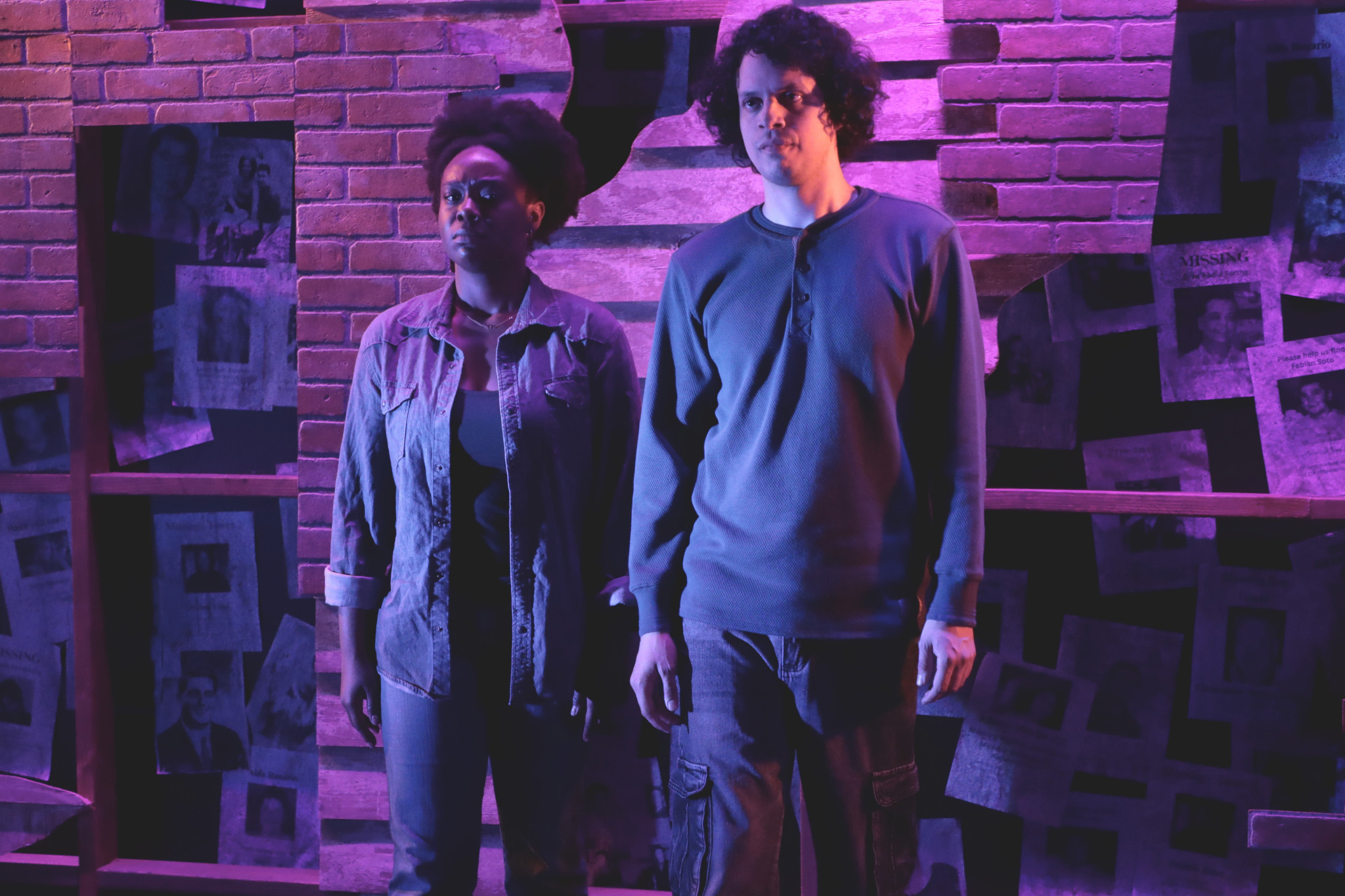
Vicky Yvonne and Spike Pulice star in “Sanctuary City,” pllaying at Chance Theater in Anaheim through June 7. (Photo by Doug Catiller)
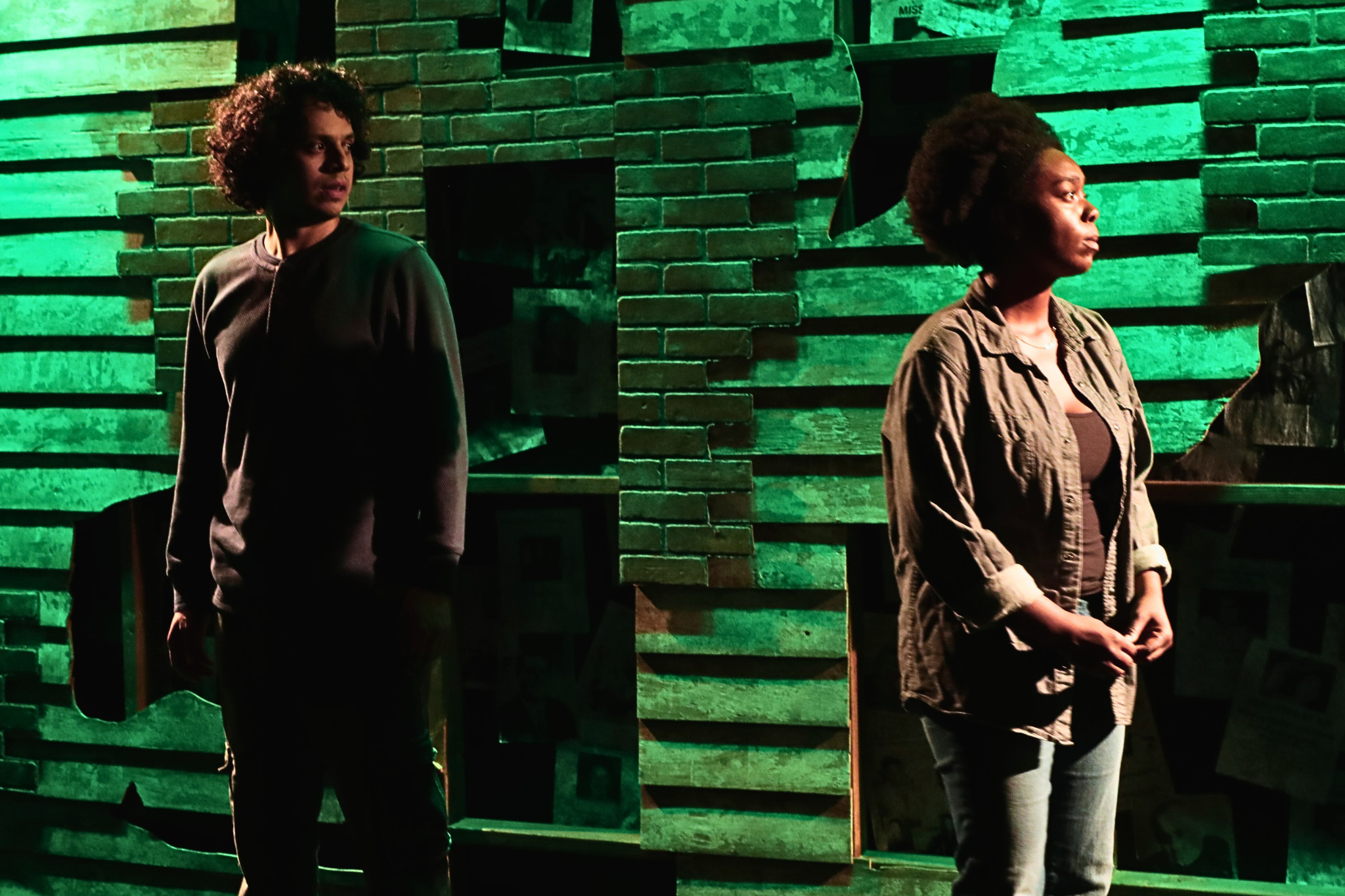
Spike Pulice and Vicky Yvonne star in “Sanctuary City,” pllaying at Chance Theater in Anaheim through June 7. (Photo by Doug Catiller)
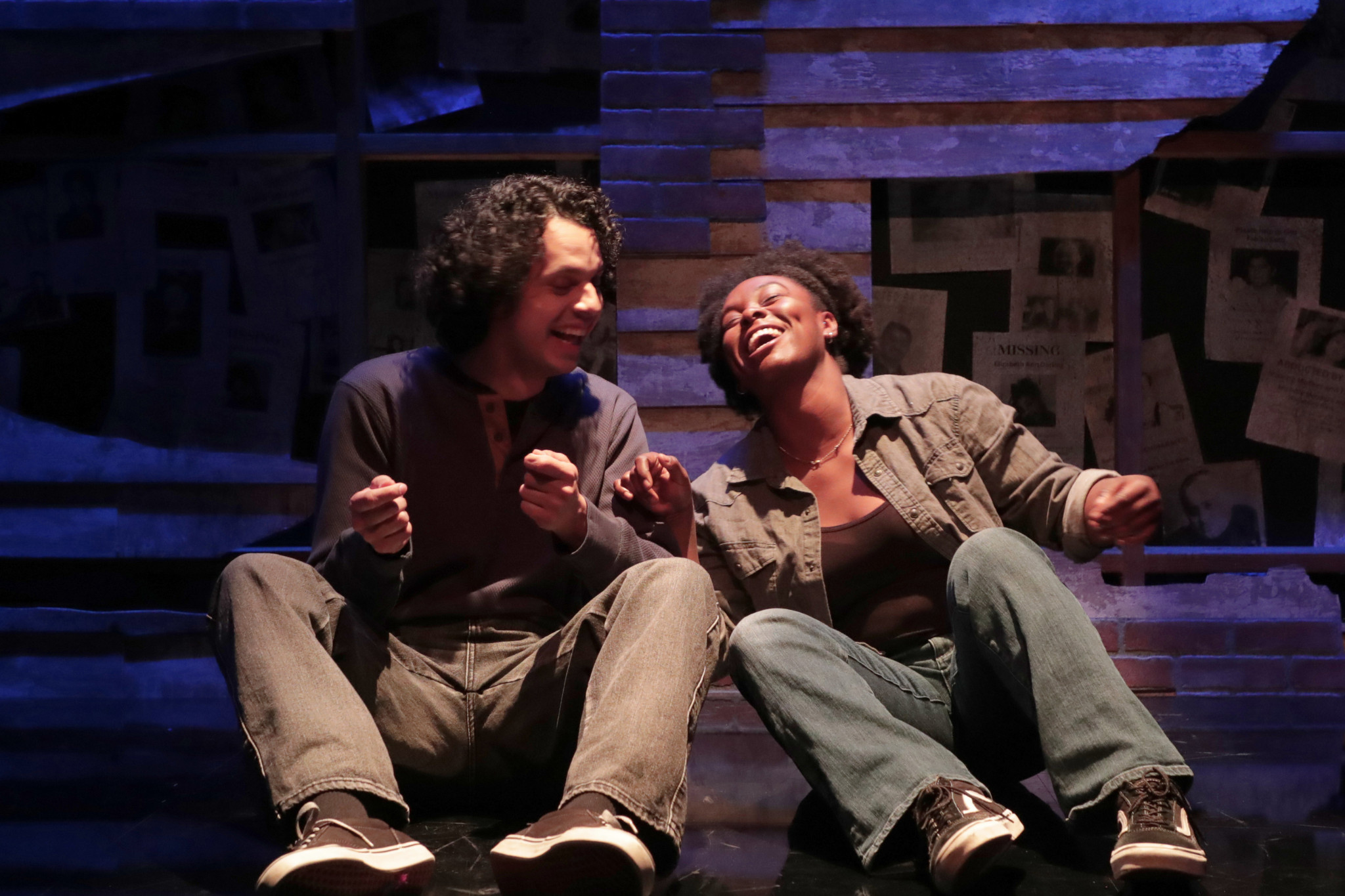
Spike Pulice and Vicky Yvonne star in “Sanctuary City,” pllaying at Chance Theater in Anaheim through June 7. (Photo by Doug Catiller)
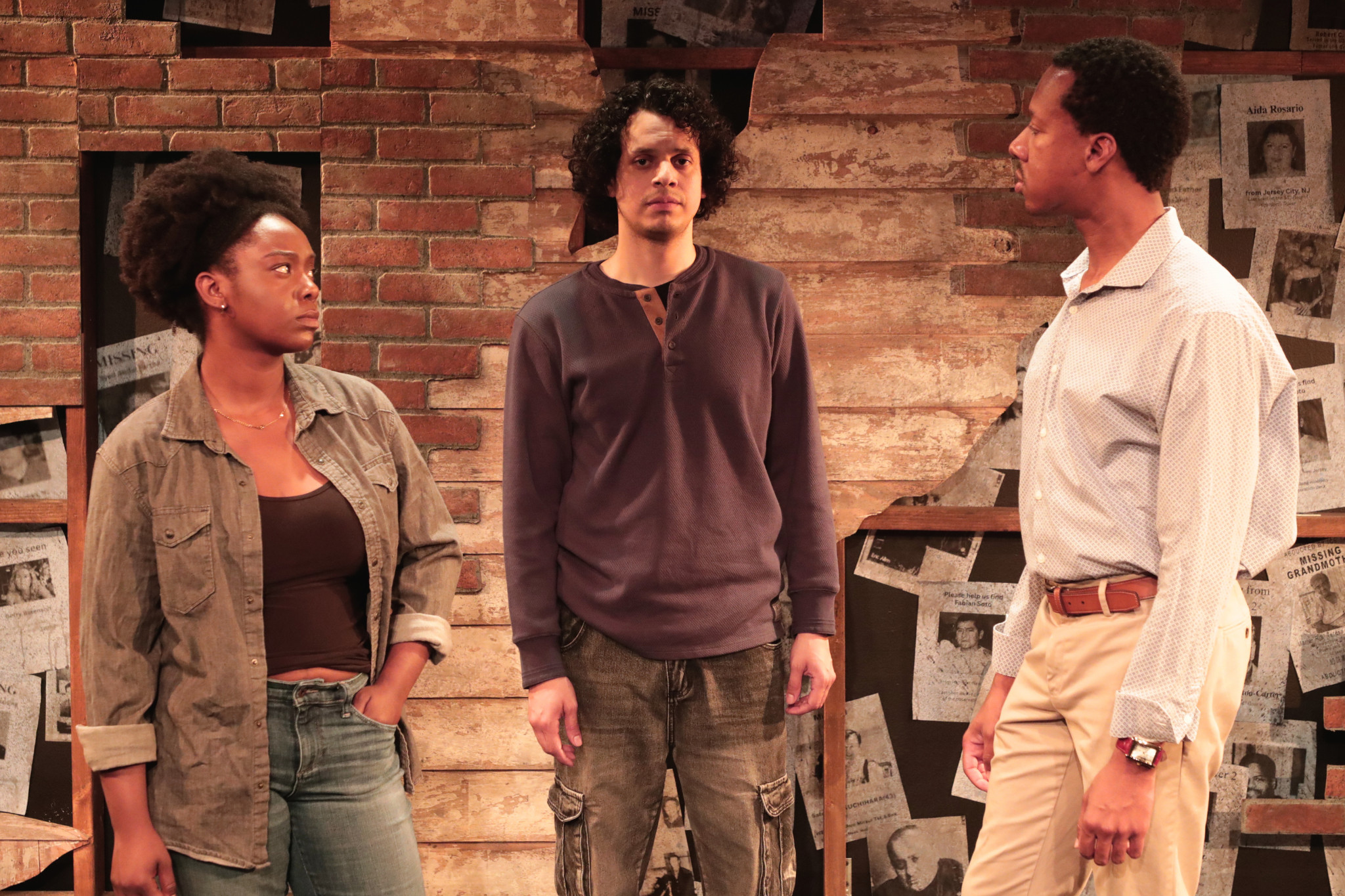
Vicky Yvonne, Spike Pulice, and Jonathan Keyes appear in a scene from “Sanctuary City” at Chance Theater in Anaheim. (Photo by Doug Catiller)
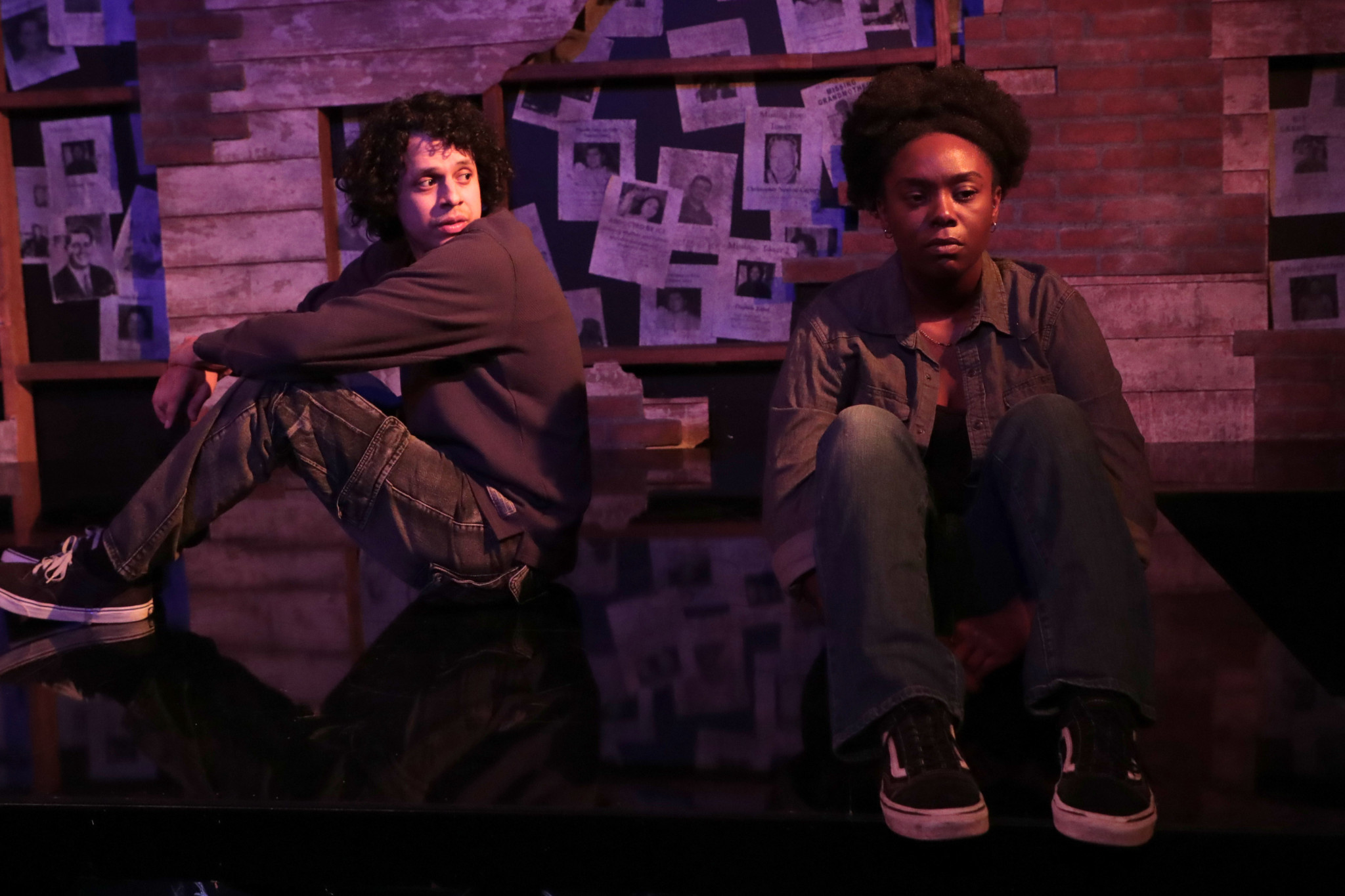
Spike Pulice and Vicky Yvonne star in “Sanctuary City,” pllaying at Chance Theater in Anaheim through June 7. (Photo by Doug Catiller)
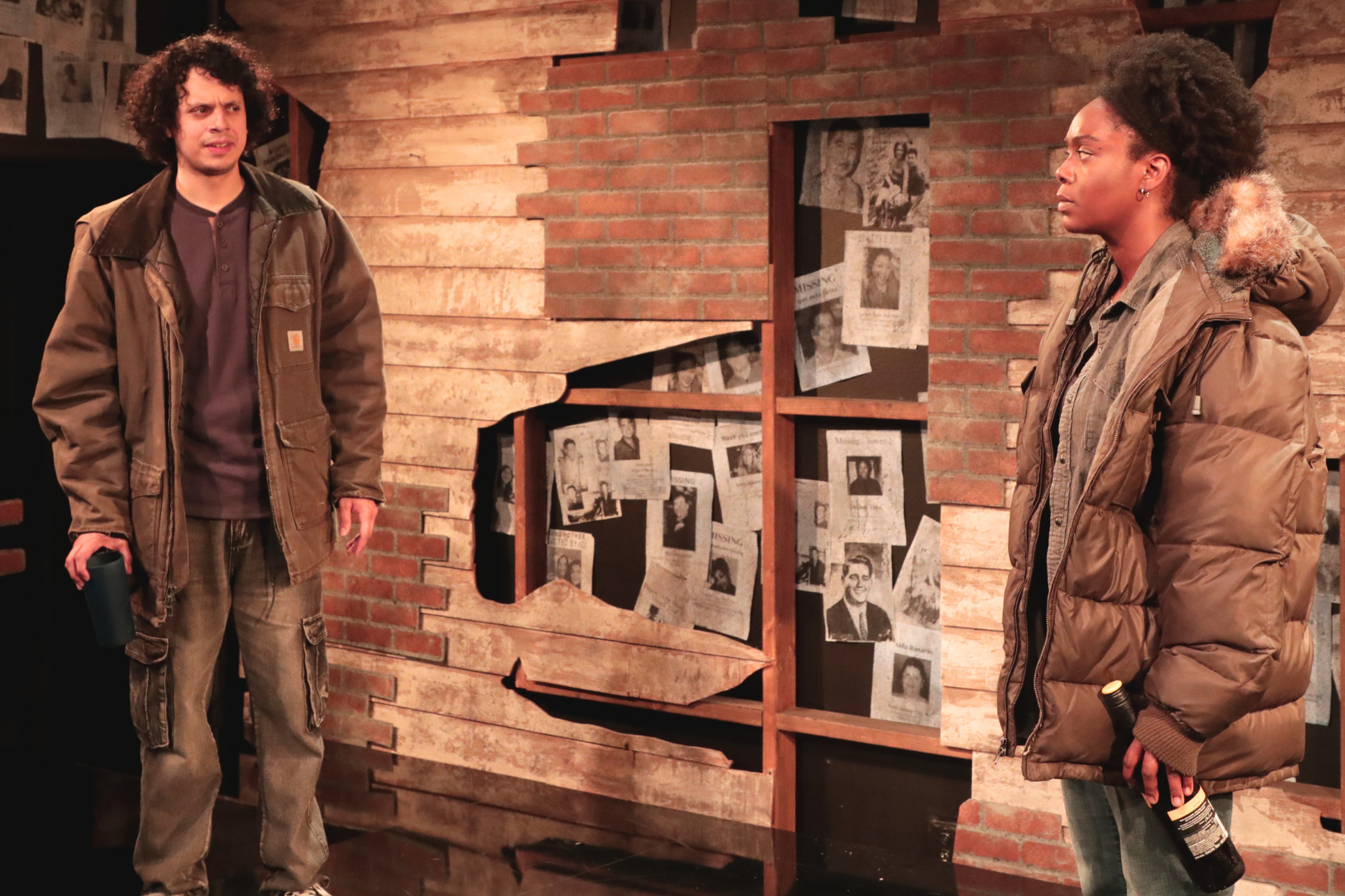
Spike Pulice and Vicky Yvonne star in “Sanctuary City,” pllaying at Chance Theater in Anaheim through June 7. (Photo by Doug Catiller)
Show Caption
1 of 6
Vicky Yvonne and Spike Pulice star in “Sanctuary City,” pllaying at Chance Theater in Anaheim through June 7. (Photo by Doug Catiller)
The play centers on two near adults called “G” and “B.” These truncated identities are likely emblematic of their nebulous official status.
The play begins with a forbidding thumping on a glass window outside a bare bones upstairs apartment where B lives a subsistence-level life with his mother.
He is startled awake, exhausted bewilderment and even fear on his face. It’s clear the specter of arresting authorities, even in a supposed city of sanctuary, could show anytime to deport them back to the unnamed, unfriendly country they fled.
Instead, it is his high school friend G who has crept up the fire escape. She also entered the United States with her mother and is also undocumented. They current live in an unsafe situation with an abusive man.
On this bitter, winter night G is searching for momentary shelter in B’s unheated apartment. This leads to communal warmth under the covers, though not in any romantic way, the sanctuary of companionship is what these two share.
The first half of the one-act play reveals evolving changes looming around the character’s lives.
B’s mother feels defeated and plans to return to her unspecified country of origin. This leaves B in limbo, ignoring his studies for a low-end working existence.
Meantime, we learn that G’s mother achieves citizenhood and G becomes naturalized. Good grades afford her a college opportunity as study in Boston beckons.
With resources still minimal, their bonds are challenged but remain. However, B and G are on prickly paths, figuring out sustainable lives ahead.
Ah, prickly.
Directors and actors undertaking “Sanctuary City” face a tricky story-telling structure. Majok sculpts the play’s first half for the director and actors to exist in a start/stop/repeat staccato rhythm of conversational interchanges.
These can last as little as a few seconds before the action on stage picks up only to briefly pause again. This happens repeatedly over the show’s first 45 minutes.
This microburst pattern often repeats dialogue in slightly shifting variations, the story proceeding along in a choppy cadence.
It’s a storytelling device intended to underscore a thematic point. It reinforces to the audience that the characters’ fragmented path continually exists in a fractured limbo, their institutional non-status stressing the fabrics of their very lives.
In Chance’s presentation, the actors freeze in place during these intervals as lights briefly blink out, replaced with muted fluorescent-like illumination.
These are accompanied by jarring, discordant music tone outbursts accented with a vexing metallic buzz.
Unproductively, in the confines of the smaller-scale Fyda-Mar stage, the discordant sensory barrage director Oanh Nguyen brings to bear landed on at least one theatergoer as an agitated, irritating distraction.
It’s like some aural and visual fly that needs, but refuses to be, swatted away.
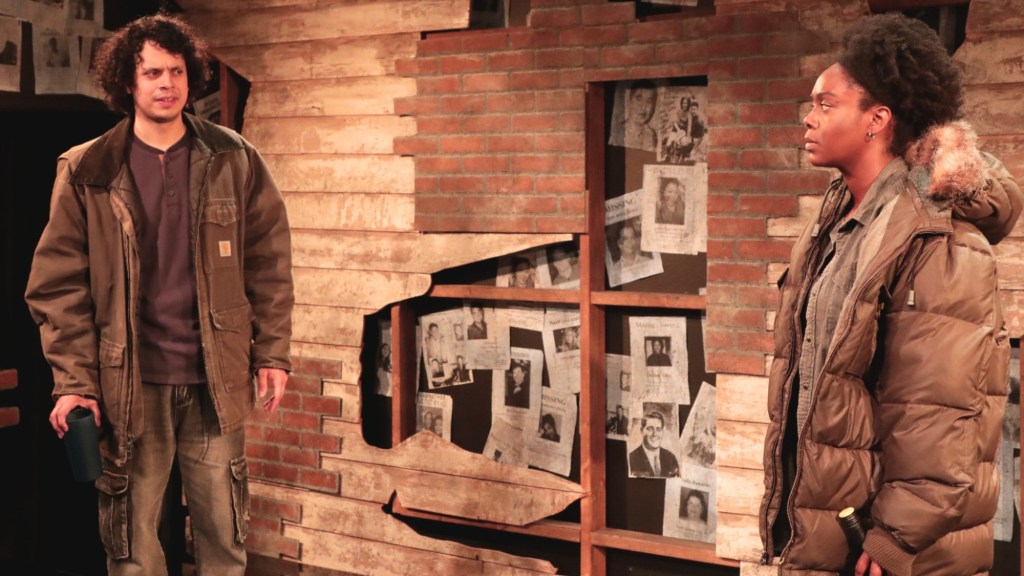
This doesn’t, however, diminish the impactful presences of the principal actors, Chance newcomers Spike Pulice, as vulnerable B, and Vicky Yvonne as hesitant G.
They excel at hitting their repeatedly tightly timed marks and conveying their characters’ yearnings and despairs.
Overall, Nguyen and his actors have developed well thought out characterizations. The actors’ muted facial responses reflect the inner struggles in untenable circumstances of these young lives.
Another virtue is the work of Fred Kinney and Mio Okada-Nunez, who share the production’s scenic design credit. The bare stage’s back wall, extending overhead to the ceiling, is an effective mosaic of dull brick and sporadic rough-hewn boarding, with occasional “missing persons” fliers caulking in empty spaces.
The play’s second part reverts to realistic exposition. Three years have passed. The two characters have kept intermittent contact, but a torturous plan that might lead to citizenship for B has withered due to their separate paths as well as the second life he is secretly undertaking.
G returns to the Newark apartment to try and reconcile their communal status, but it leads to her confrontation with next choices.
Entering the picture is a third character named Henry. Played by actor Jonathan Keyes, Henry — fully named, likely because his citizenship is never at issue — has goals for B that don’t include G.
A dilemma takes charge. Emotional complexities well up, and a confrontation ensues. And at play’s end B faces staying marooned in the netherworld of what he wants his life to be versus how his options to pursue possibilities have been thwarted by his non-person status.
As the play reminds us, finding sanctuaries of many kinds in these times can be very difficult to achieve.
‘Sanctuary City’
Rating: 3 stars (out of 4 possible)
When: Through June 7. 8 p.m. Fridays, 3 and 8 p.m. Saturdays, 3 p.m. Sundays.
Where: Chance Theater, Fyda-Mar Stage, 5522 E. La Palma Ave., Anaheim
Tickets: $48
Information: 888-455-4212; chancetheater.com